
Kyushu, the southern island of Japan, is a perfect place to chase cherry blossoms: it warms up early, it is full of hot spring towns, quiet shrines and volcanic scenery, and it is far less crowded than Tokyo or Kyoto. This guide follows a week-long loop from Yufuin and Beppu in the north-east, through Kurume, Sasebo and Kumamoto, down to Kirishima and Kagoshima in the south. It covers what to see, how to get around, what to pack and how to stay safe.
🌍 Why Visit Kyushu Now?
Early April is cherry blossom time in much of Kyushu. Petals fall onto parks, riverbanks and shrine paths, locals picnic under the trees and the weather is mild. The exact bloom dates change every year, so check the forecast from the Japan Meteorological Corporation or the Japan National Tourism Organization before you book. Even when the blossoms are over, the island’s onsen towns, forests and volcanoes are good for travel all year.
♨️ Yufuin and Beppu — Hot Spring Towns
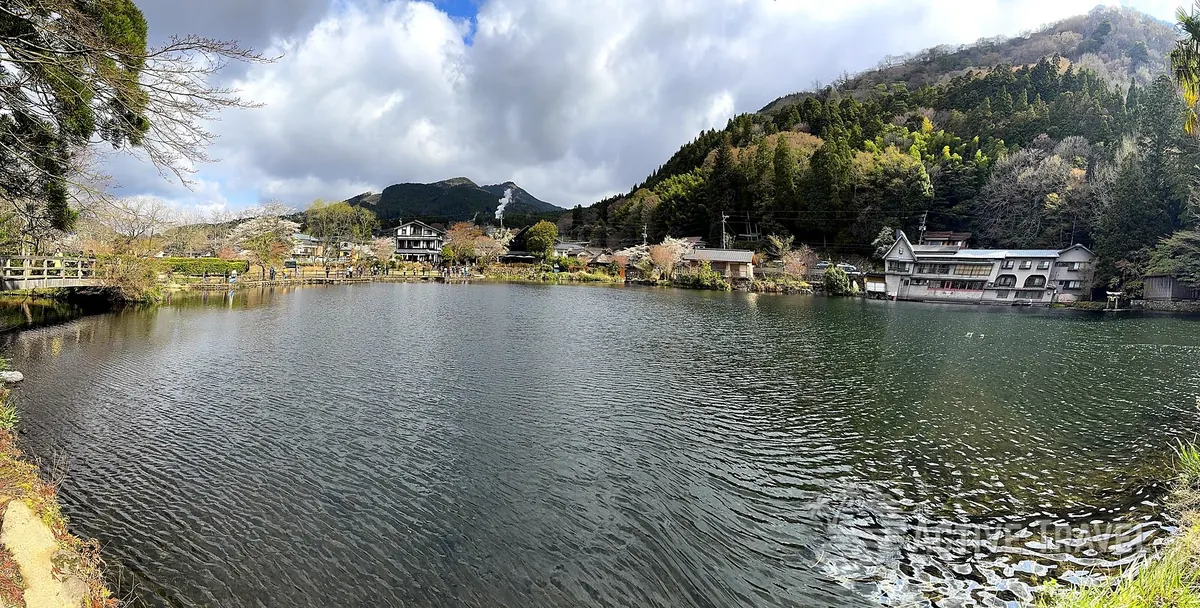
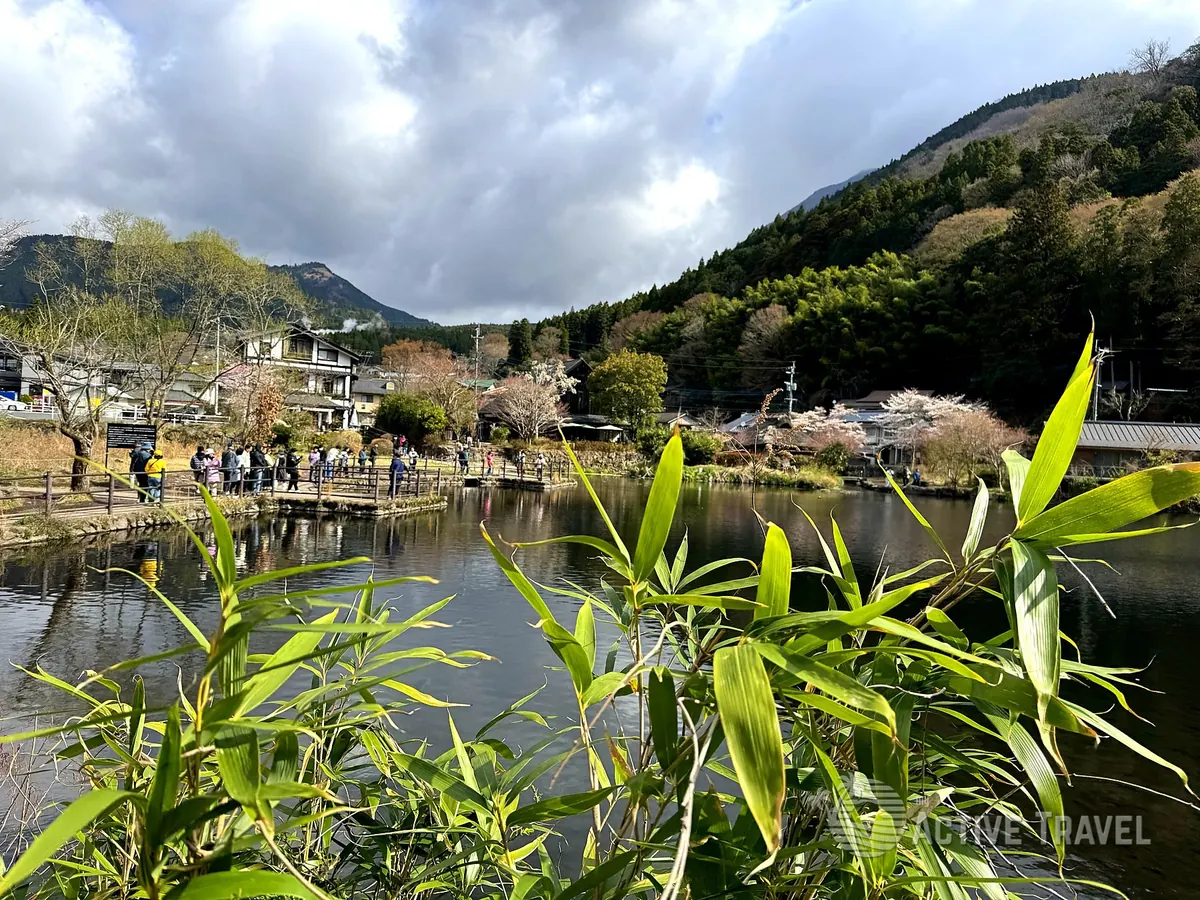
Yufuin is a small town in a green valley in Oita Prefecture, known for its lake, its craft shops and its hot springs. Lake Kinrin is an easy, flat walk from the centre, with bamboo along the shore and hills behind. Mist often rises from the water on cool mornings, so go early if you want the best light.
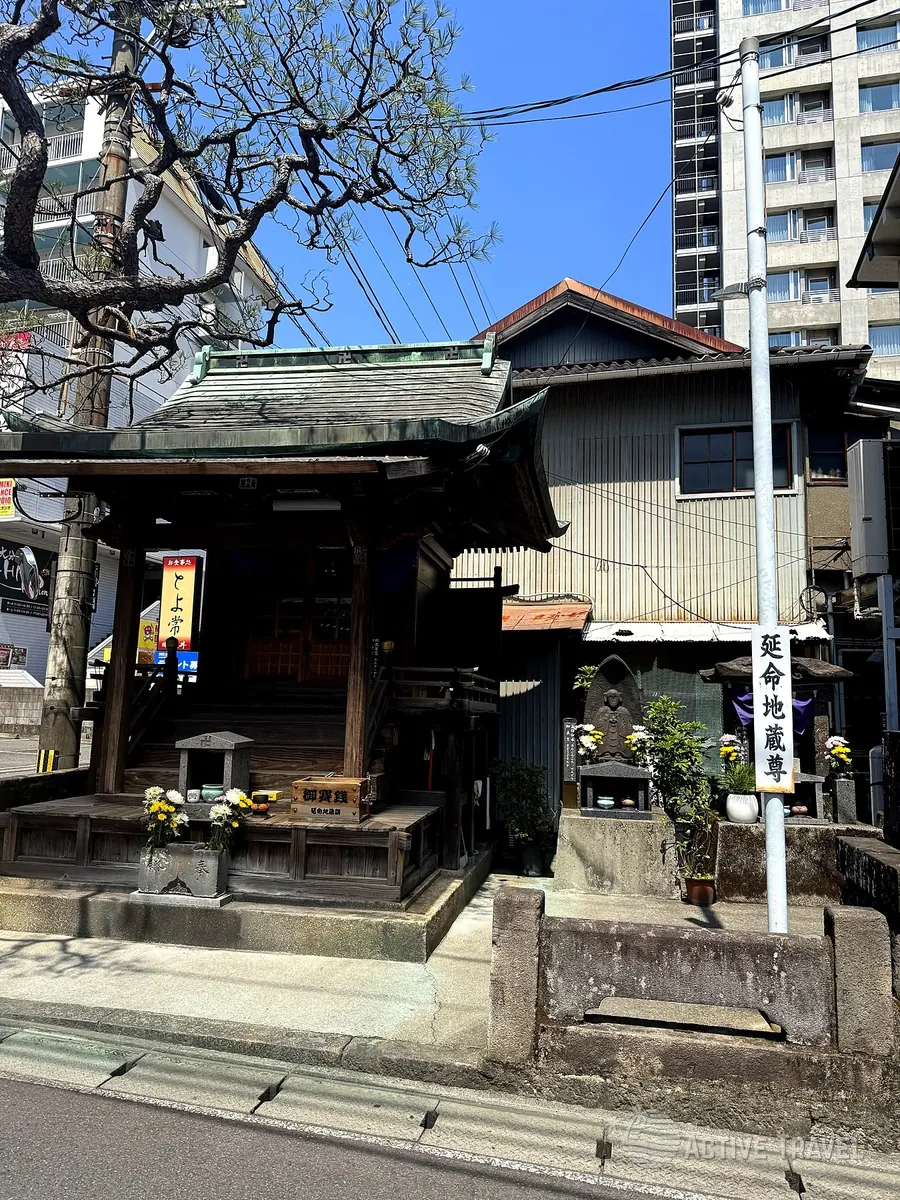
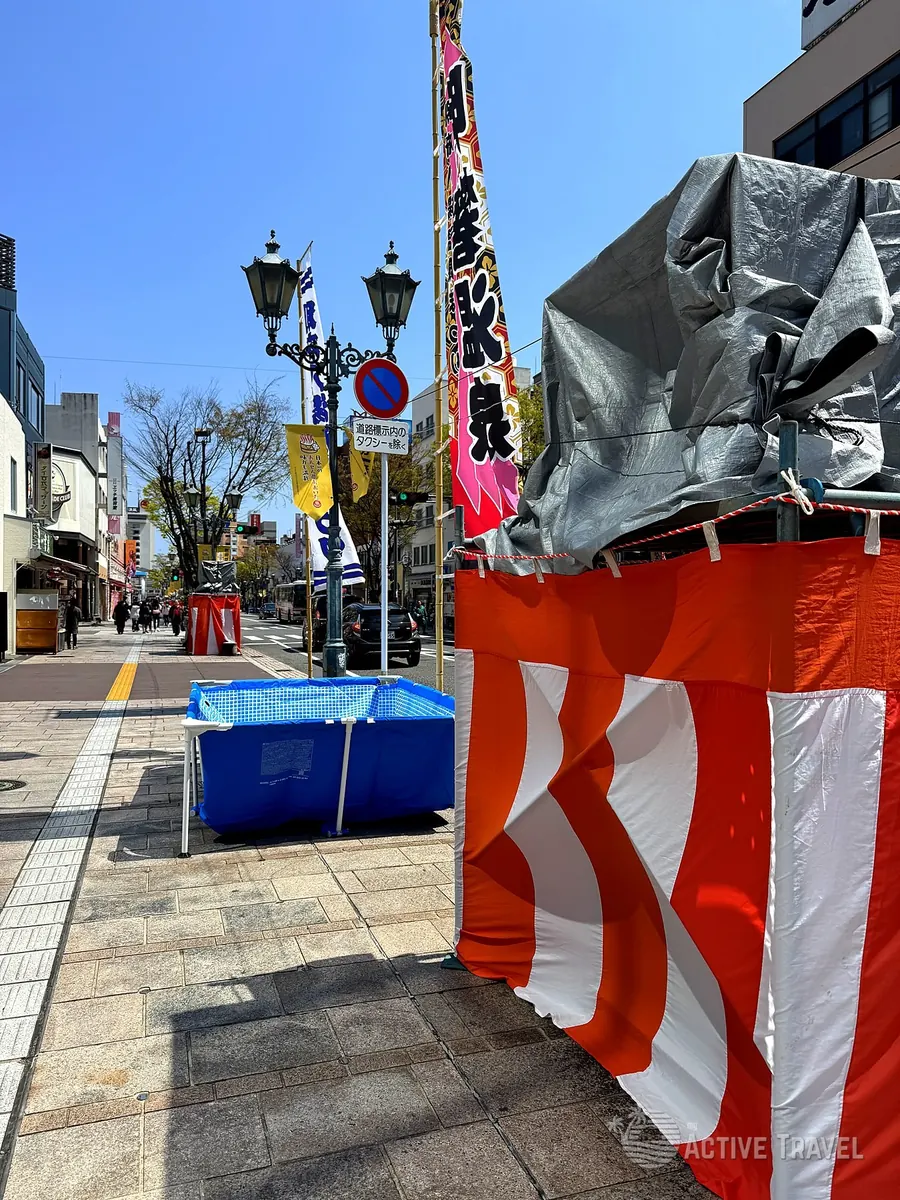
Beppu is a short ride away and is one of Japan’s best-known hot spring cities. Steam rises from vents all over town, and the streets mix small shrines, old wooden buildings and shopping arcades. Look for banners and stalls during local festivals, and ask your hotel which public baths welcome visitors.
🌸 Kurume and Sasebo — Blossoms and City Shrines
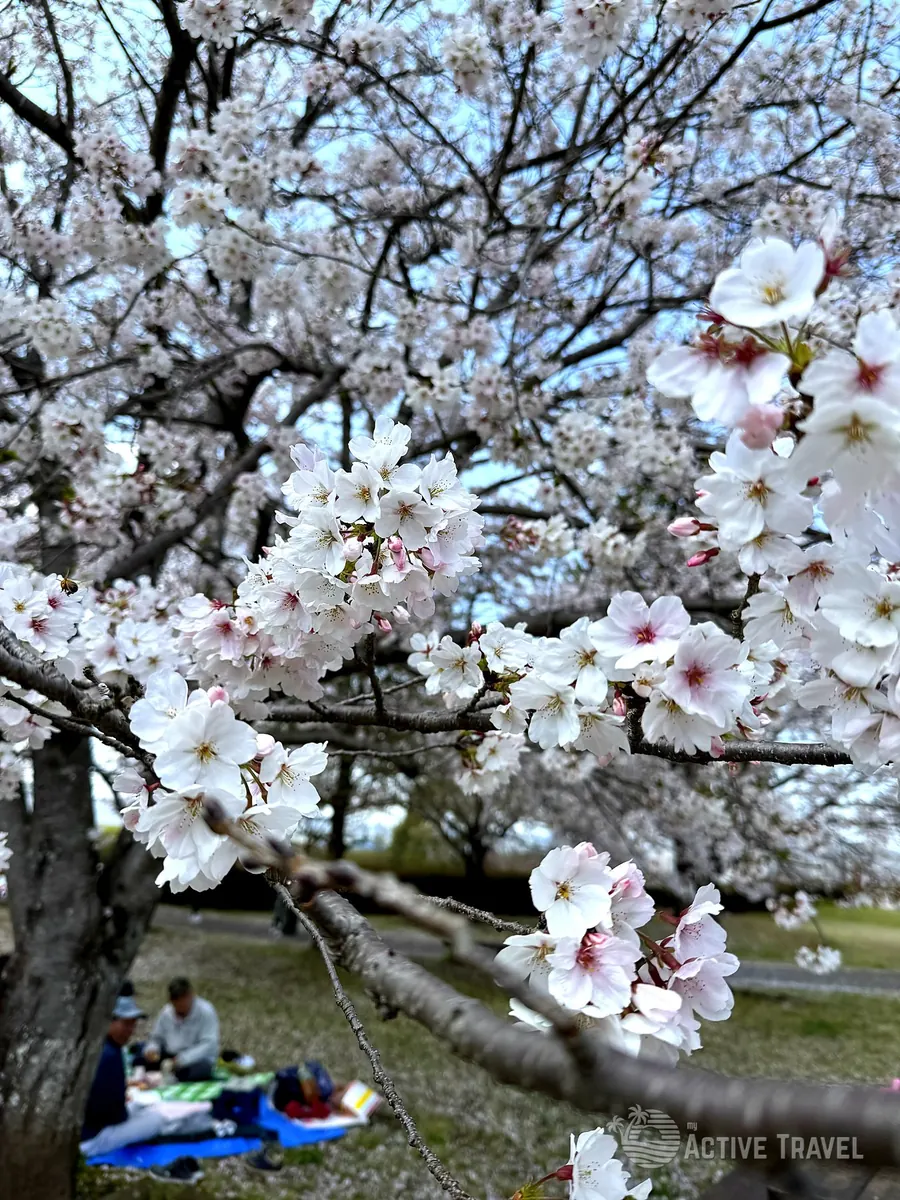
Heading west, Kurume in Fukuoka Prefecture is an easy stop for a blossom walk. Old cherry trees line a city park, and paper lanterns hang from the branches. Nearby, small shrines sit between modern buildings, a reminder that in Japan the sacred and the everyday often share a street.
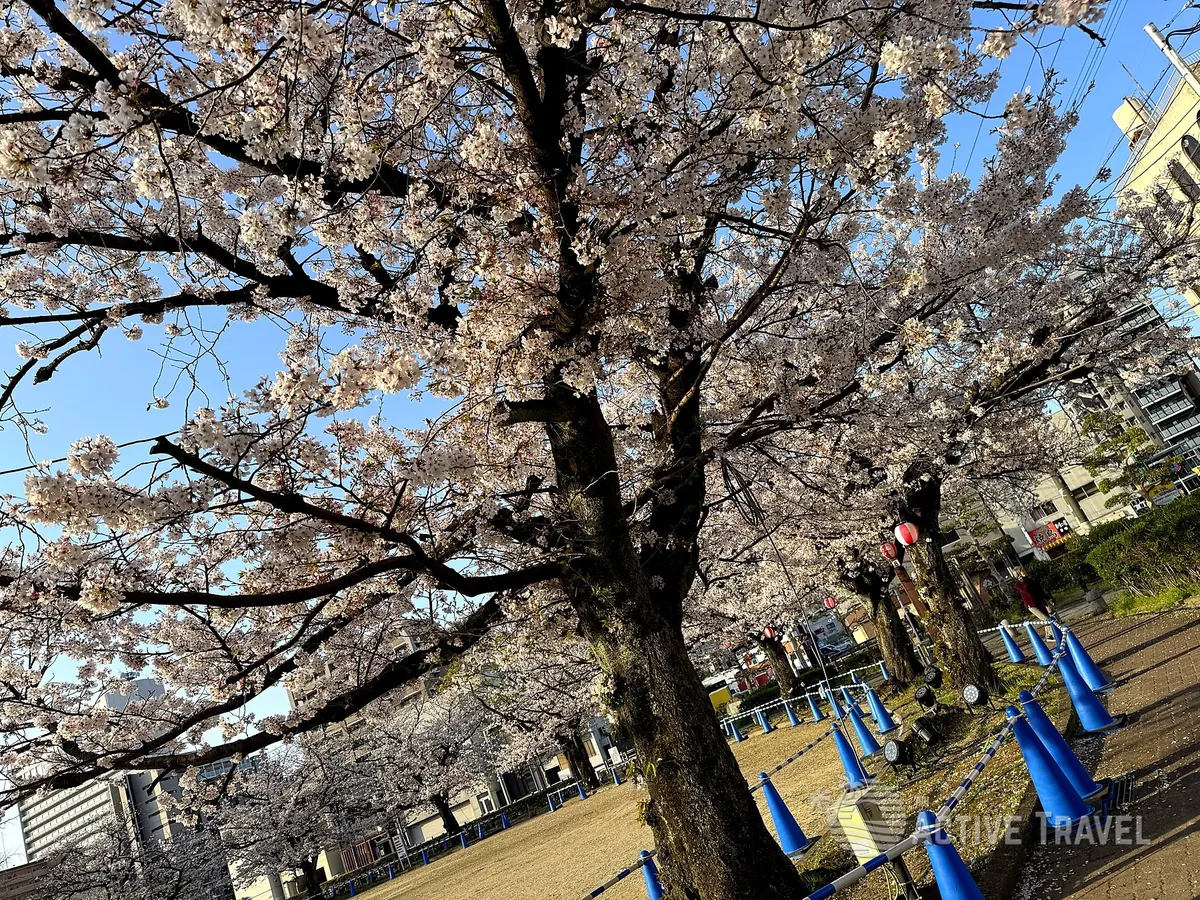
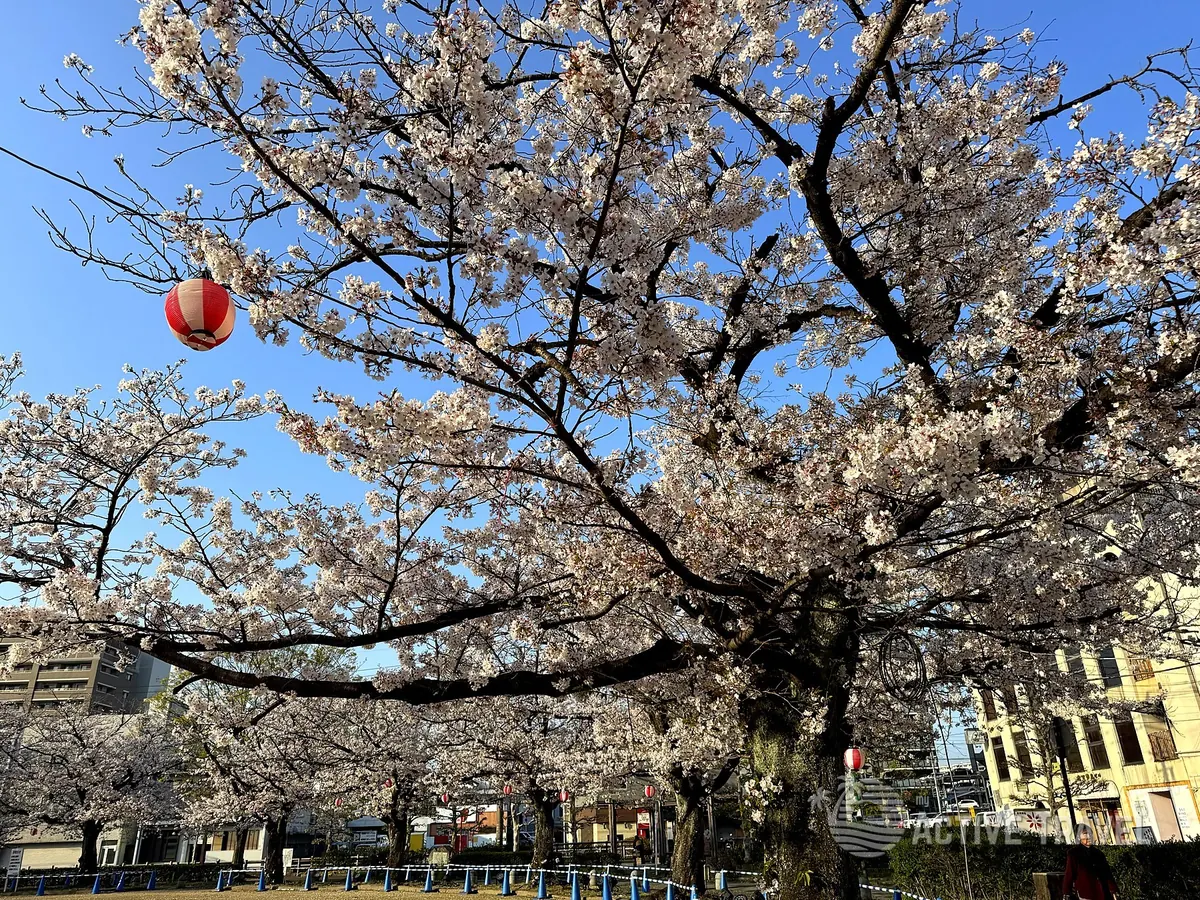
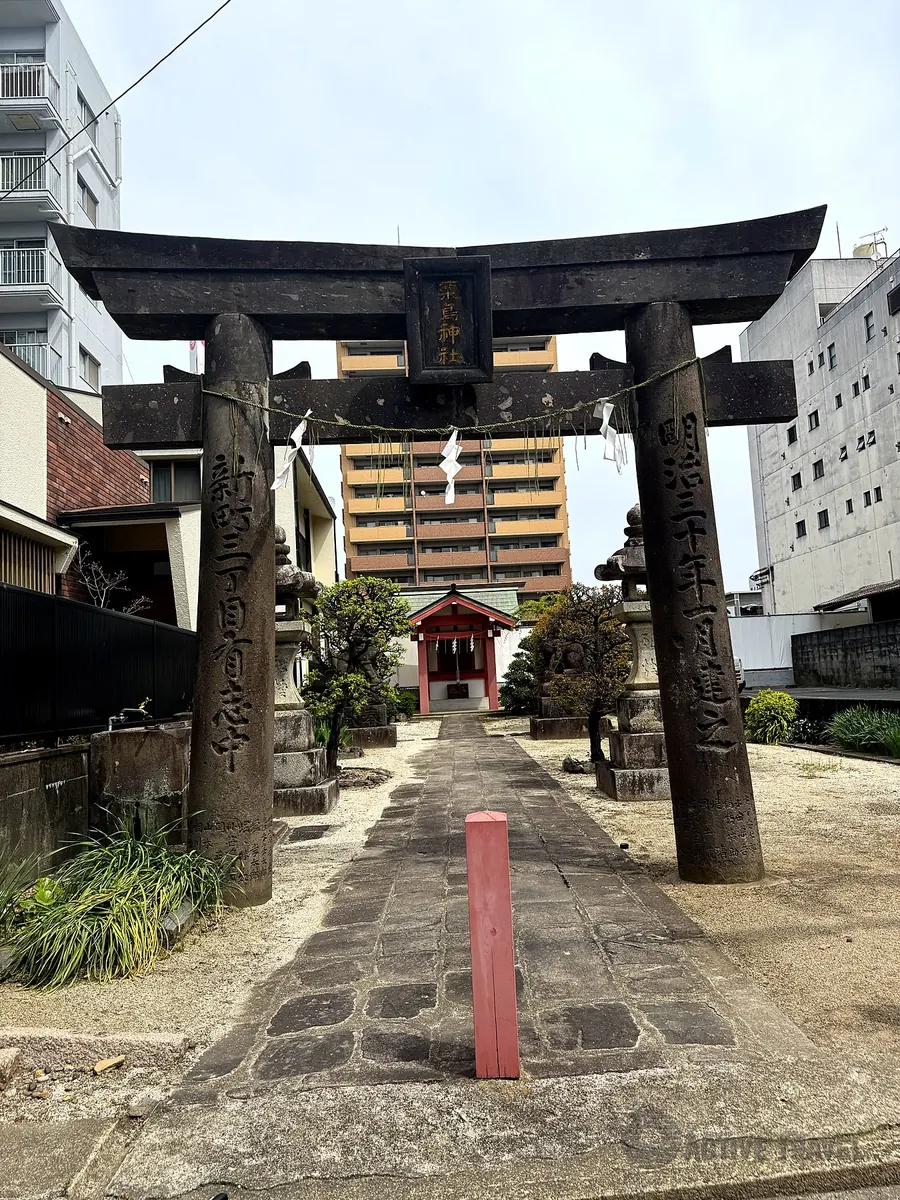
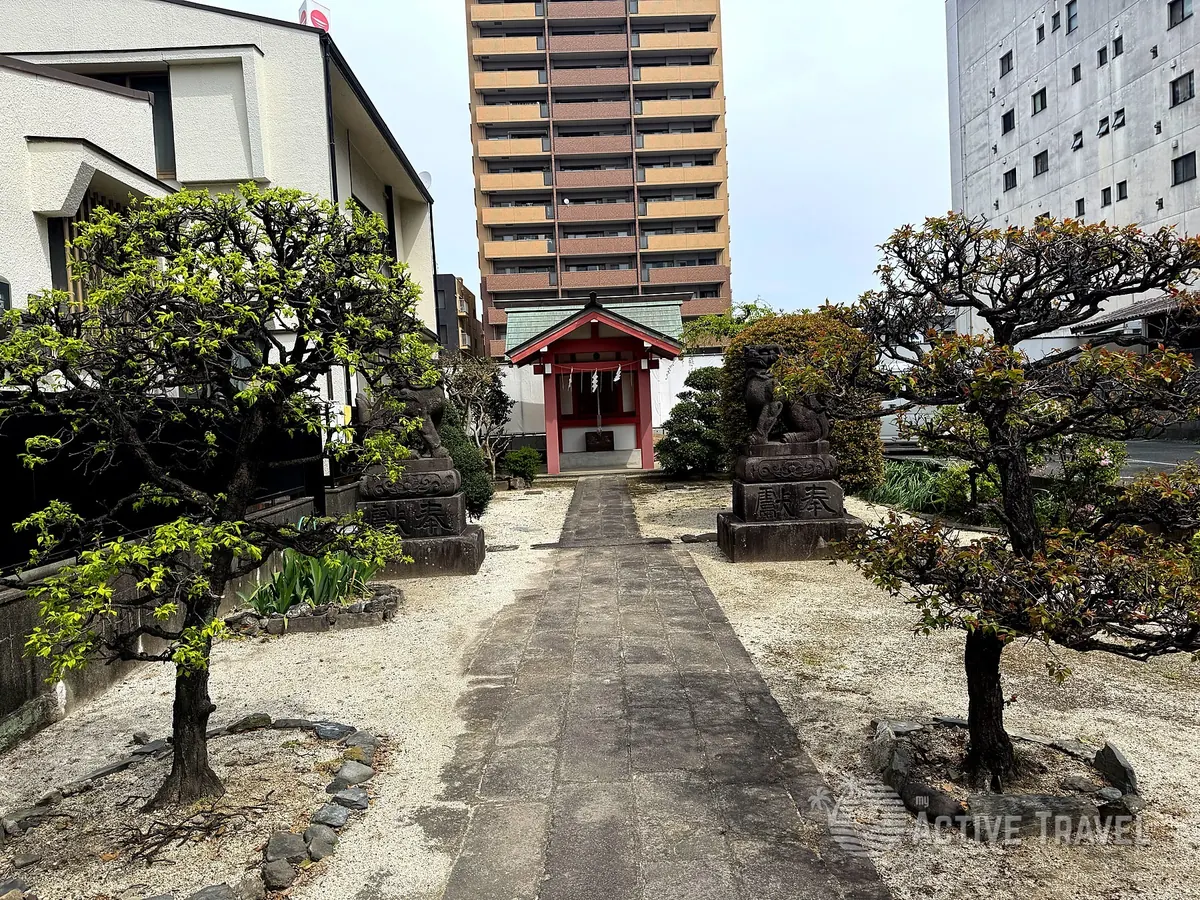
Further west, in Sasebo in Nagasaki Prefecture, cherry branches hang low over grassy banks, which makes it a relaxed spot for a picnic. Bring a mat and some snacks, as locals do.
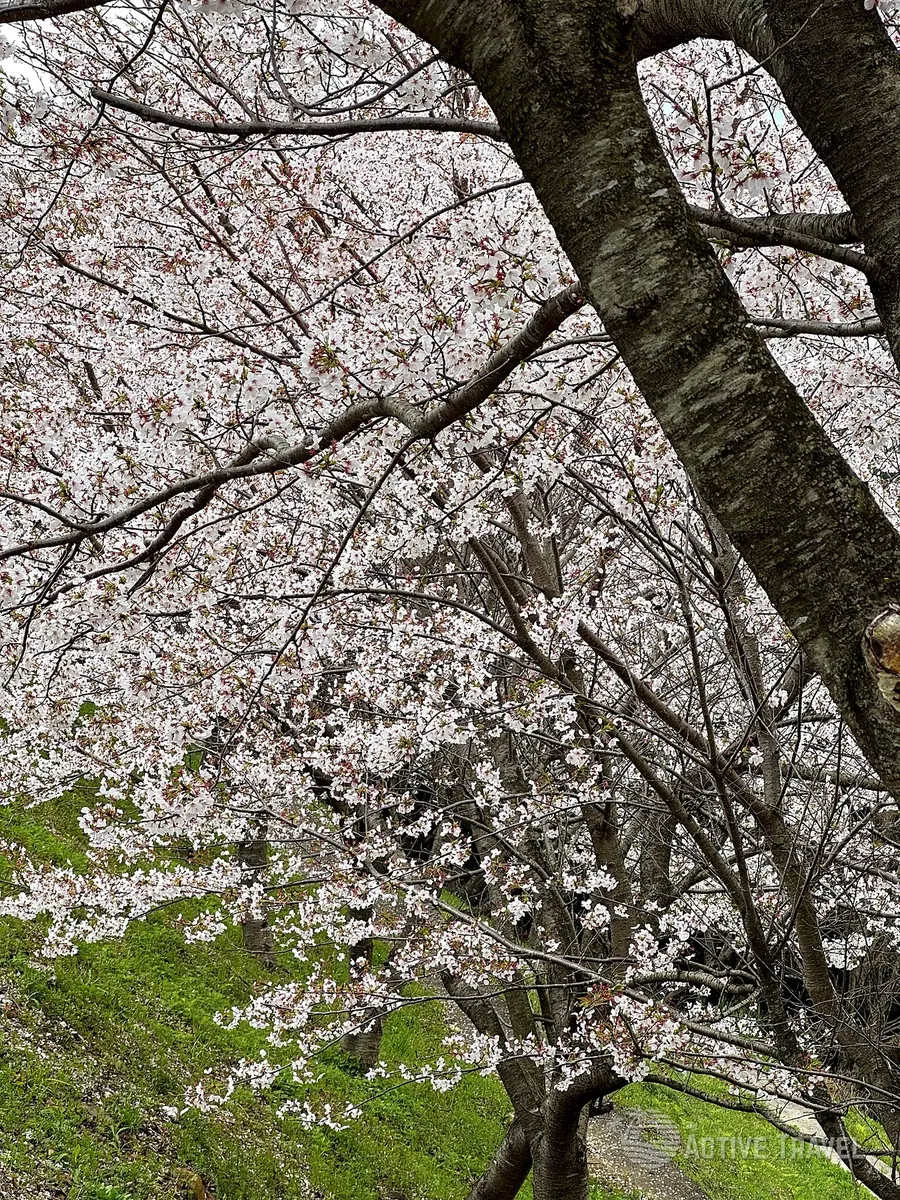
🏯 Kumamoto — Forest Trails and Hillside Shrines
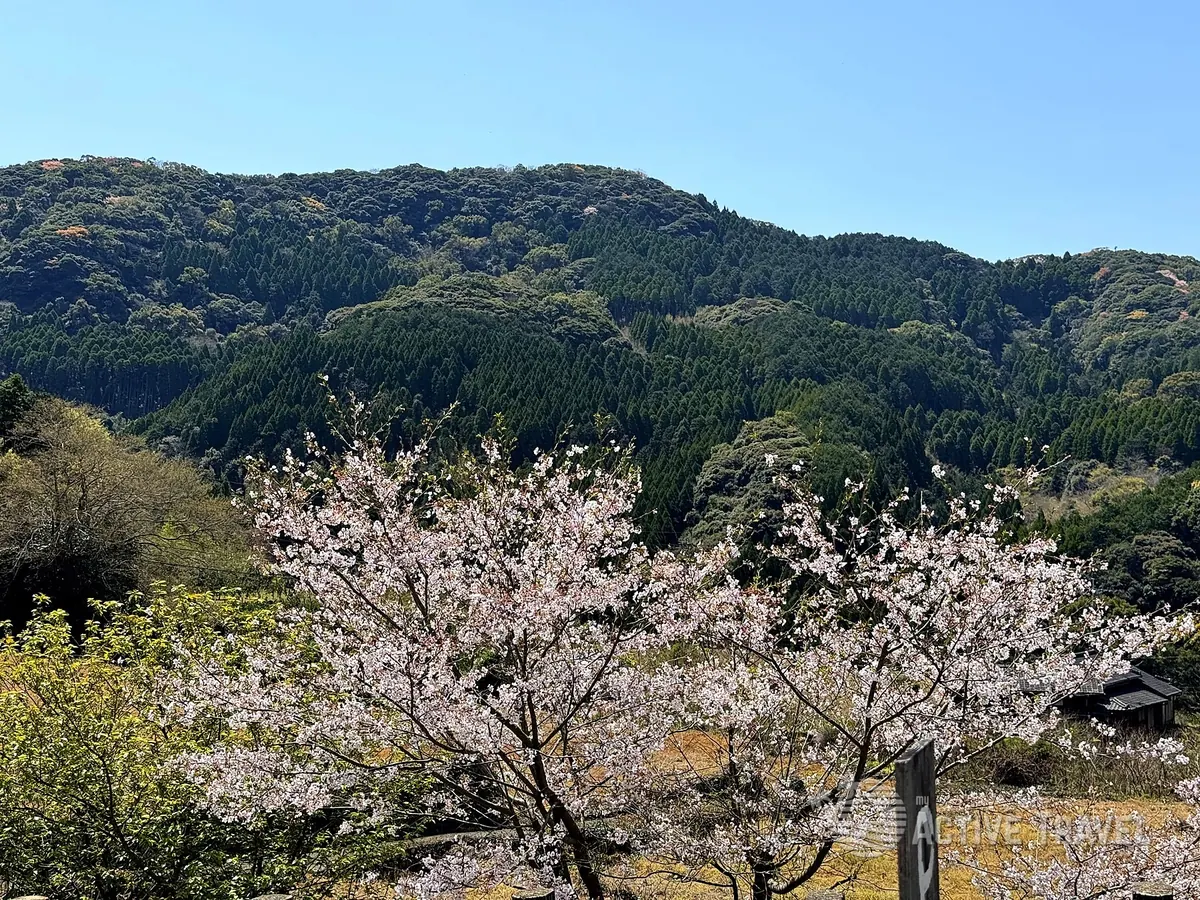
Around Kumamoto the scenery turns green and hilly. Blossoms frame the wooded slopes, and quiet trails lead through tall cedar forest.
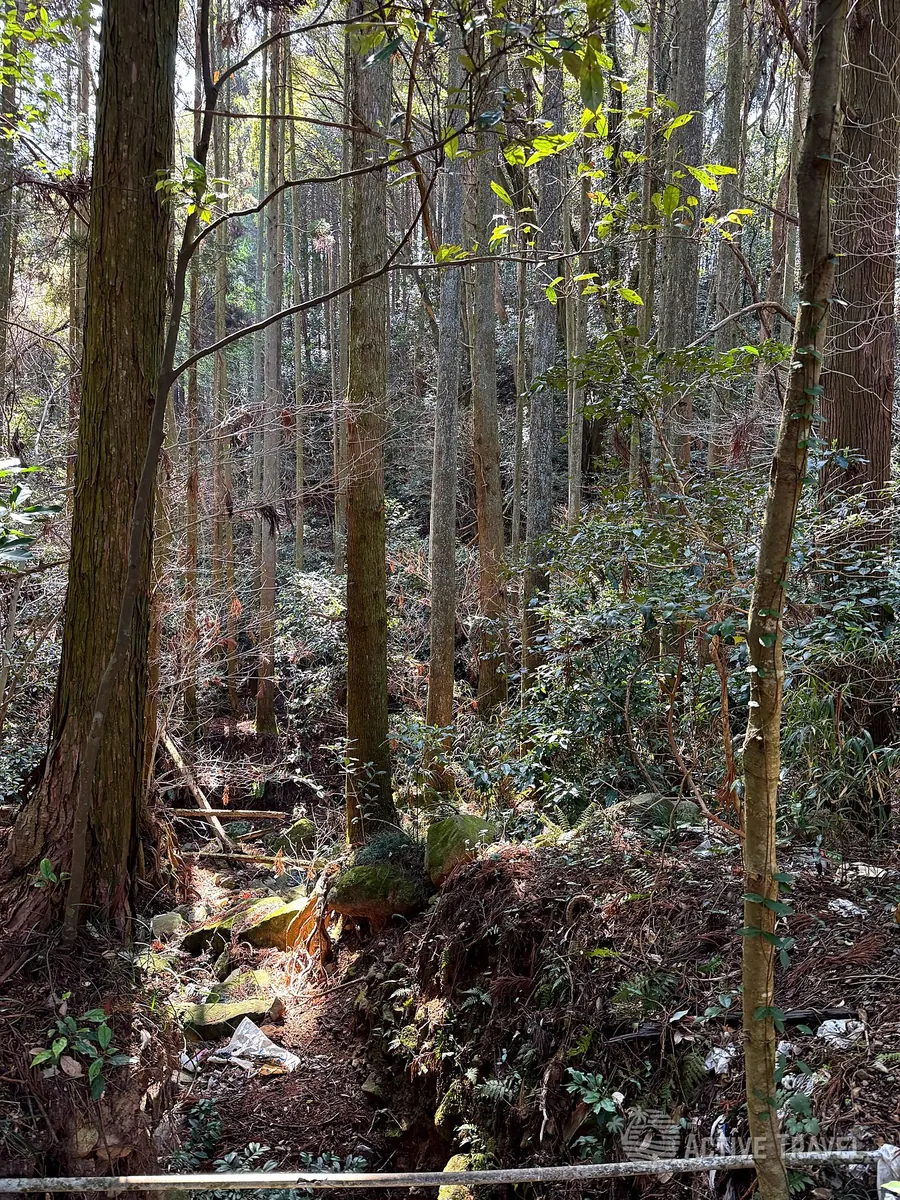
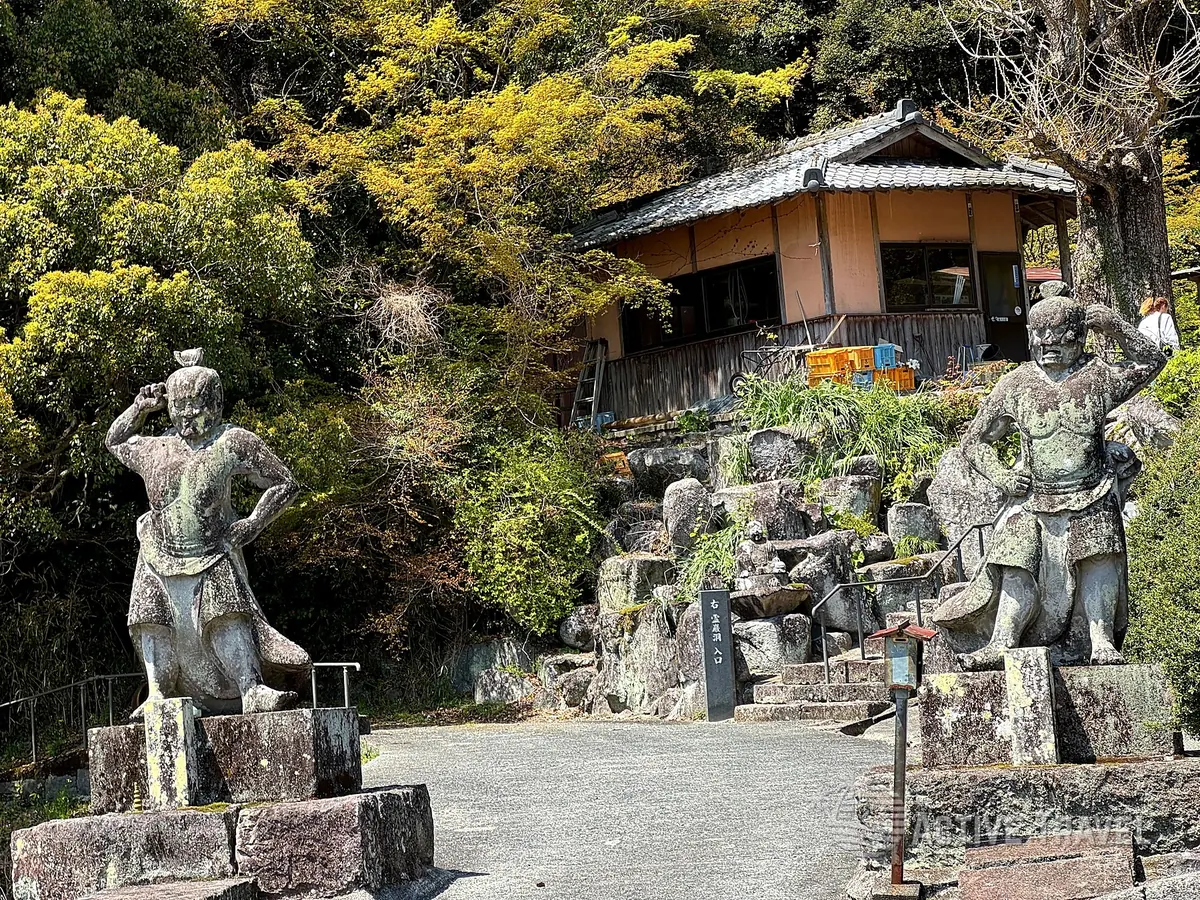
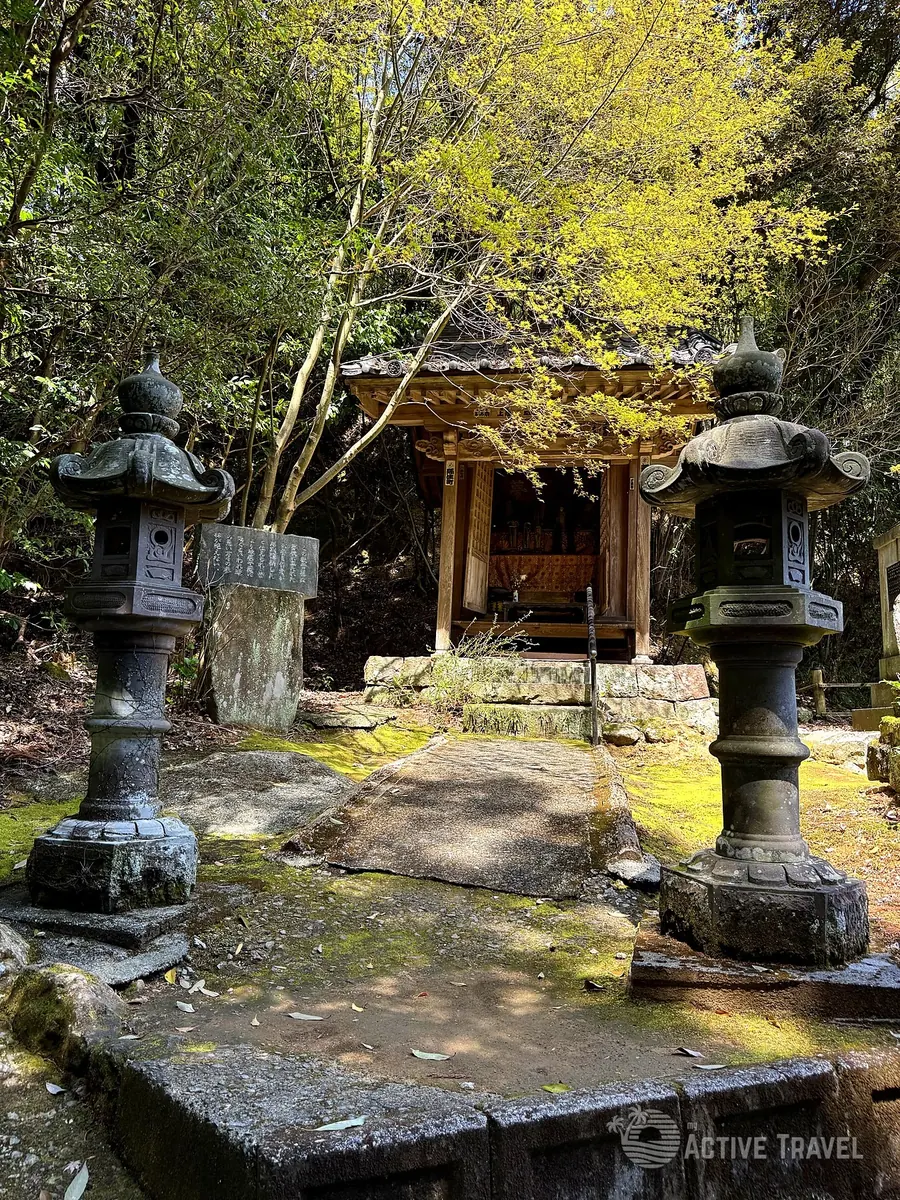
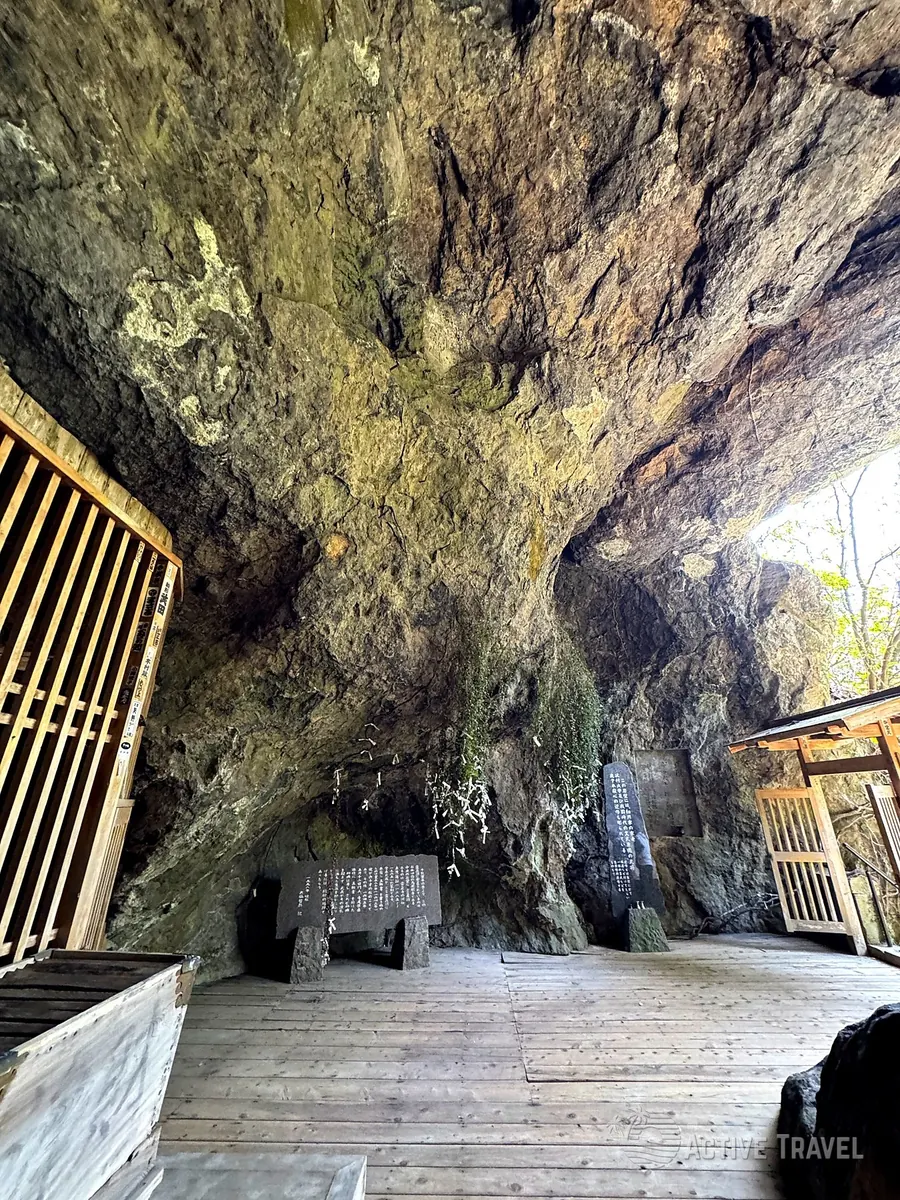
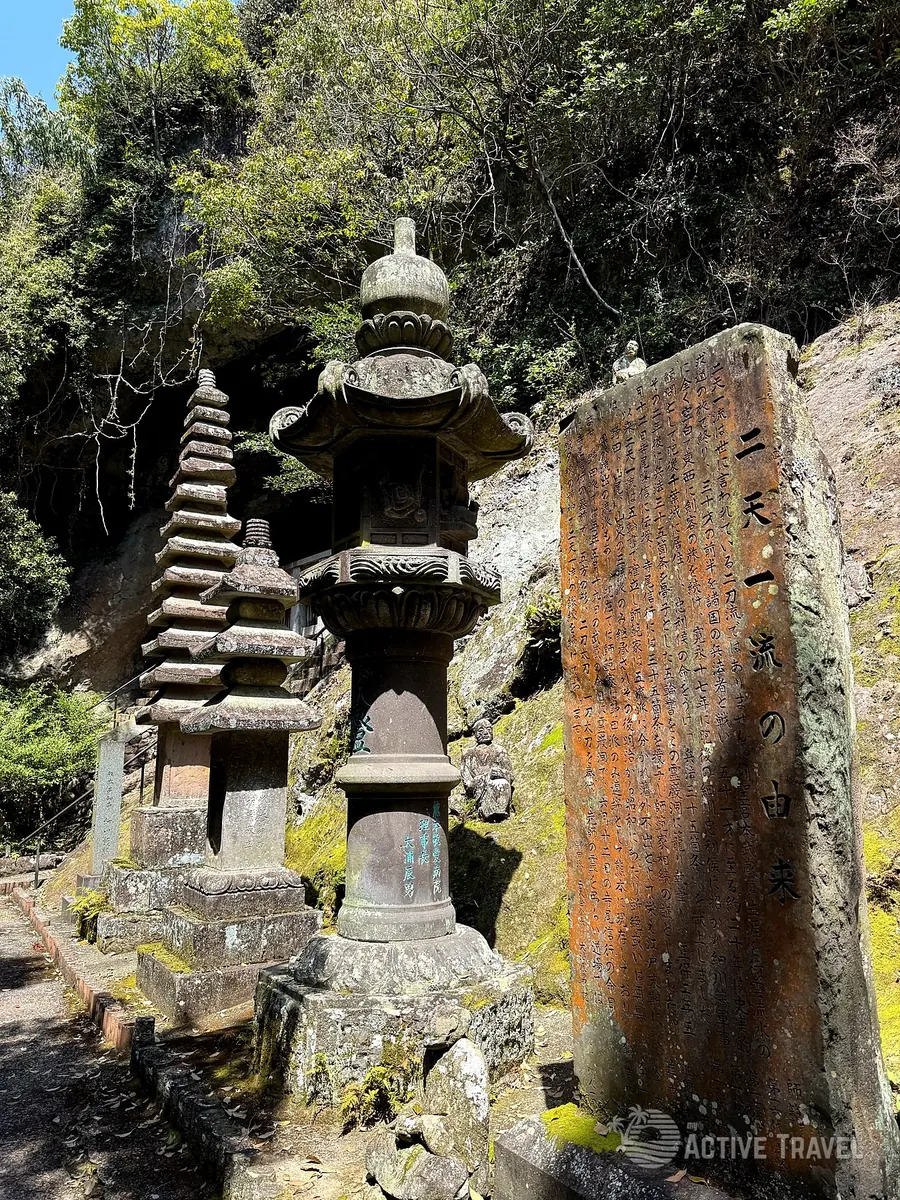
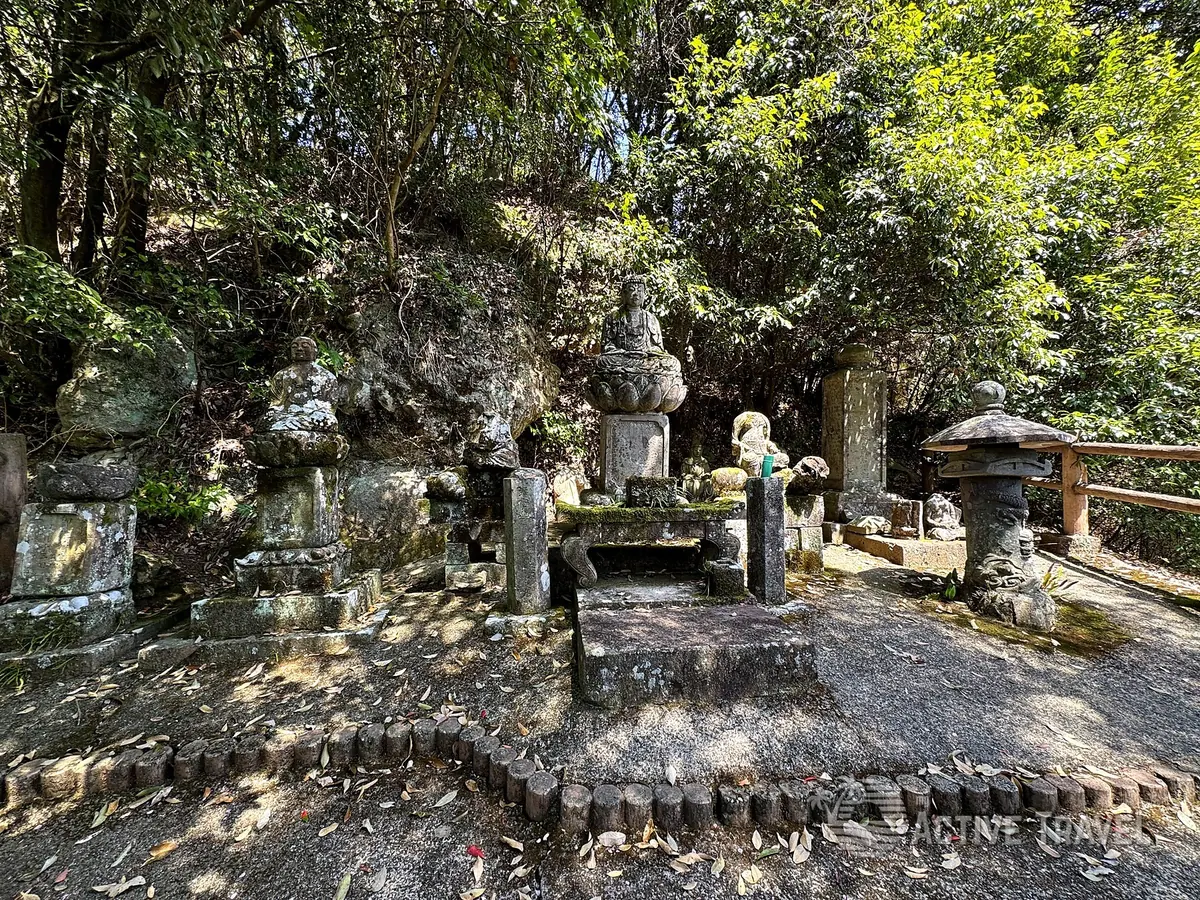
On the hills west of the city, a shrine complex with old stone statues, moss-covered lanterns and a rock overhang rewards a slow walk. Take care on the steps, which can be slippery after rain.
🌋 Kirishima and Kagoshima — Black Pots and the Bay
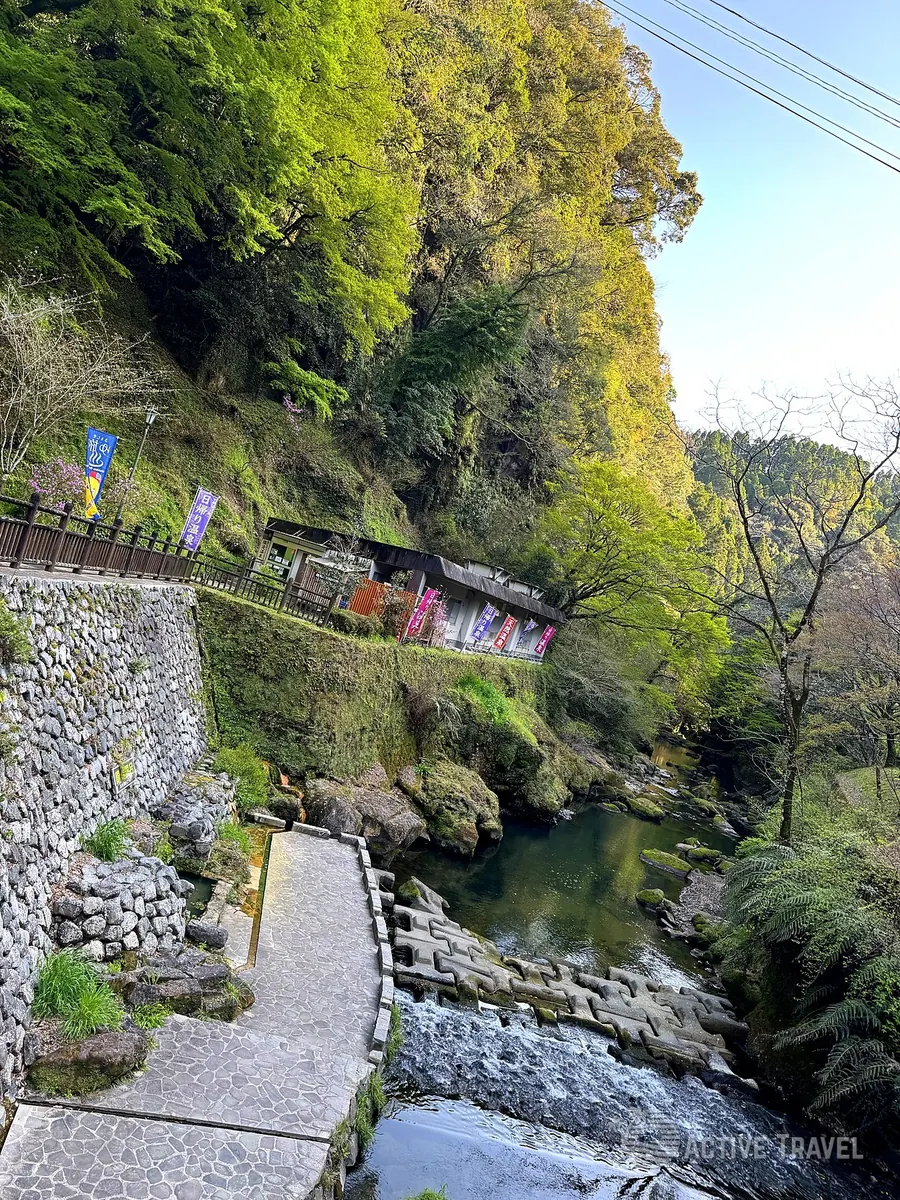
In the south, Kirishima in Kagoshima Prefecture is volcano country. A stone path follows a stream below a forested cliff, a good place to cool off on a warm day.
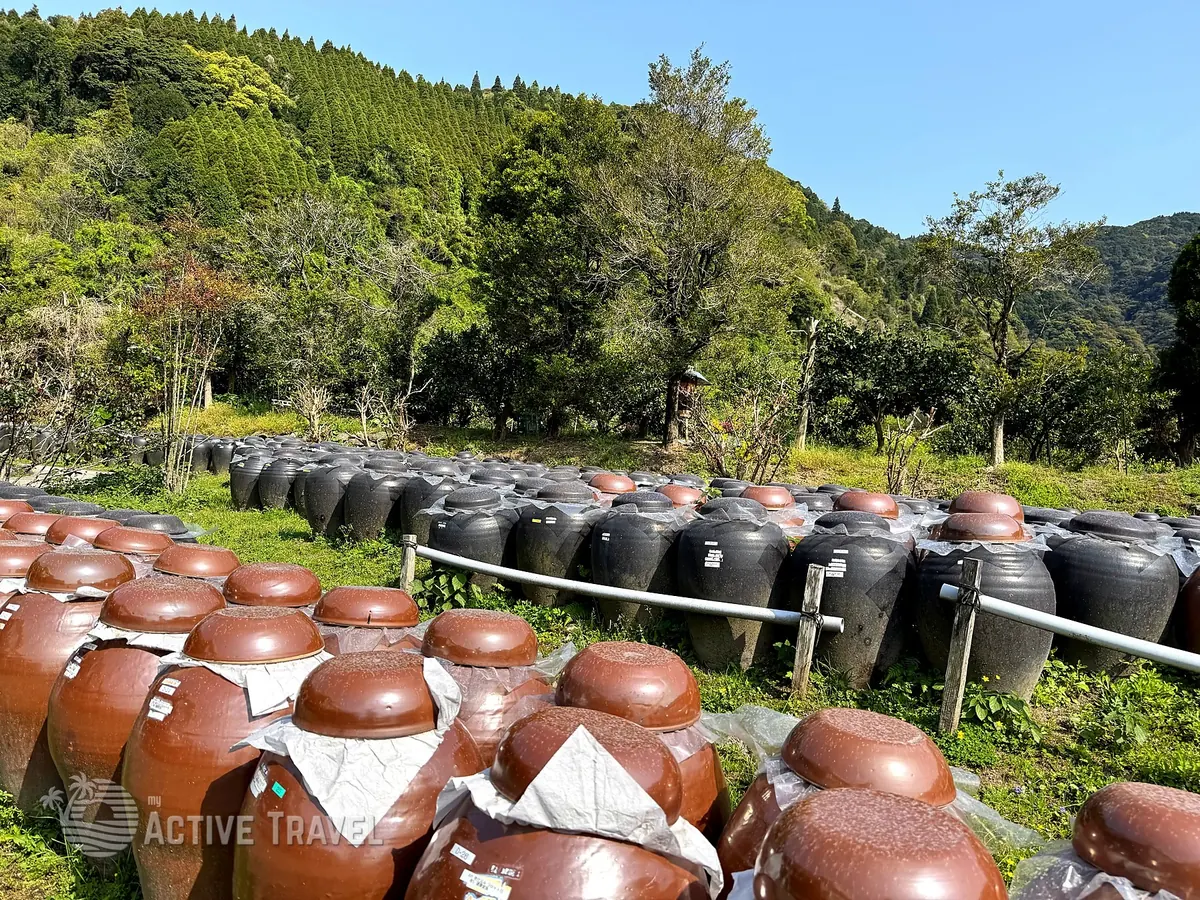
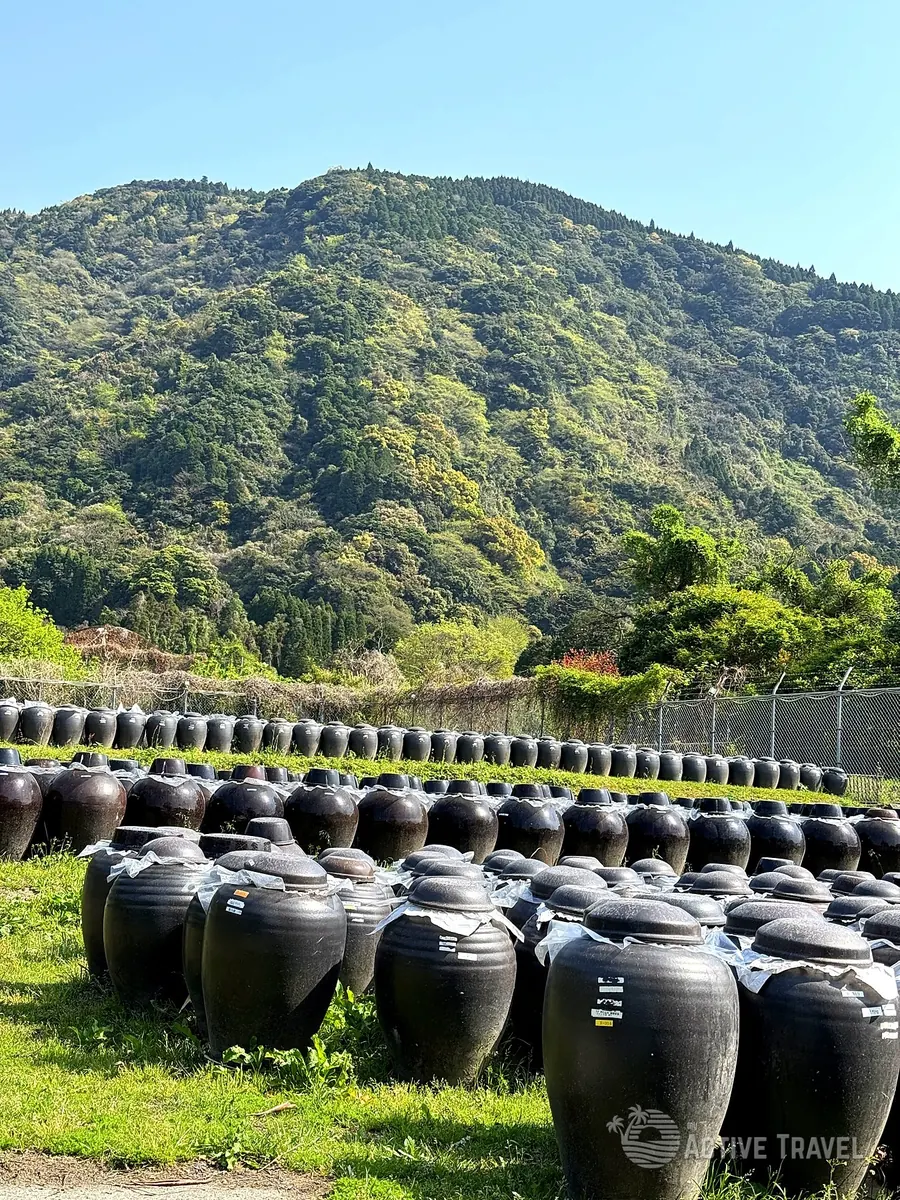
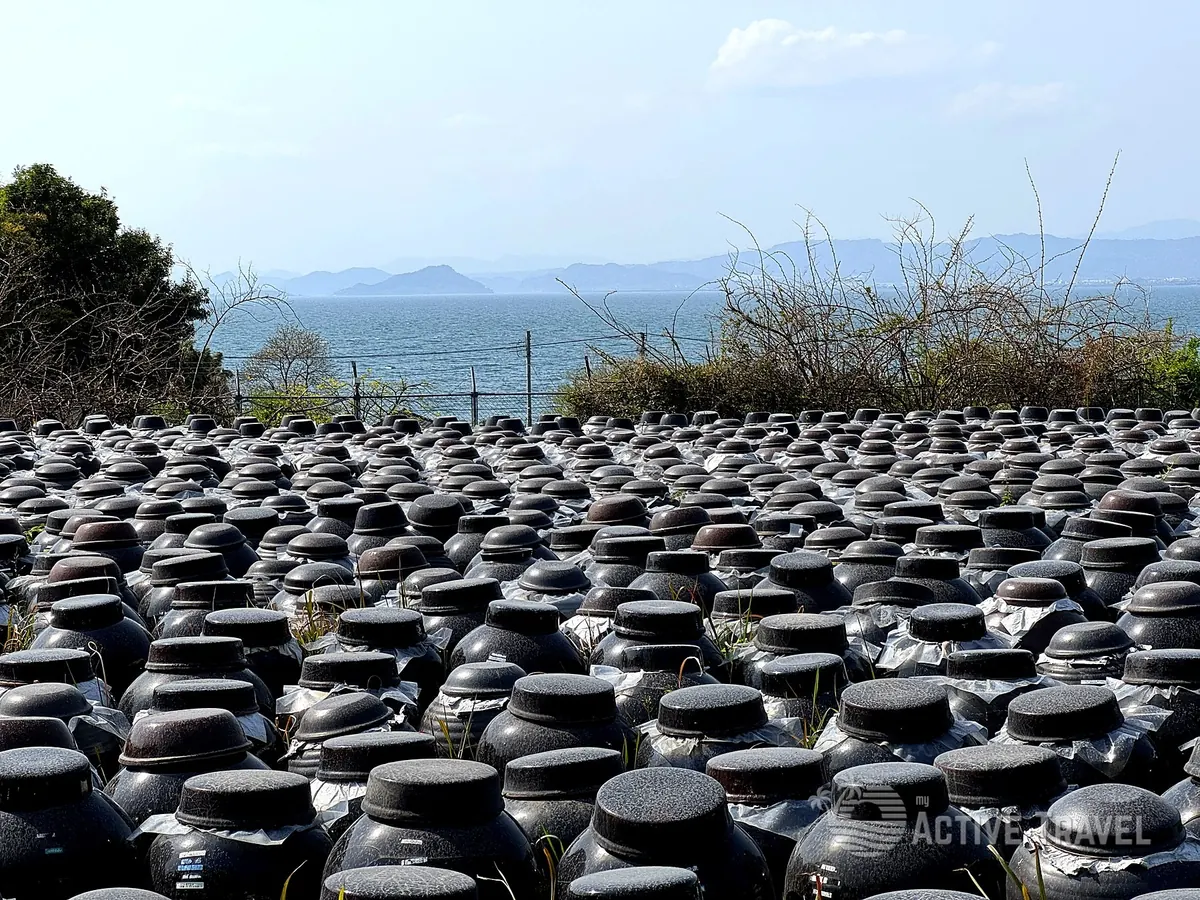
The surprise here is the pots. Rows of large clay pots stand on the hillsides and beside the bay, used for fermenting black vinegar, a local specialty of this part of Kagoshima. Seeing hundreds of them lined up in the sun is a memorable sight, and the vinegar makes a useful souvenir.
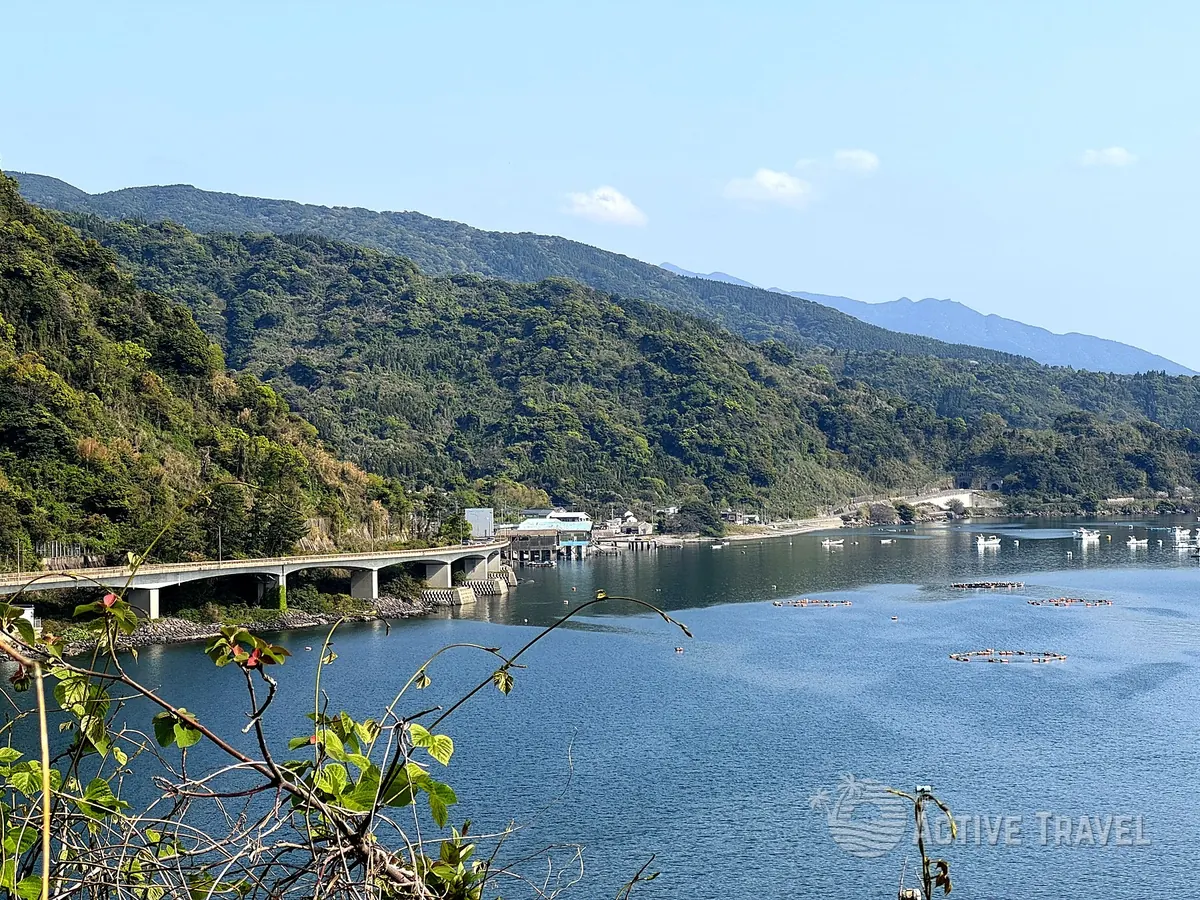
The trip ends at Kagoshima Bay, where a long bridge crosses the water below forested hills. If you have time, take the short ferry to Sakurajima, the active volcano that dominates the view. Check the current volcanic alert level before you go.
🧾 Tips & What to Pack
- Comfortable walking shoes, since you will walk a lot on streets, steps and forest trails.
- A light jacket and an umbrella: spring weather can swing from warm to rainy.
- A small towel for onsen visits and a plastic bag for wet items.
- Cash in yen: many small shops, shrines and food stalls still prefer it.
- A rail or IC card for trains and buses, and offline maps on your phone.
- A picnic mat if you want to join the blossom picnics.
🍴 Local Highlights & Cuisine
Kyushu is a food island. Look for tonkotsu ramen in Fukuoka, Kumamoto’s local specialties, Kagoshima black pork (kurobuta) and sweet potato shochu, and fresh seafood on the coast. In hot spring towns, try onsen-steamed dishes. A simple set meal with rice, miso soup and a bowl topped with egg is an affordable lunch almost everywhere.
📌 Quick Facts About Kyushu
- Country: Japan, the southern main island
- Main cities: Fukuoka, Kumamoto, Kagoshima, Nagasaki
- Language: Japanese; English signs are common at stations and major sights
- Currency: Japanese yen
- Best for blossoms: late March to early April, varies each year
- Emergency numbers: 110 police, 119 fire and ambulance
What I learned on Kyushu
- Pick a base in each region and use trains for the longer legs.
- Early mornings are quiet and the light is good for blossoms.
- Small shrines on side streets are often the best surprise.
- Carry cash and a small towel every day.
- Leave room in your plan for rain and for slow, scenic stops.
✈️ Getting There — Flights & Trains
Airports
- Fukuoka (FUK) is the main gateway. Kumamoto (KMJ), Kagoshima (KOJ), Oita (OIT) and Nagasaki (NGS) have domestic links. Flights and schedules change, so check the current timetable.
Trains, Buses and Ferries
The Kyushu Shinkansen links Fukuoka, Kumamoto and Kagoshima, and local JR trains and buses reach Yufuin, Beppu and Kirishima. Check JR Kyushu for current passes and timetables. Ferries cross Kagoshima Bay to Sakurajima.
Getting Around
Trains and buses cover most of the route in this guide. A rental car gives more freedom in Kirishima and the mountains, but you need an international driving permit and should check current rules.
🧭 Safety — Weather, Volcanoes & Hot Springs
- Weather. Spring can bring rain, and a typhoon season follows in summer and autumn. Check the forecast each day.
- Volcanoes. Sakurajima and the Kirishima area are active. Follow the Japan Meteorological Agency alert levels and local signs.
- Earthquakes. Japan has frequent small earthquakes. Learn your hotel’s exit and listen to local announcements.
- Hot springs. Follow bathing rules, rinse before entering and check each bath’s policy on tattoos.
- Trails and steps. Wear shoes with grip, because stone steps can be slippery.
- Emergencies. Dial 110 for police and 119 for fire or ambulance. Travel insurance is recommended.
✨ In Summary
Kyushu in cherry blossom season is easy, varied and rewarding: lakeside hot spring towns, blossom-lined parks, quiet shrines, forest trails and fields of black vinegar pots beside a volcanic bay. Plan a loop, travel light and let the blossoms set the pace. If you would like help planning a similar trip, get in touch and we will help you plan it.