
Amsterdam is one of Europe’s easiest city breaks: compact, flat, full of canals and made for walking and cycling. A long weekend is enough for the highlights, and the evenings are the best time to be outside. This guide covers a short spring stay: what to see, how to get around, what to pack and how to stay safe.
🌍 Why Visit Amsterdam Now?
Spring is a lovely time to go. The days are getting longer, the parks are green and the famous bulb fields in the countryside are in bloom in April and May. Evenings stay light until late, so you can fit a lot in. Book museum tickets and restaurant tables in advance, especially at weekends.
⚓ The Harbour
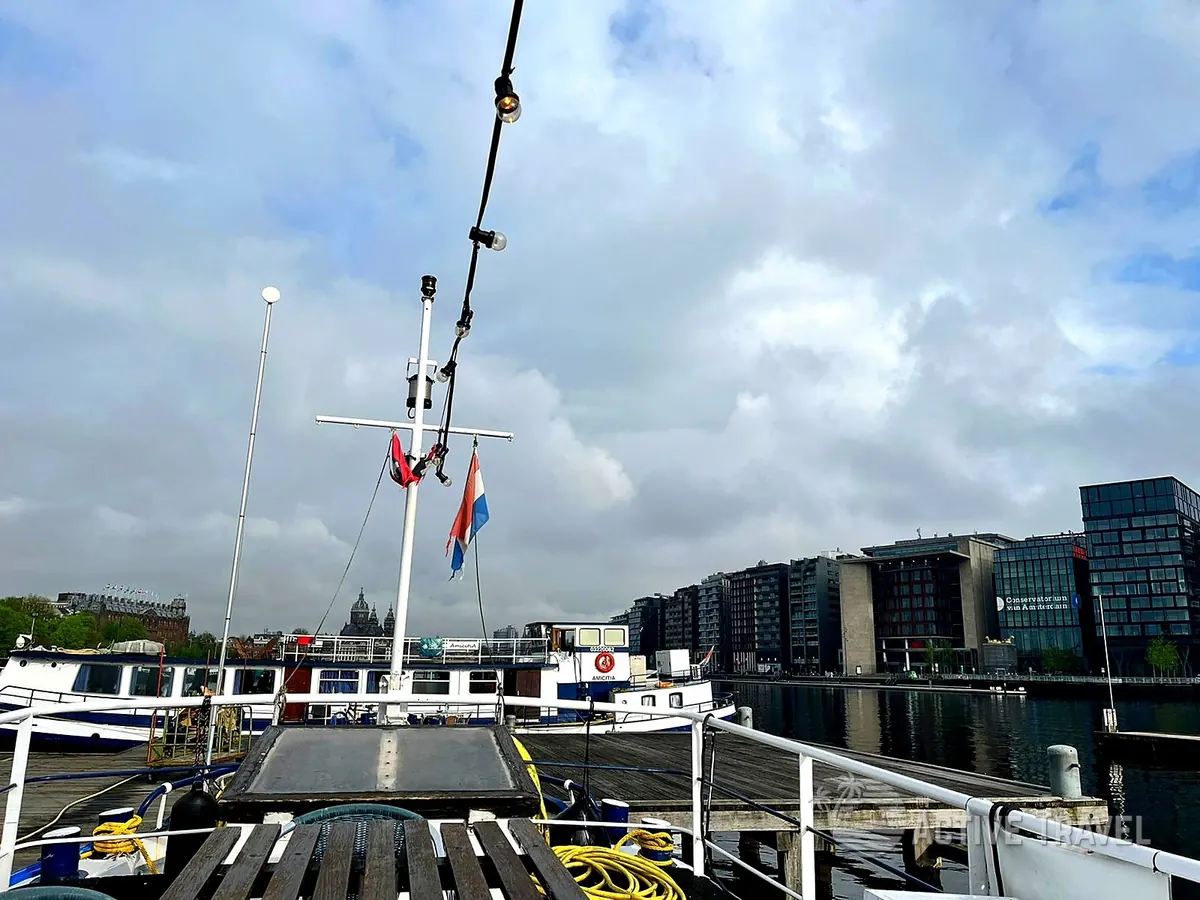
Start at the water. The harbour east of the Central Station is lined with boats, houseboats and modern buildings, and a morning walk along the quay shows the city’s seafaring past. Look out for the red, white and blue Dutch flag on the boats.
🌉 Canals at Dusk
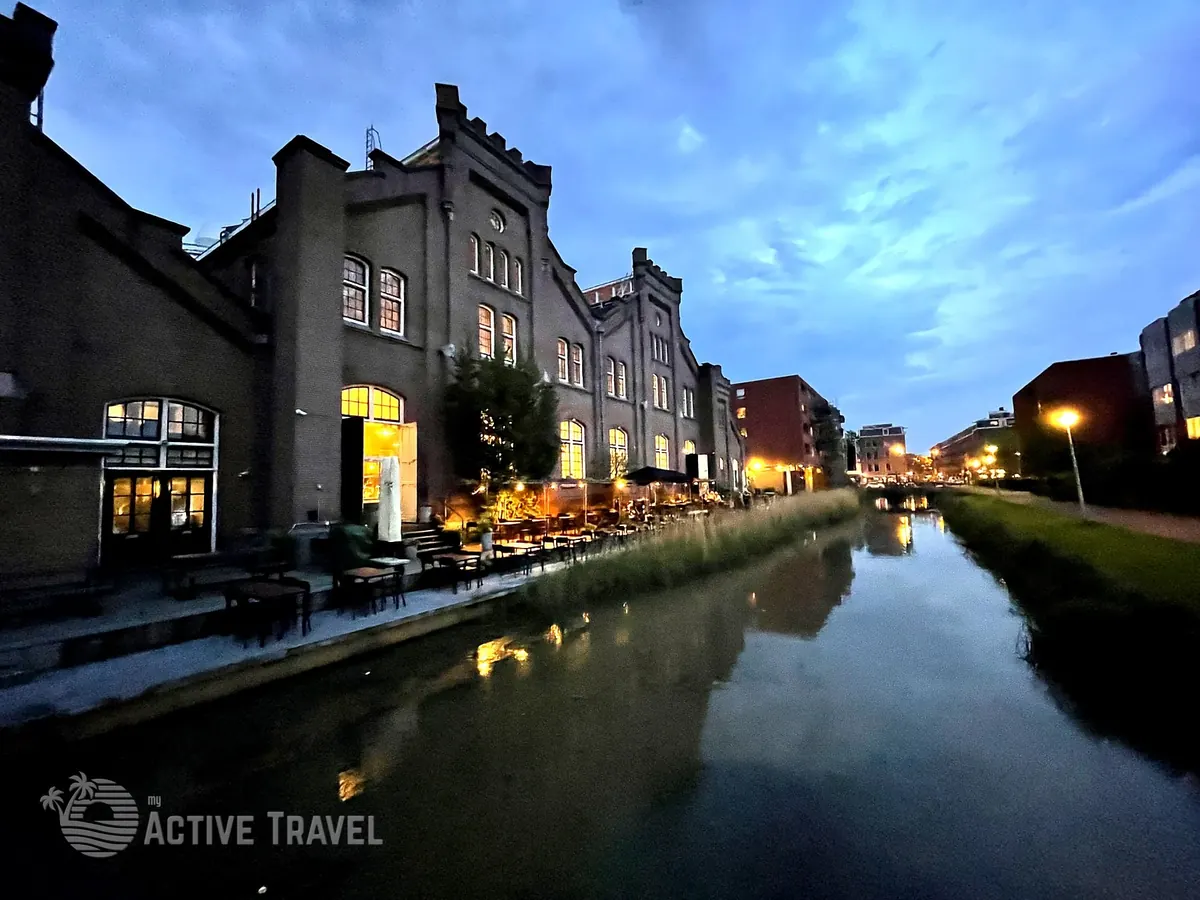
Amsterdam’s canals are protected as a UNESCO World Heritage Site, and they look their best at dusk. Walk along a quiet canal as the lights come on, with old brick buildings reflected in the water and restaurant terraces glowing along the bank.
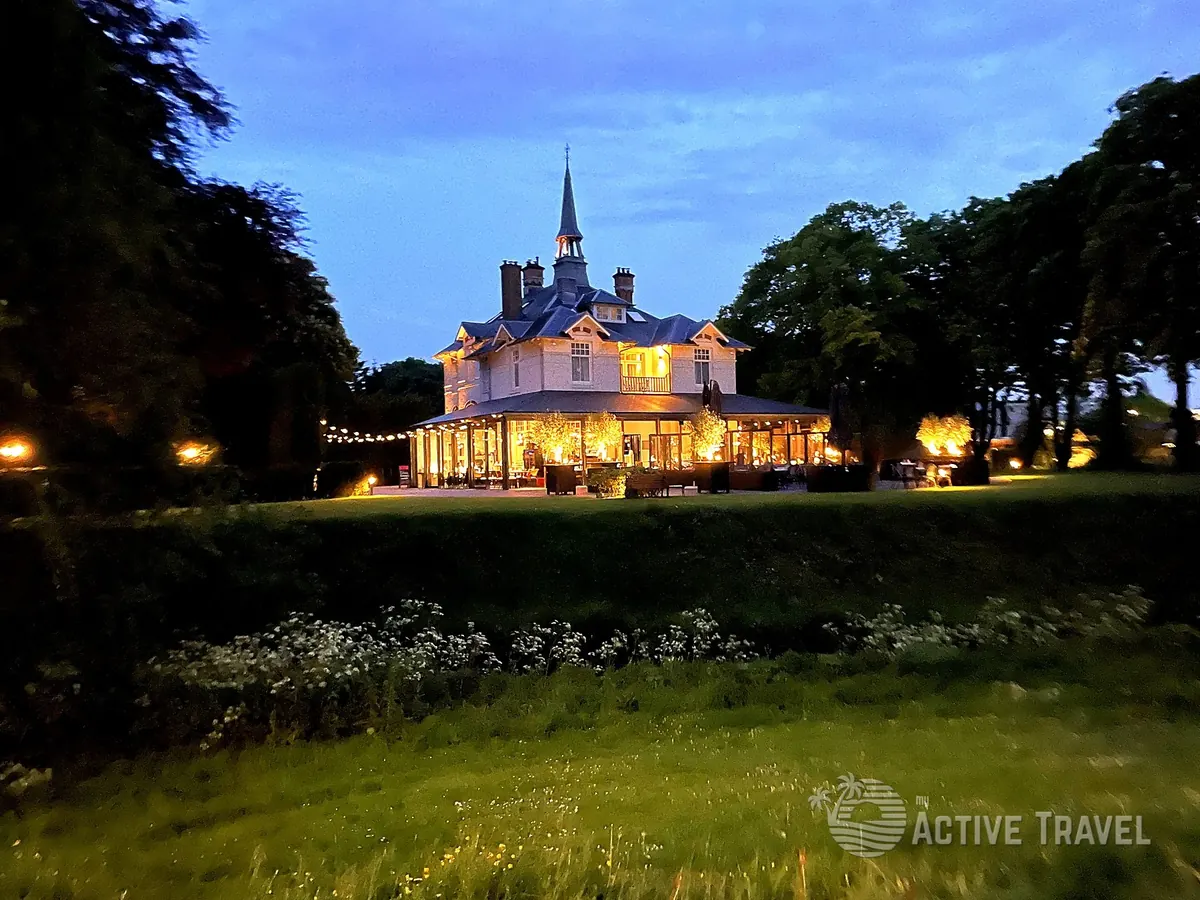
Further out, parks and green spaces offer a calm break from the busy centre. In the evening, lit villas among the trees look like something out of a fairy tale.
🧾 Tips & What to Pack
- Comfortable walking shoes: cobbles and bridges are everywhere.
- A light rain jacket, since showers can come at any time.
- A small day bag with a secure zip.
- A contactless card or phone for trams and shops; many places do not take cash.
- Layers for cool evenings by the water.
- A phone with offline maps and a charger.
🍴 Local Highlights & Cuisine
Try stroopwafels (syrup waffles), fresh herring, bitterballen (fried meat croquettes) and Dutch cheese, and look for pancakes at a traditional pancake house. Evening canal-side terraces are a great place for a drink, but check opening times, because many close early on weekdays.
📌 Quick Facts About Amsterdam
- Country: the Netherlands
- Language: Dutch; English is widely spoken
- Currency: euro
- Getting around: on foot, by bike, tram, metro and ferry
- Best time: April to September
- Emergency number: 112
What I learned in Amsterdam
- Book the big museums ahead of time.
- Walk everywhere you can: the best bits are between the sights.
- Stay out of the bike lanes.
- The evenings are the best time for photos.
- A canal-side meal is worth the extra few euros.
✈️ Getting There — Flights & Trains
Airports
- Amsterdam Schiphol (AMS) is the main airport, with a train link to the Central Station in about 20 minutes. Flights and schedules change, so check the current timetable.
Trains, Trams and Bikes
Dutch trains connect Amsterdam with the rest of the country and with nearby countries, and trams, metro and ferries cover the city. Check the current fares and use a contactless card or travel card. Hiring a bike is a great way to see the city, but only ride where you feel confident.
Getting Around
The centre is small enough to walk. Trams are the best way to cover longer distances, and bikes are quick if you are comfortable in busy traffic.
🧭 Safety — Bikes, Crowds & Water
- Bikes. Cyclists move fast and have priority in bike lanes. Look both ways before stepping off the pavement.
- Pickpockets. Keep valuables in a zipped bag in crowded areas and on trams.
- Canals. Do not lean over the edge, and take extra care after dark.
- Weather. Carry a rain jacket and dress in layers.
- Cobbles. Wear shoes with good grip.
- Emergencies. Dial 112. Travel insurance is recommended.
✨ In Summary
Amsterdam rewards a slow wander: harbour views in the morning, canals glowing at dusk and lit villas in the parks. Book ahead, walk a lot and stay out of the bike lanes. If you would like help planning a similar trip, get in touch and we will help you plan it.