
South of Nara and Osaka, the Kii Peninsula is Japan at its most sacred and most scenic: temple gardens and friendly deer in Nara, a red pagoda beside the tallest waterfall in the country at Nachi, a quiet hot spring town on the coast at Shirahama and the great shrines of Ise. This guide follows a week-long loop through them: what to see, how to get around, what to pack and how to stay safe.
🌍 Why Visit the Kii Peninsula Now?
Mid April is a lovely time to go. Cherry blossoms linger in the hills, the forests are fresh green and the shrines are calmer than in the main blossom weeks. The peninsula is also far less crowded than Kyoto, so it suits travellers who want a slower, more spiritual side of Japan.
🦌 Nara and the Hills of Sakurai
Begin in Nara, where deer rest under the pines of Nara Park and wander among the visitors. Keep your distance and follow the signs about feeding. Nearby, quiet gardens have ponds, stone lanterns and a gazebo wrapped in cherry blossoms.
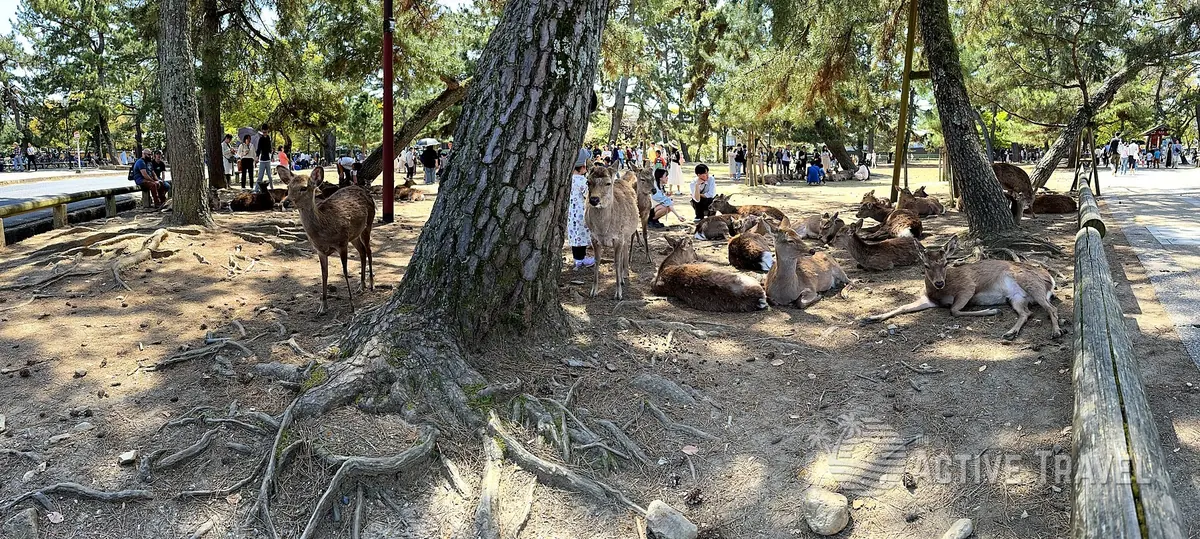
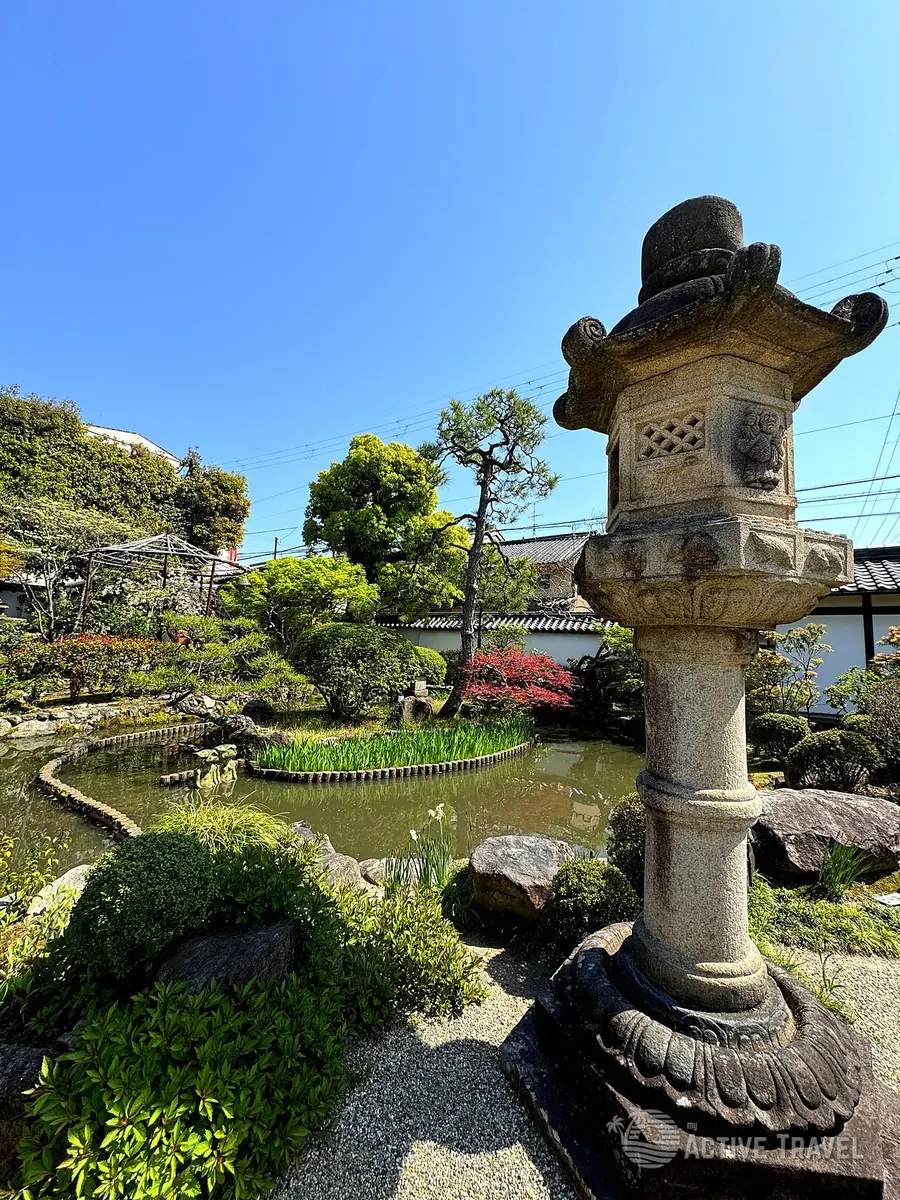
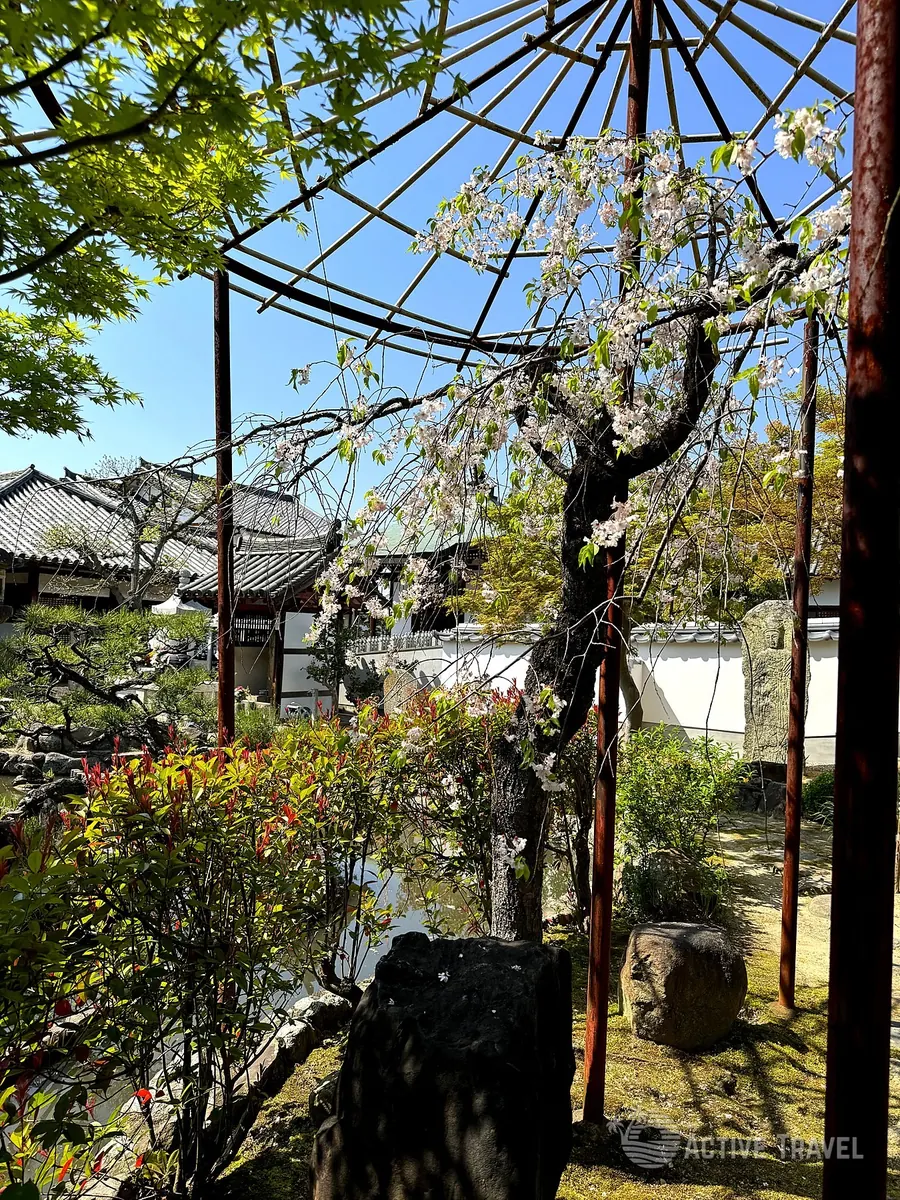
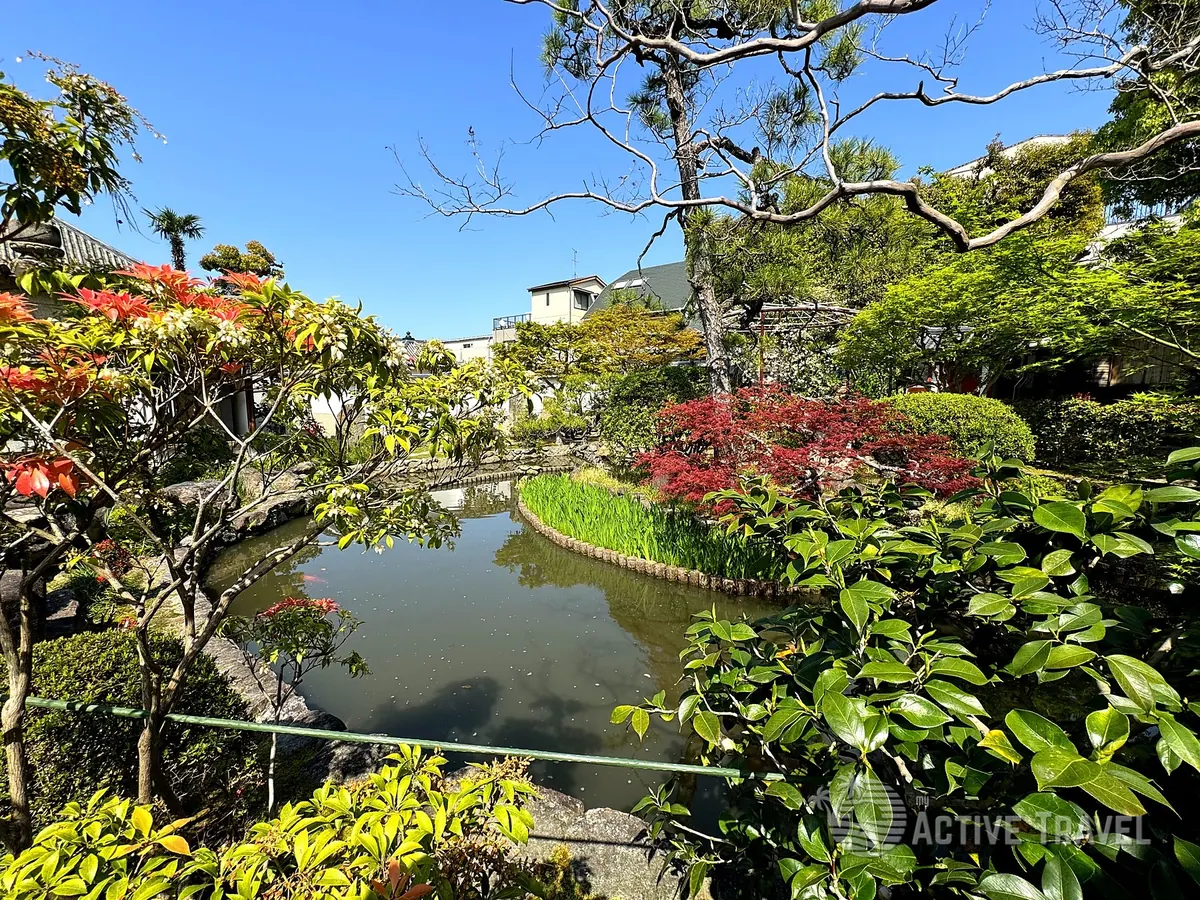
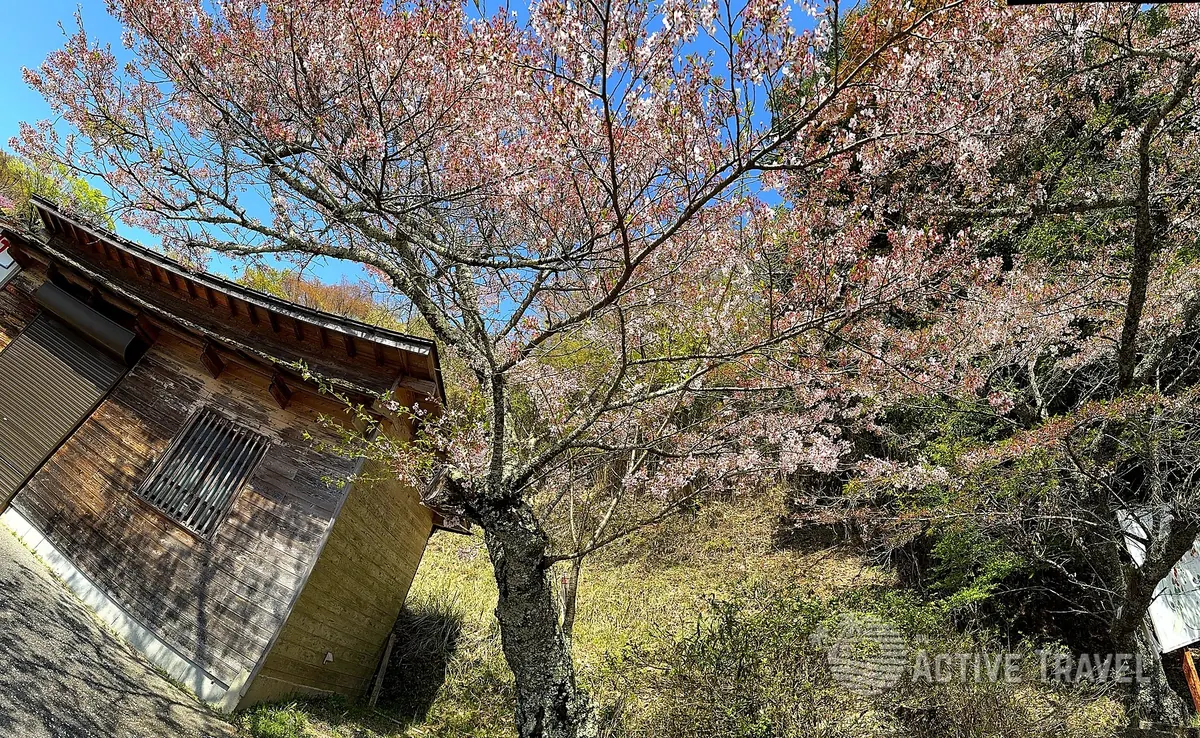
A short trip south, in the hills of Sakurai, a wooden shrine building stands among late cherry trees. The higher you go, the later the blossoms.
🌊 Shirahama — A Coastal Stop
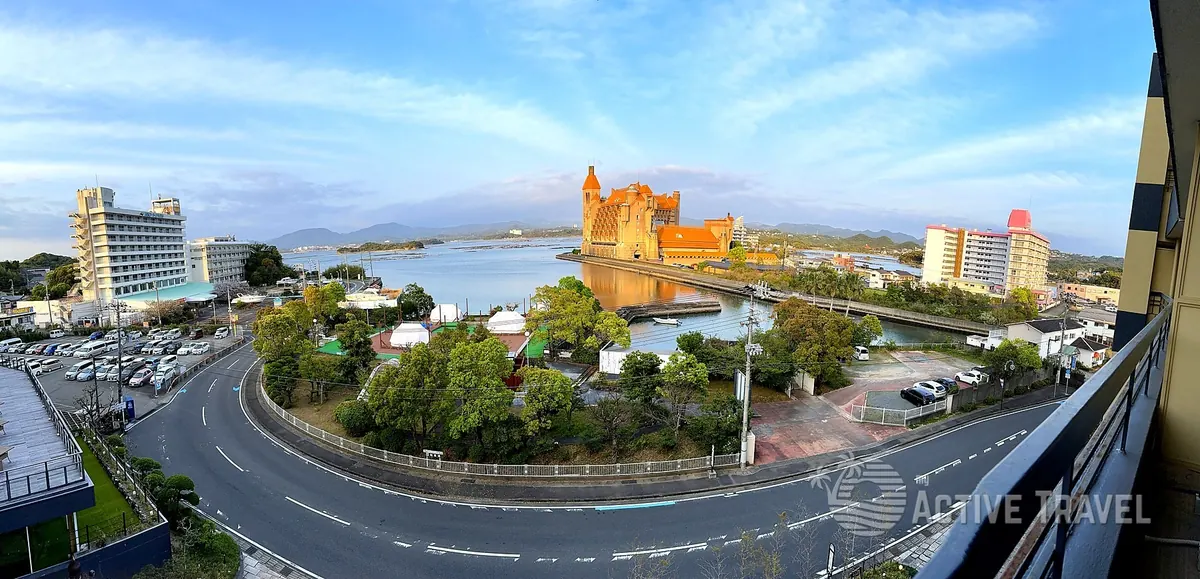
On the coast of Wakayama, Shirahama is a relaxed hot spring and beach town. It makes a good overnight stop between Nara and Nachi, with hotels along the bay and warm evening light over the water.
🗻 Nachi Falls and the Red Pagoda
The highlight of the trip is Nachi, in the Kumano region. A three-storey red pagoda stands in front of Nachi Falls, a waterfall of about 133 metres that is often described as Japan’s tallest single-drop fall. The scene is among the most photographed in the country. A smiling stone statue sits beside the path leading to it.
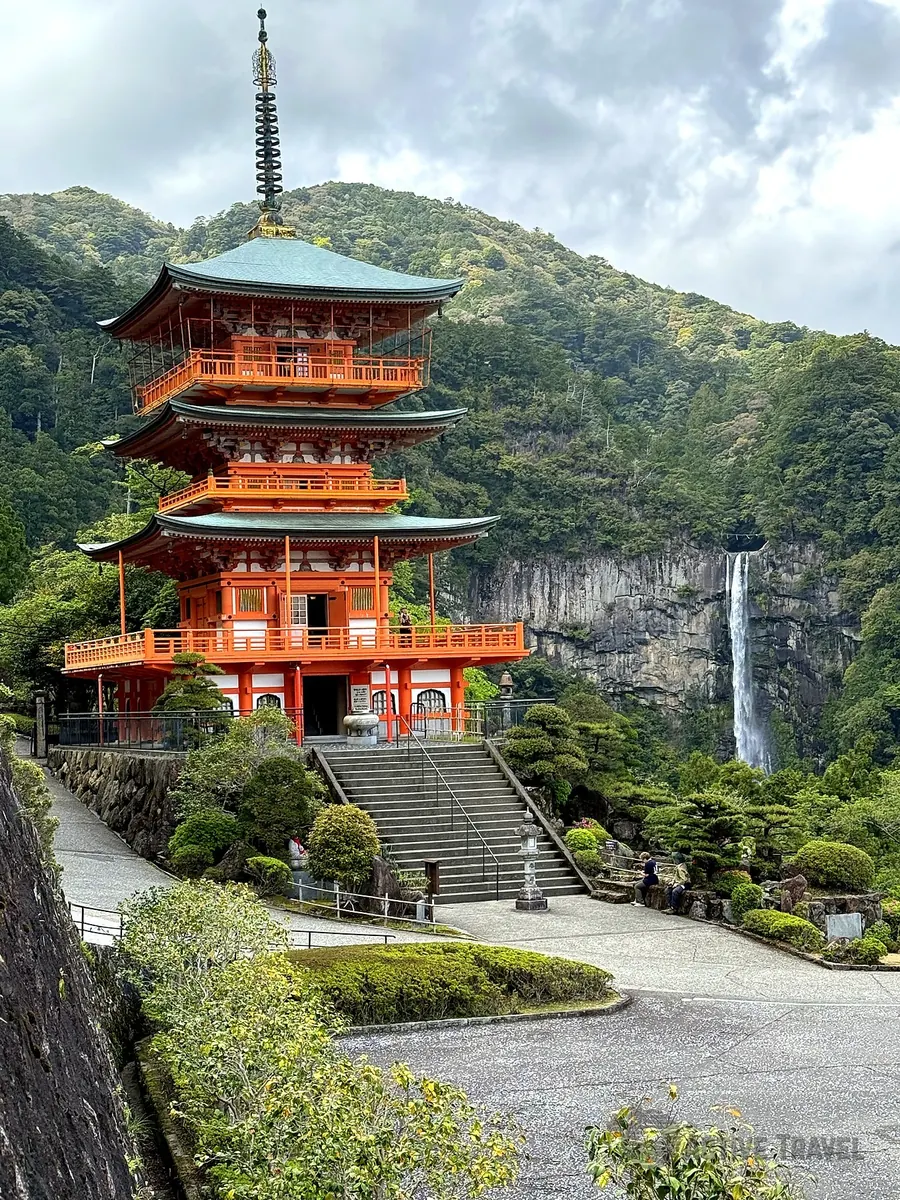
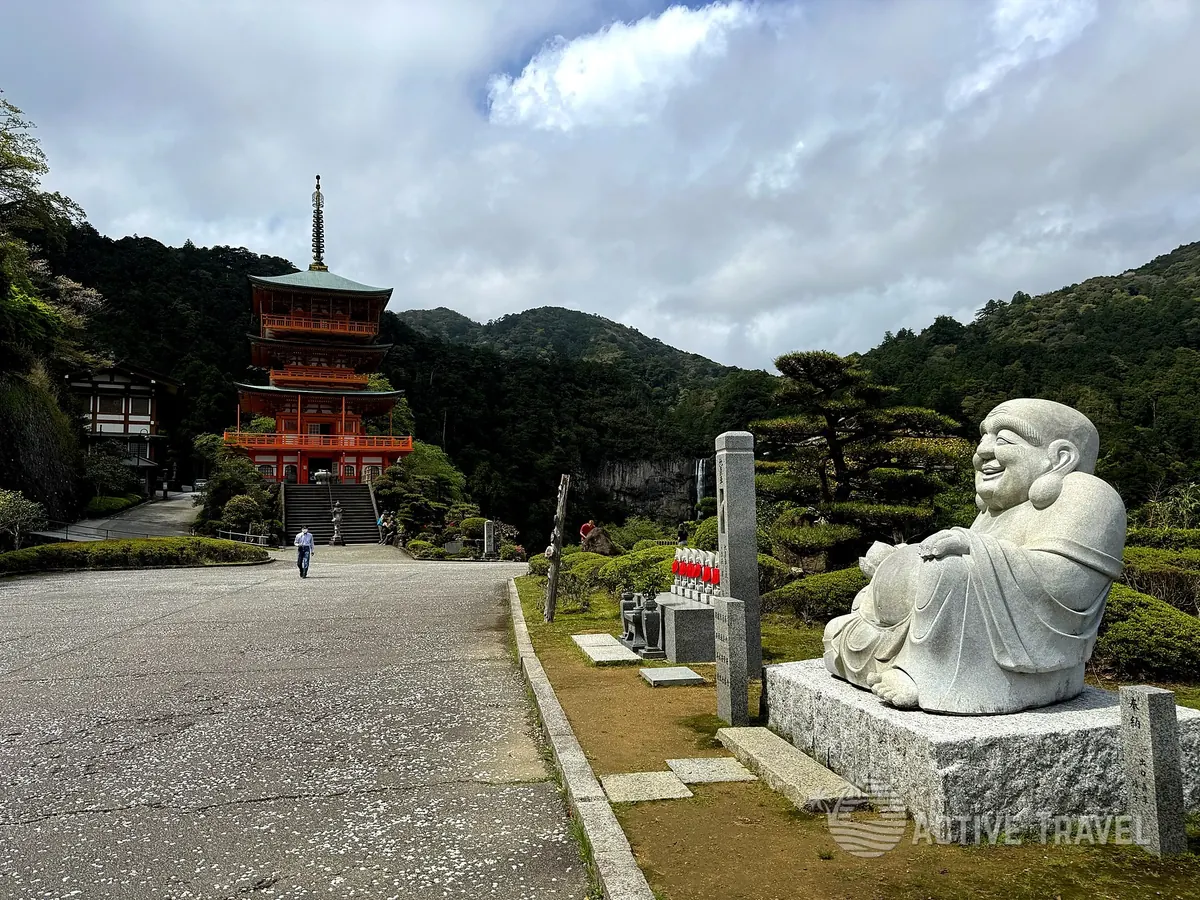
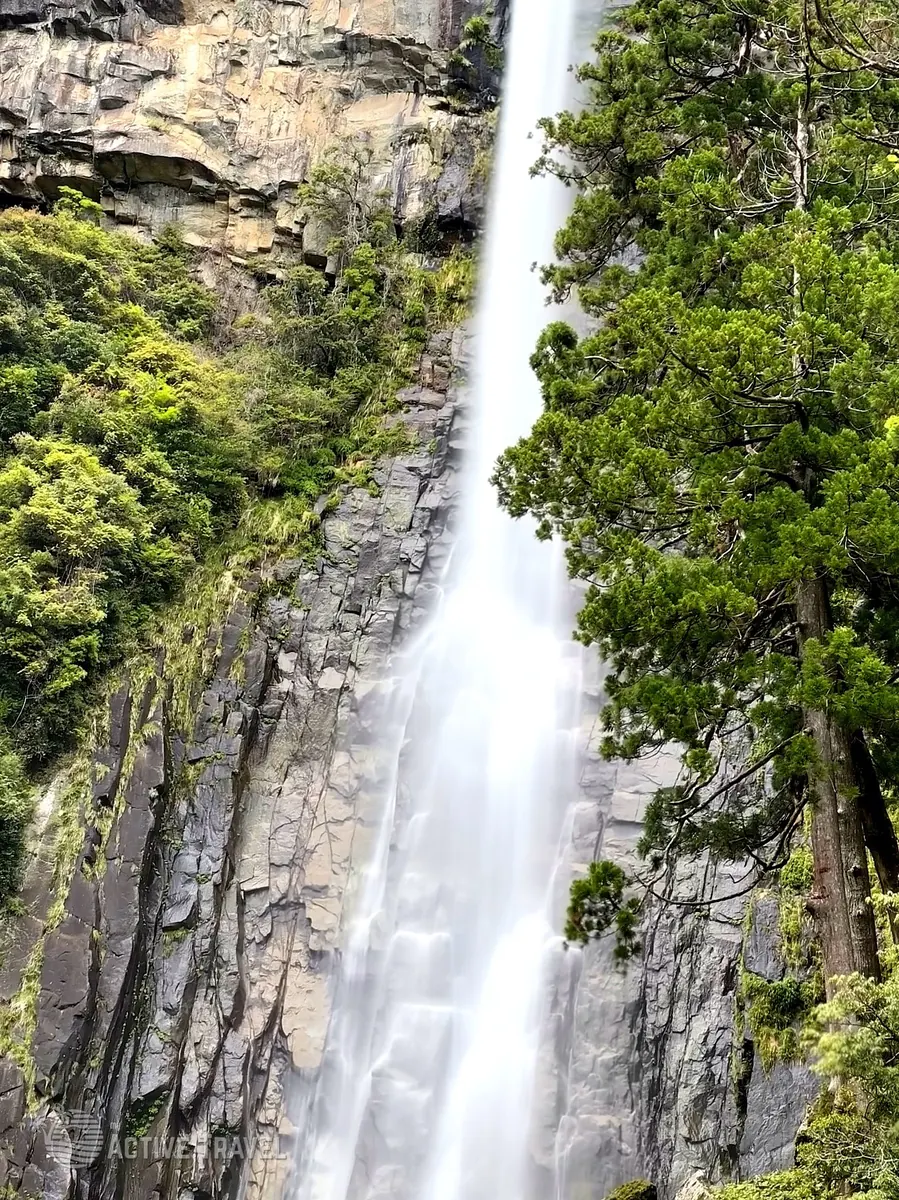
Walk the stone steps through old cedar forest to get closer to the falls. Go early: tour buses arrive later in the morning.
⛩️ Ise — Rivers and Shrines
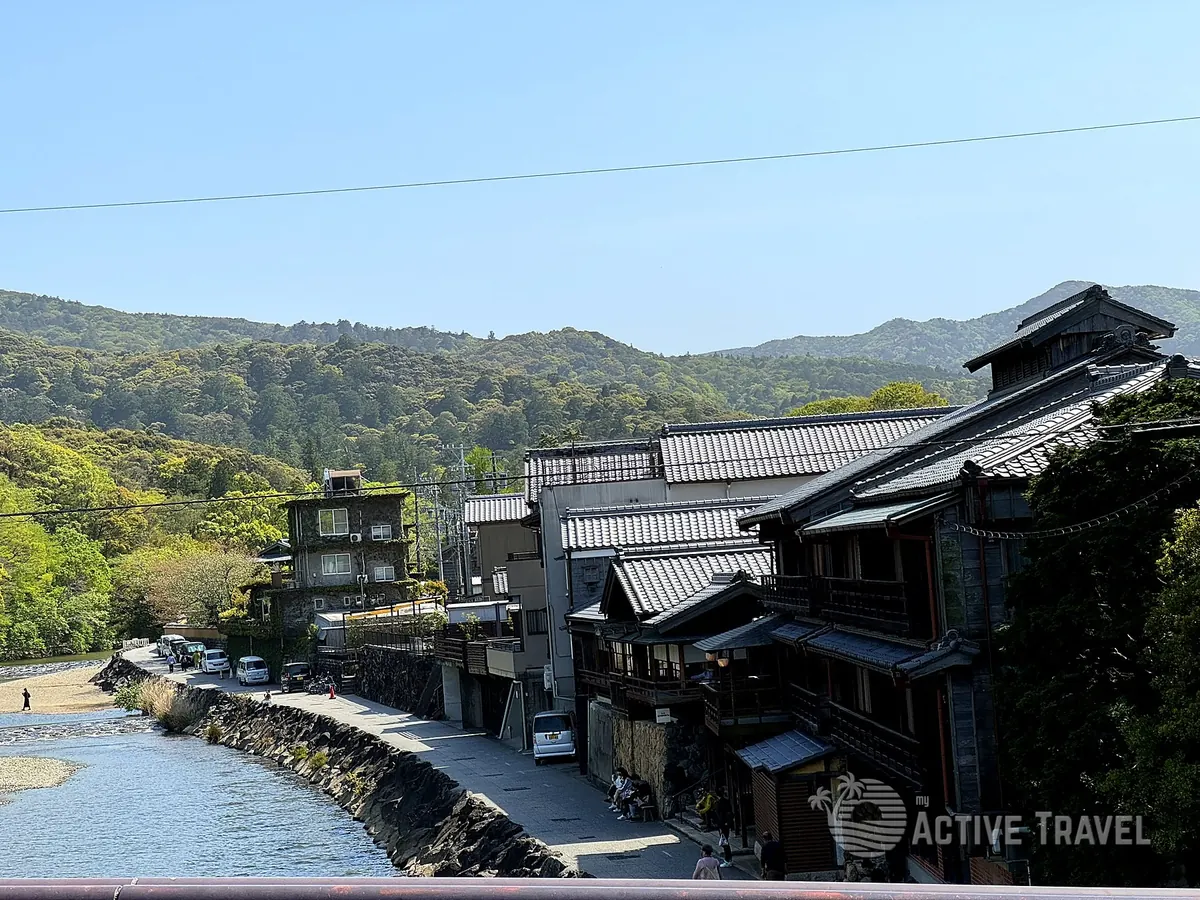
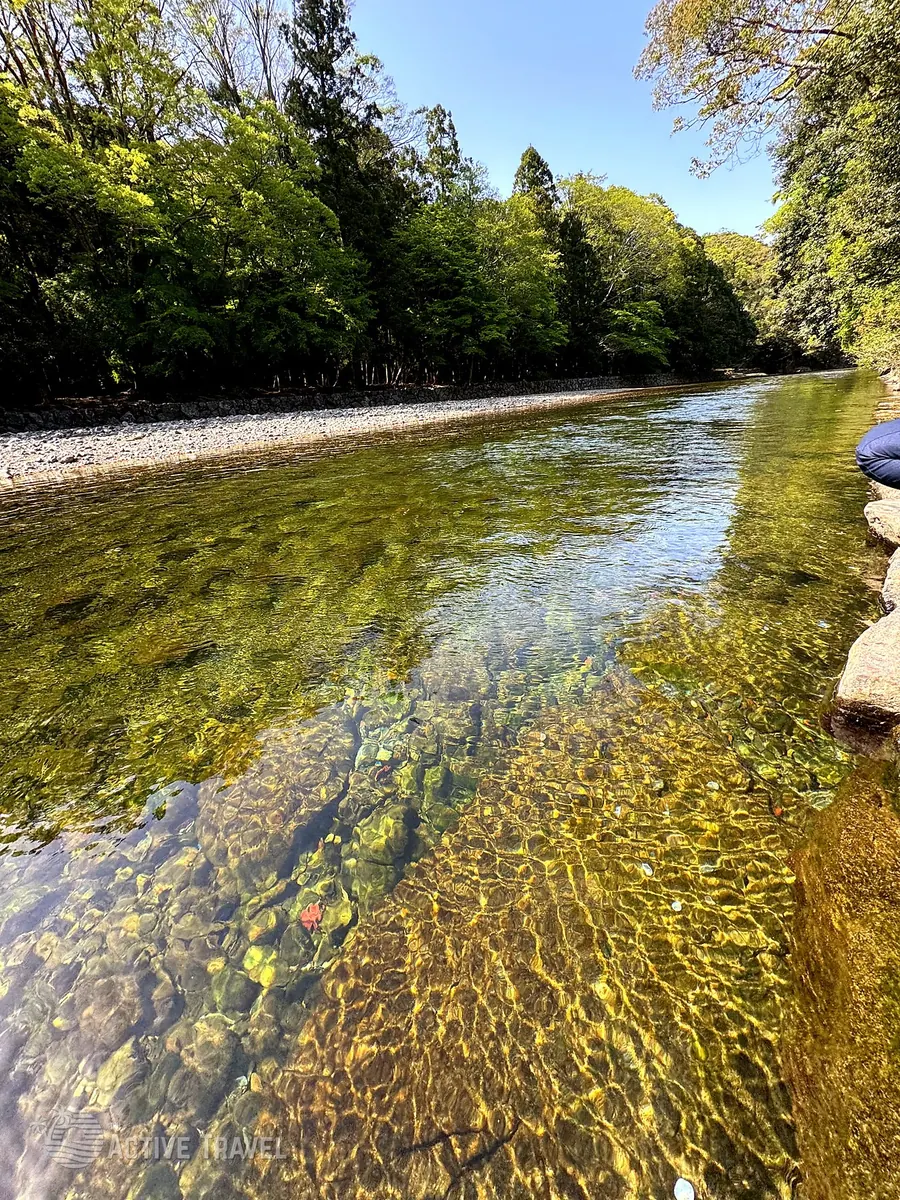
Last on the loop is Ise in Mie Prefecture, home to Ise Jingu, Japan’s most important Shinto shrine. Old wooden buildings line a street beside the clear Isuzu River, and the water runs so clean you can see every stone on the bed.
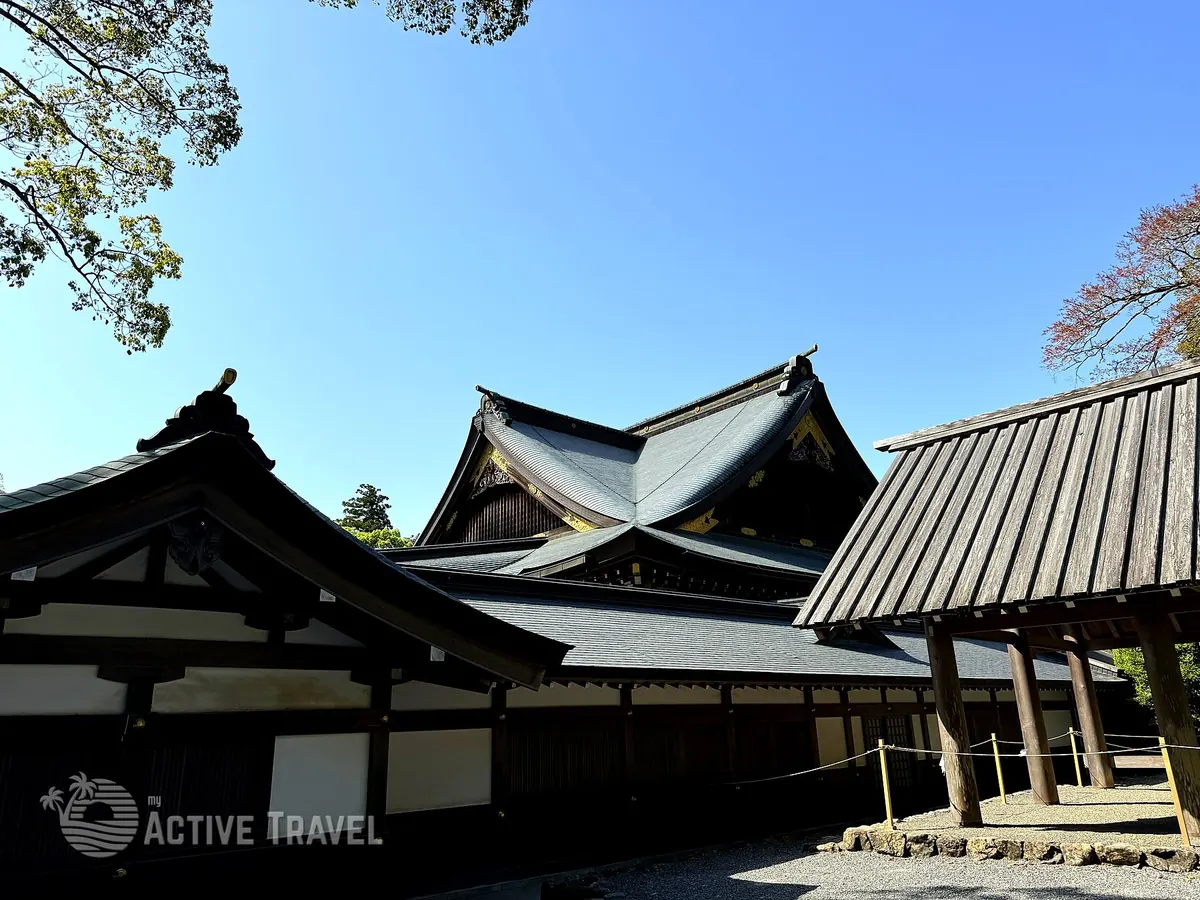
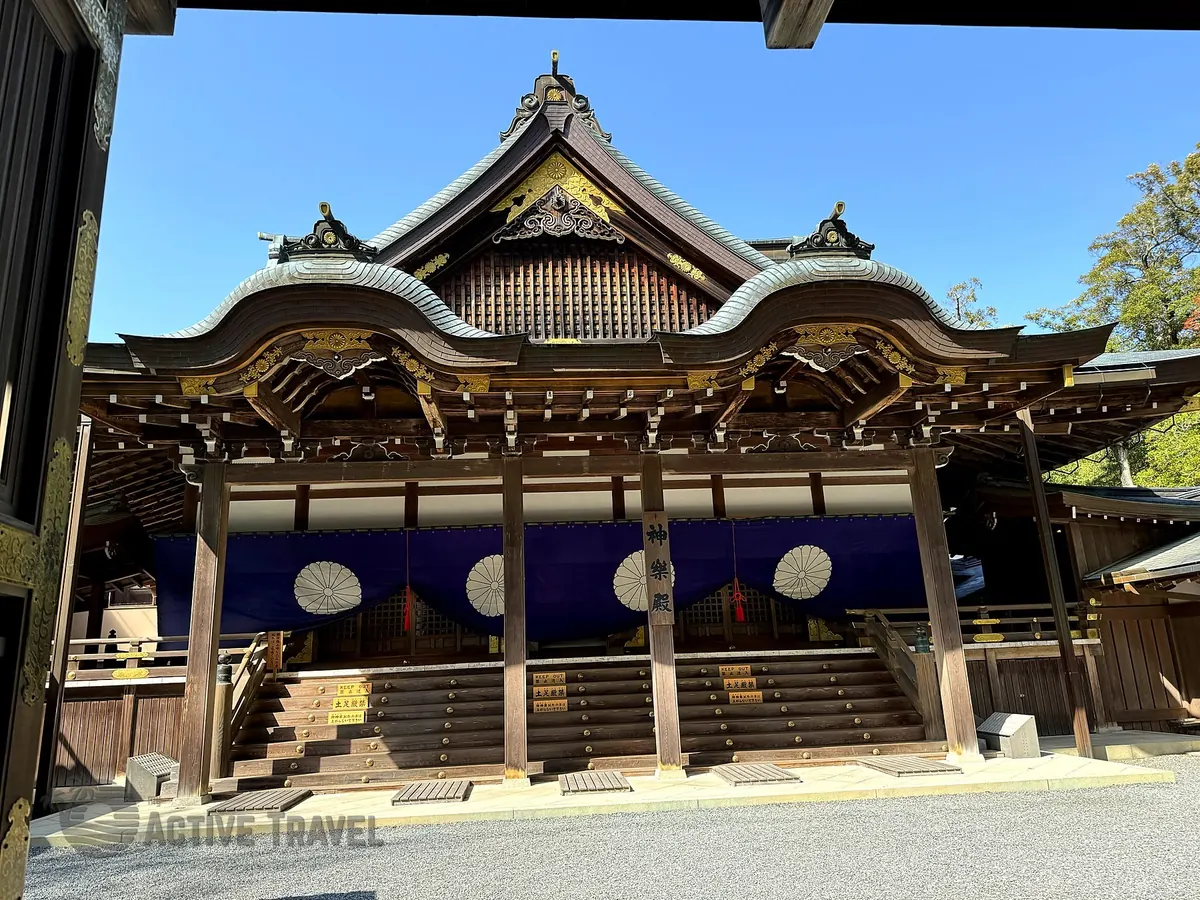
Take time to look at the shrine buildings themselves: plain timber halls with sweeping roofs, gold fittings and deep blue curtains. Follow the rules at the shrine, which usually include no photos at the inner sanctuary, so check the signs.
🧾 Tips & What to Pack
- Comfortable shoes with grip, because shrine and waterfall paths have many stone steps.
- A light rain jacket and layers: mountain and coastal weather can change fast.
- Cash in yen for temples, shrines and small shops.
- An IC card for trains and buses, and offline maps.
- A small bag and water for long walks.
- Respectful clothing for shrines.
🍴 Local Highlights & Cuisine
In Mie, try Ise udon, a thick noodle in a dark, sweet soy sauce, and fresh seafood from the coast. Wakayama is known for mikan oranges and pickled plums (umeboshi). In Nara, look for kakinoha sushi, wrapped in persimmon leaves. Check opening times, because small restaurants may close early.
📌 Quick Facts About the Kii Peninsula
- Country: Japan, south of Osaka and Nara
- Prefectures: Nara, Wakayama and Mie
- Highlights: Nara Park, Nachi Falls, Shirahama and Ise Jingu
- Language: Japanese; English signs are common at major sights
- Currency: Japanese yen
- Emergency numbers: 110 police, 119 fire and ambulance
What I learned on the Kii Peninsula
- Plan the long train and bus legs first, because services can be infrequent.
- Go early to Nachi and Ise, before the tour groups.
- Keep a respectful distance from the deer.
- Bring a layer: the hills are cooler than the coast.
- Leave space for slow walks beside the rivers and in the gardens.
✈️ Getting There — Flights & Trains
Airports
- Kansai International (KIX) and Osaka Itami (ITM) are the main airports. Nagoya (NGO) is also close to Ise. Flights and schedules change, so check the current timetable.
Trains and Buses
Nara is a short train ride from Osaka and Kyoto. From there, JR and private railways link the peninsula’s coast and Ise, and local buses run to Nachi. Services in the south are less frequent, so check the current timetables and consider a regional pass.
Getting Around
Trains and buses work well, but a rental car gives you freedom around Nachi and the coast. If you rent a car, check the current rules for foreign drivers.
🧭 Safety — Weather, Steps & Wildlife
- Weather. Spring showers are common, and typhoon season follows in late summer. Check the forecast.
- Steps. Stone steps get slippery when wet. Use handrails.
- Deer. Nara’s deer are wild animals. Do not tease them, and keep food out of sight.
- Earthquakes. Japan has frequent small earthquakes. Learn your hotel’s exit and follow local announcements.
- Last transport. Check the last train and bus on the peninsula before you start the day.
- Emergencies. Dial 110 for police and 119 for fire or ambulance. Travel insurance is recommended.
✨ In Summary
The Kii Peninsula is a gentler, greener and more spiritual side of Japan: deer and gardens in Nara, a red pagoda beside a great waterfall at Nachi, a seaside stop at Shirahama and the clear river and shrines of Ise. Pack for changing weather, plan your transport and go early. If you would like help planning a similar trip, get in touch and we will help you plan it.