
North India packs a lot of living history into a short trip. In about a week you can watch the sun set over the Ganges in Varanasi, stand at the lit-up gateways of Ayodhya, and then head north to Rishikesh, where the same river runs green and fast out of the Himalayan foothills. This guide covers all three stops: how to get there, what to see, how to stay safe and what to pack.
🌍 Why Visit Varanasi, Ayodhya and Rishikesh Now?
These three places are among the best-known pilgrimage towns in India, and each feels completely different. Varanasi and Ayodhya, in the state of Uttar Pradesh, are about temples, river steps called ghats and evening crowds. Rishikesh, in Uttarakhand, is a river town in the foothills known for its suspension bridges, riverside statues and white-water rafting. The cooler months, roughly late autumn to early spring, are the comfortable time for walking and sightseeing, and in February the hillsides at Rishikesh were hazy but the days were bright. Check the weather forecast before you go.
🗓️ A Week in North India — What to See
A simple route is to start in Varanasi, continue to Ayodhya, and finish with a few days of river and mountain air in Rishikesh.
🌅 Varanasi: Sunset on the Ganges
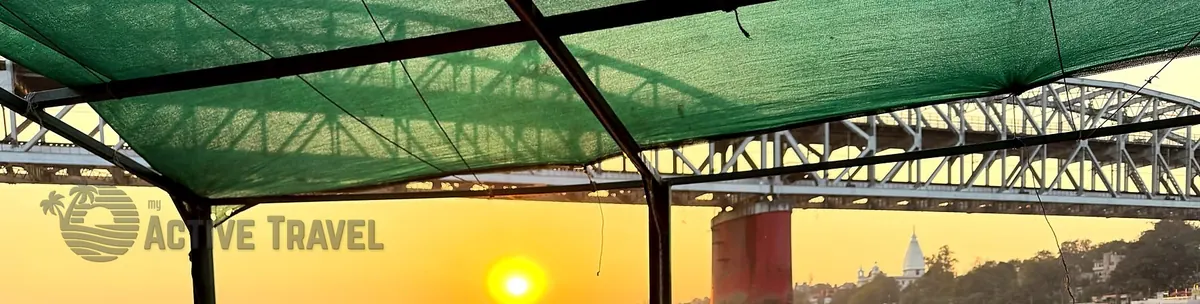
Varanasi is built along the western bank of the Ganges, and the best way to see its ghats is from the water. A boat ride at sunset gives you a wide view of the river, passing boats and a long steel bridge crossing the water, with the sun dropping into the haze. Boats are shared or private, so settle the price and the length of the ride beforehand.
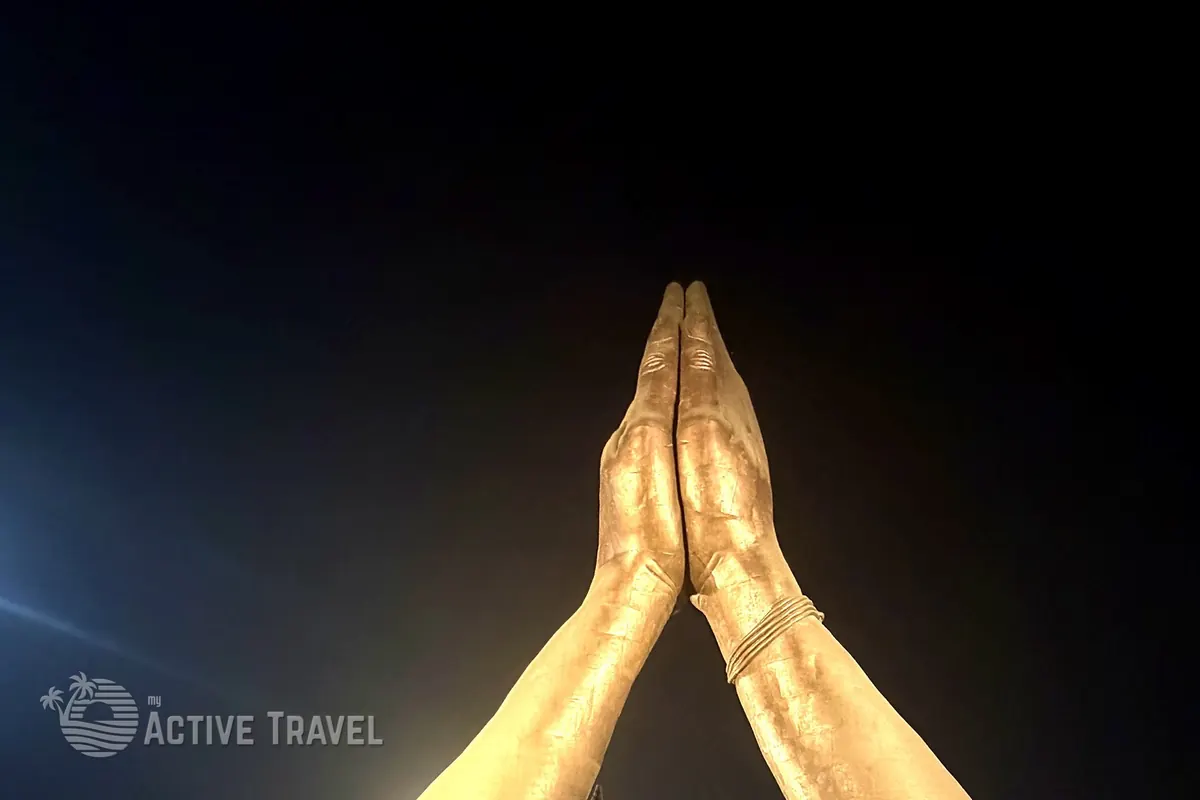
After dark the riverfront stays lively. Look out for a giant pair of golden hands held together in a namaste gesture, lit against the night sky. It is easy to spot from a distance and makes a memorable stop on an evening walk.
🛕 Ayodhya: Temple Gateways and River Ghats
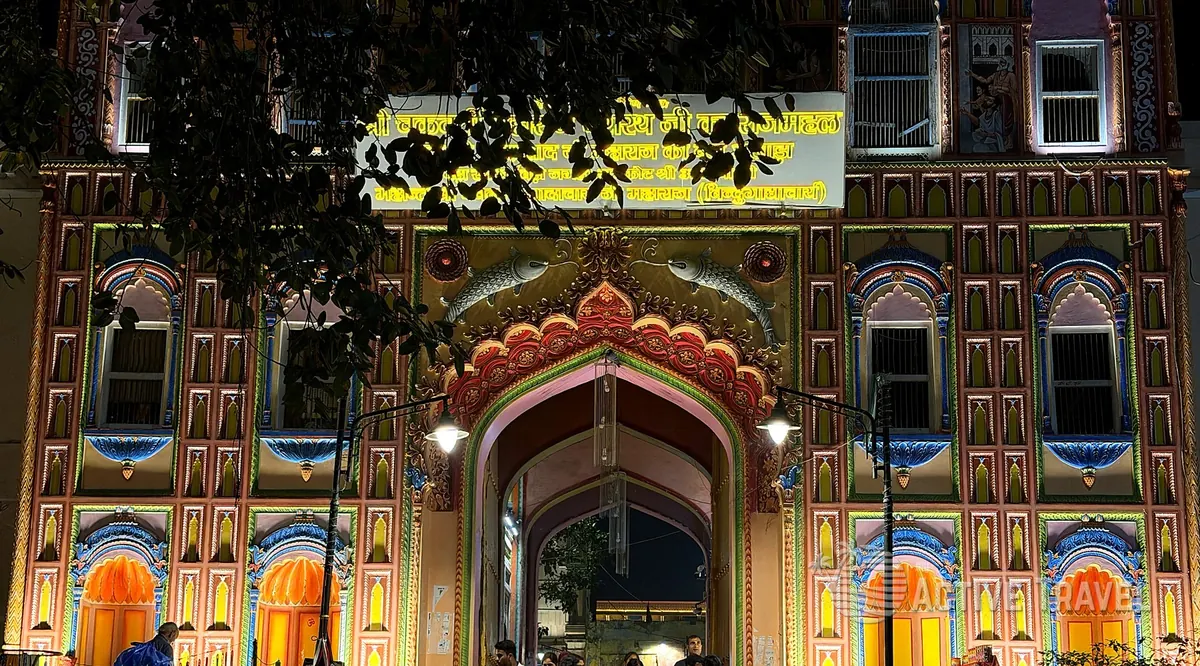
Ayodhya sits on the Sarayu river and is one of the most important pilgrimage towns in India. At night the colourful temple gateways are lit up, with arched doorways, painted windows and signs in Hindi, and worshippers arrive in a steady stream. It is a lively, atmospheric time to walk around.
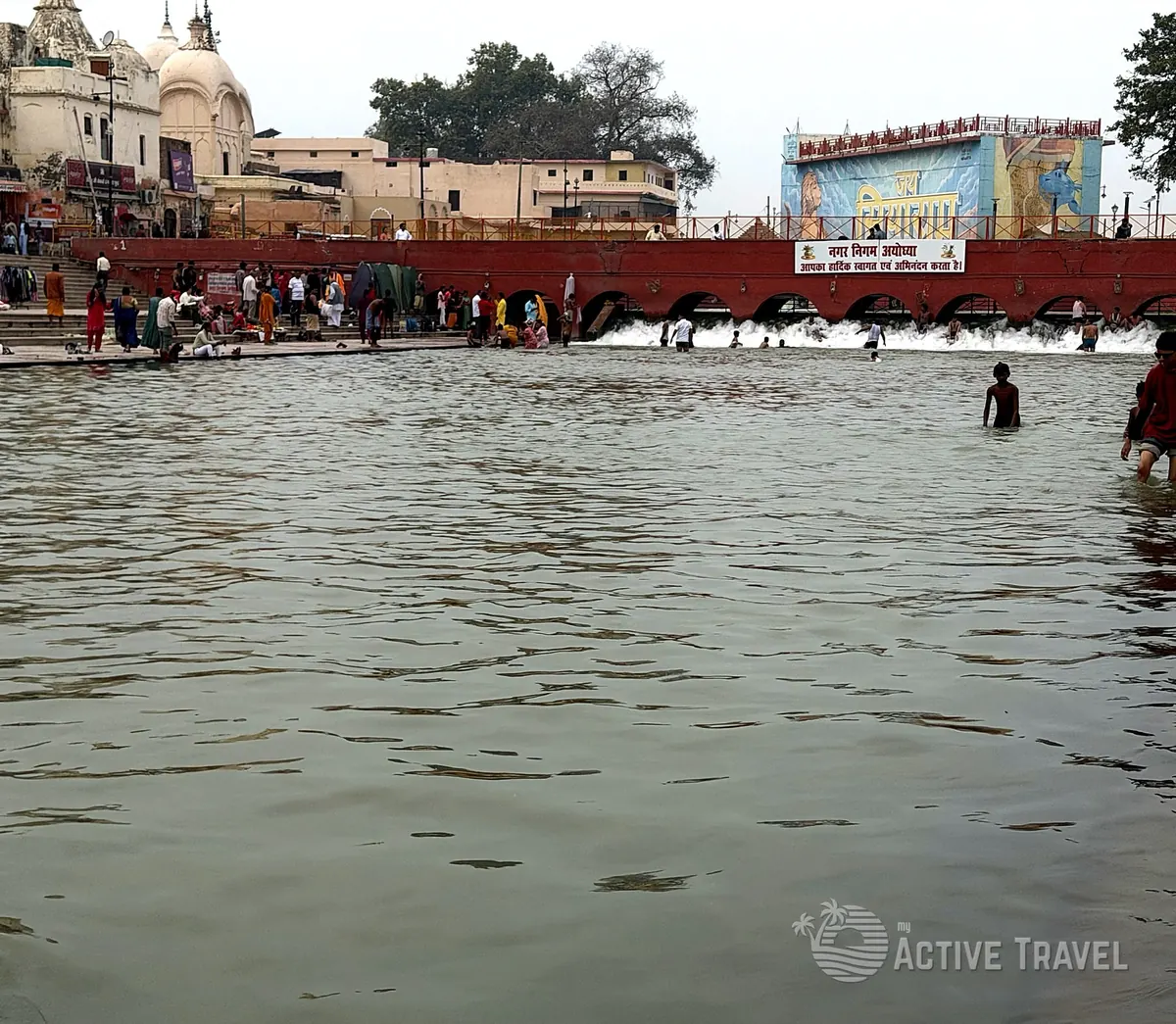
By day the riverside steps are the place to slow down. A wide stone-lined bathing area with a weir and temple domes in the background shows how the river is part of daily life here. Watch from the steps and respect the people bathing; photograph only the scene, not individuals.
🏞️ Rishikesh: Bridges, Boulders and Rapids
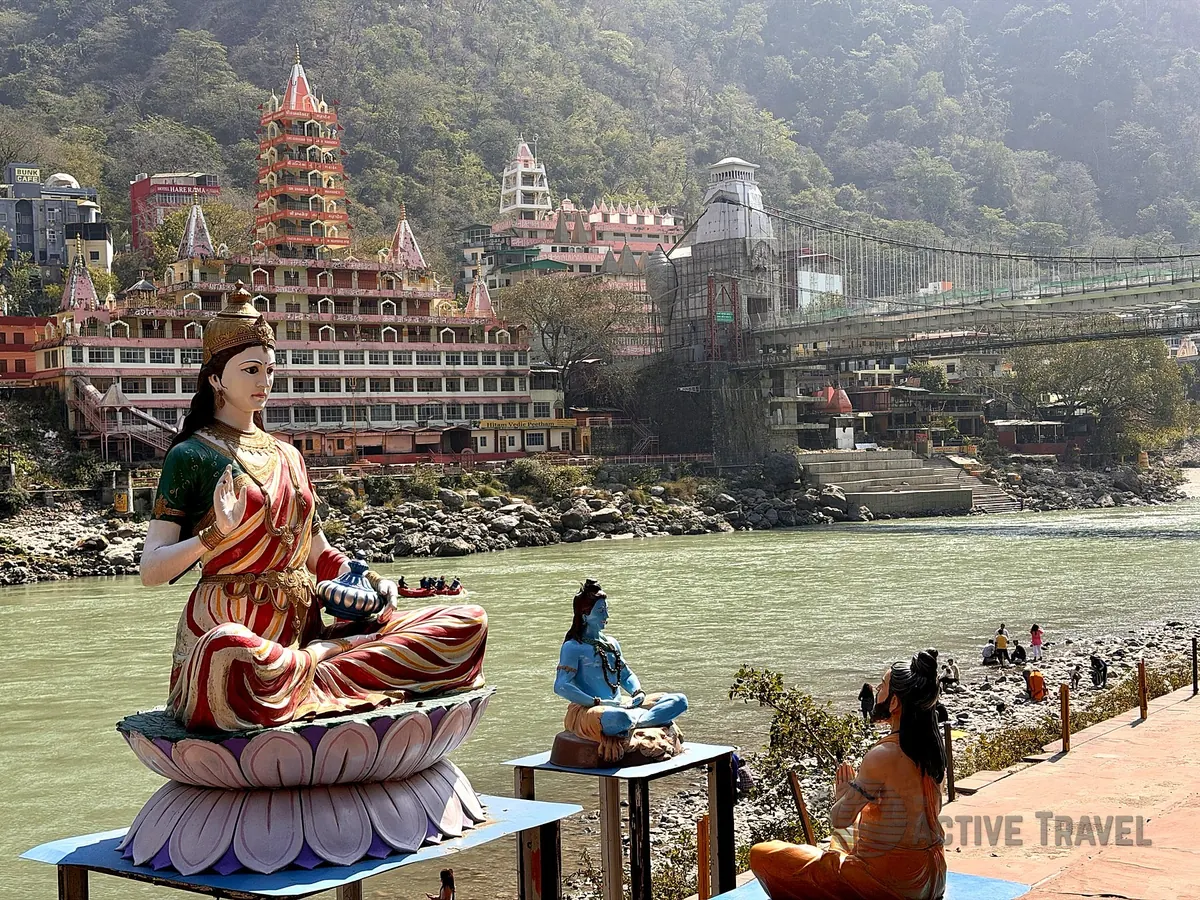
Rishikesh is where the Ganges leaves the mountains. Along the riverfront you will find colourful statues, a tall multi-storey temple and a pedestrian suspension bridge crossing the green water.
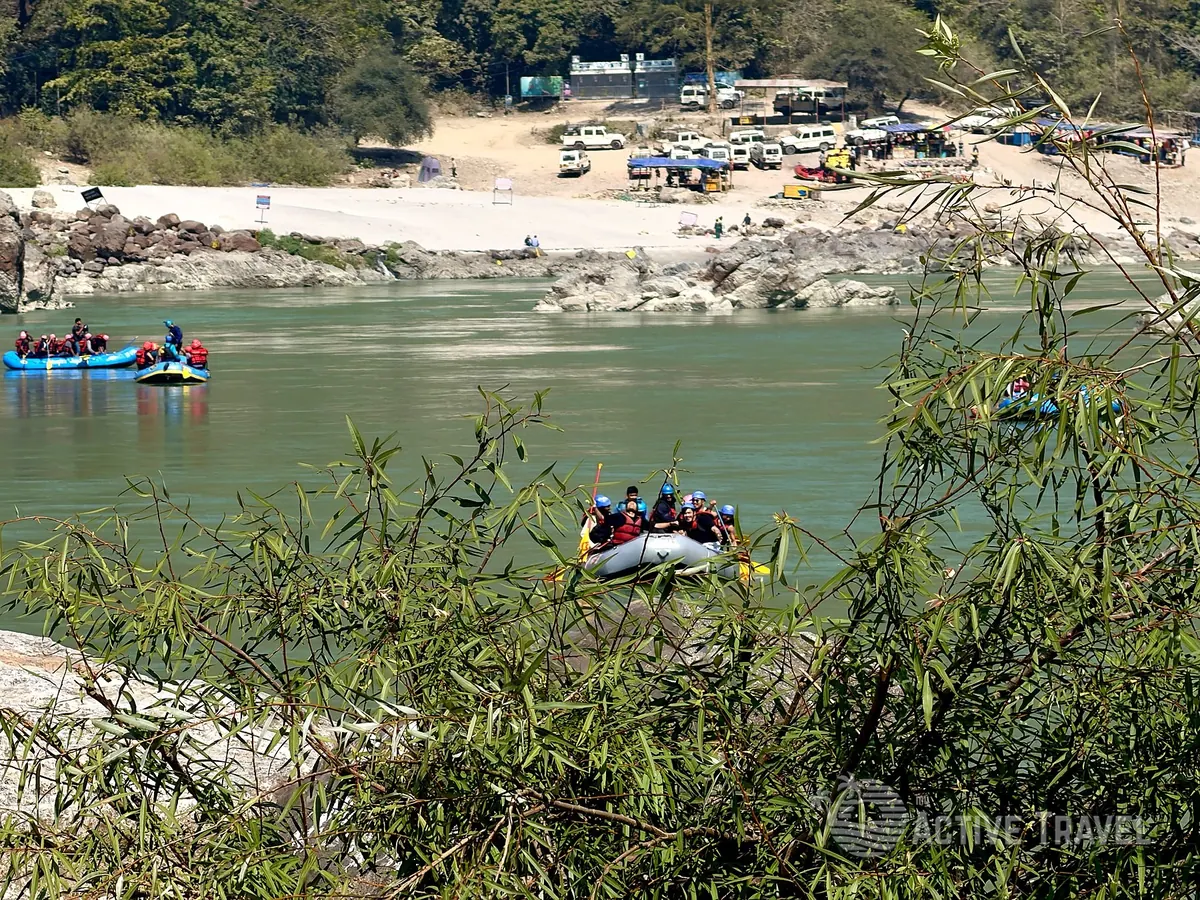
This stretch of river is known for white-water rafting, and watching the rafts glide past from the bank is a good way to decide whether you want to try it yourself. Pick an operator with proper safety gear and a trained guide.
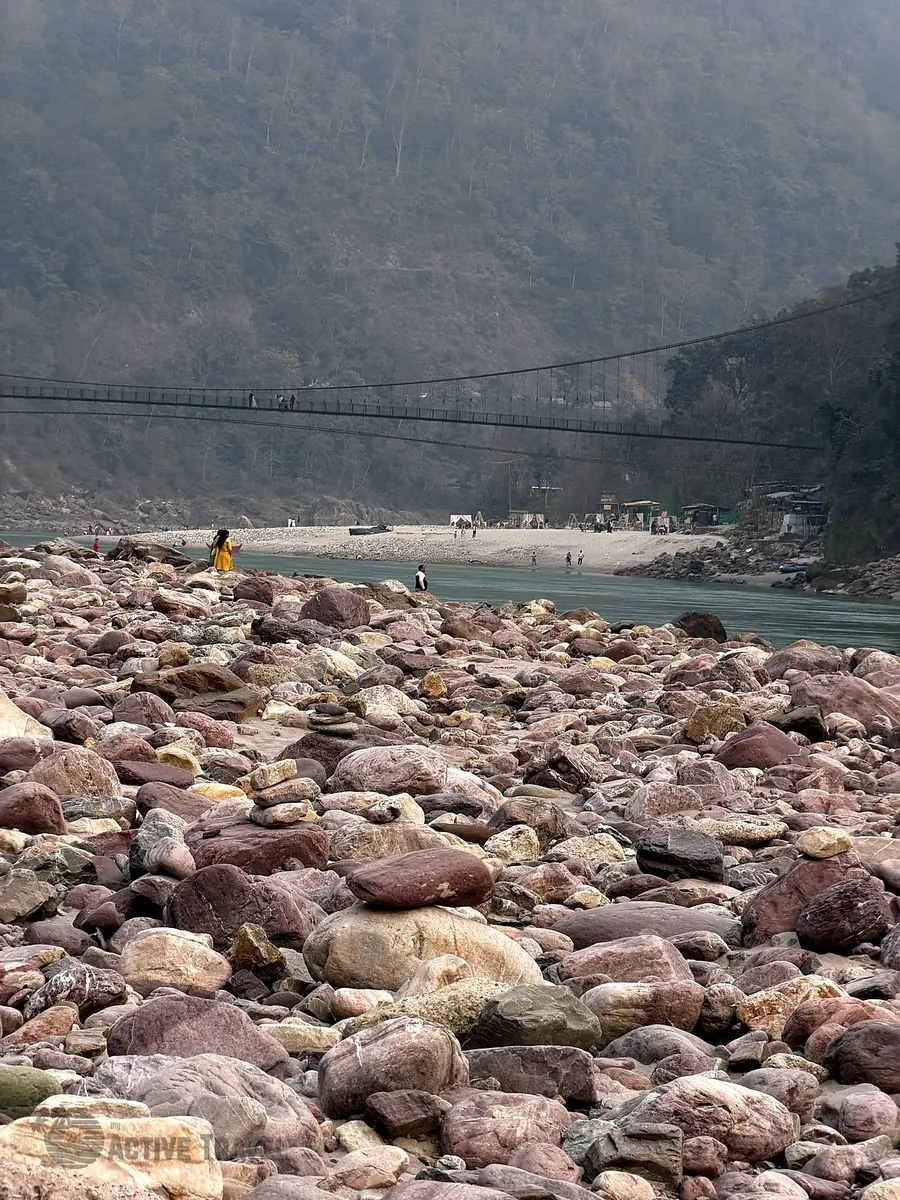
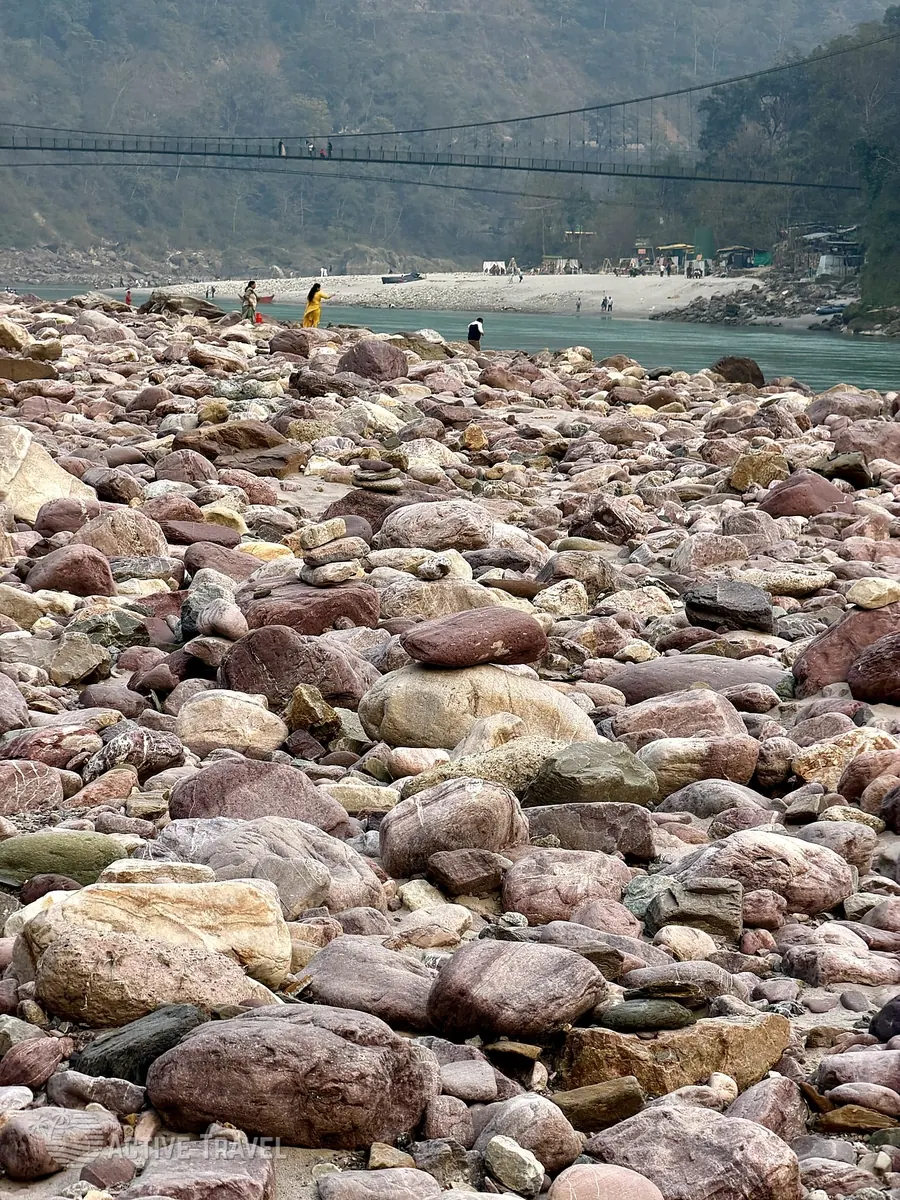
When the water is lower, wide banks of rounded boulders open up along the river. They make a great viewpoint for the suspension bridge in the haze, but the stones are uneven, so wear shoes with grip and keep well back from the water’s edge.
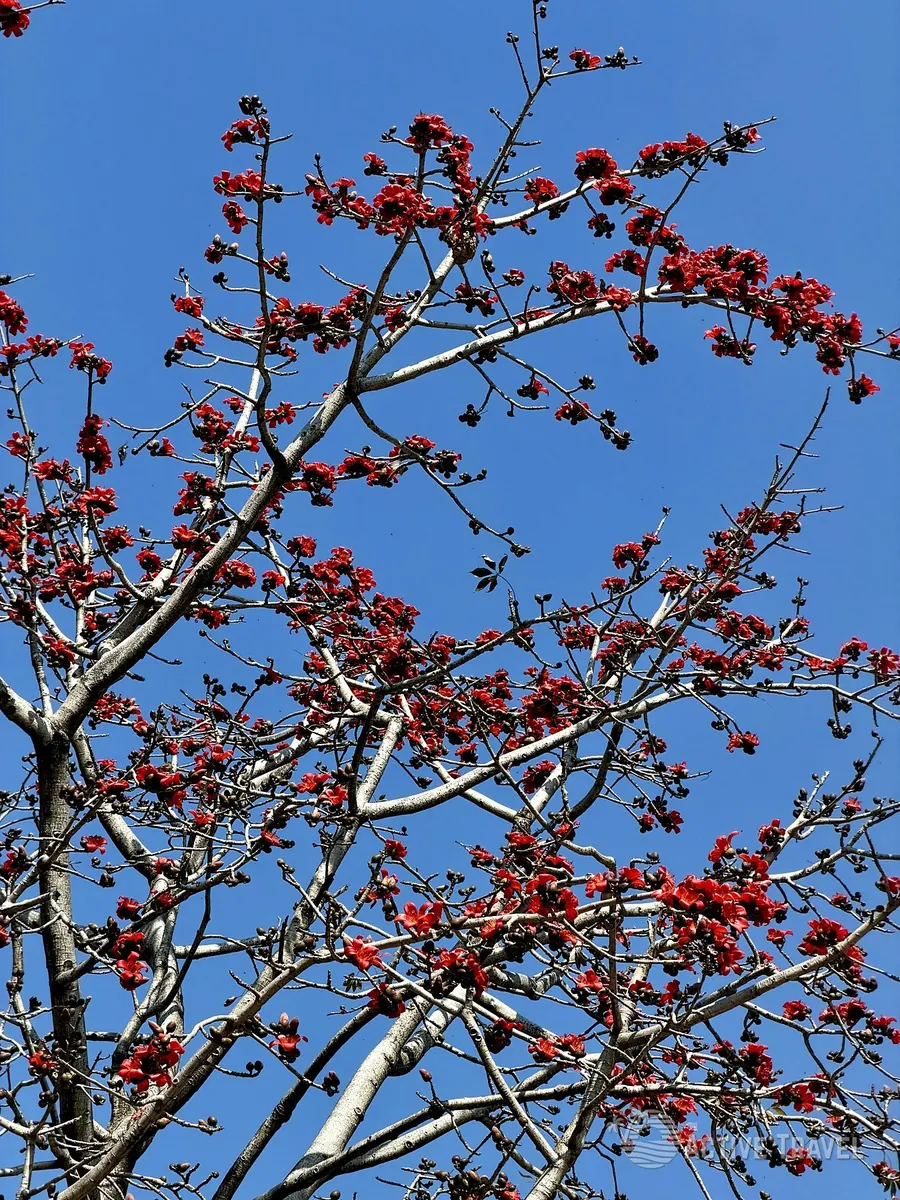
In February, bare trees covered in bright red blossoms stand out against a deep blue sky, a reminder that the season matters as much as the sights.
🧾 Tips & What to Pack
- Light layers: mornings and evenings can be cool, and the middle of the day warm.
- A scarf or shawl for temples, and shoes that are easy to slip off.
- Sun hat, sunscreen and a refillable water bottle (drink only sealed or filtered water).
- Shoes with grip for the river boulders and ghat steps.
- A power bank and a small bag for valuables; cash for small purchases.
- Quick-dry clothes if you plan to go rafting.
🍴 Local Highlights & Cuisine
North Indian food is a highlight in itself. Many restaurants in these pilgrimage towns serve vegetarian food only, so expect plenty of dal, fresh breads, vegetable curries and sweets. Street snacks and tea are everywhere, but choose busy stalls with fresh food and sealed water. In Rishikesh you will find riverside cafes and views to match.
📌 Quick Facts About North India’s Ganges Towns
- Country: India
- States: Varanasi and Ayodhya in Uttar Pradesh, Rishikesh in Uttarakhand
- Rivers: the Ganges at Varanasi and Rishikesh, the Sarayu at Ayodhya
- Language: Hindi is widely spoken, and English is understood in many tourist areas
- Currency: Indian rupee
- Emergency number: 112
- Entry: most visitors need a visa, so check the current rules for your passport
What I learned on the Ganges
- Go to the river at the golden hours: sunrise and sunset are when the ghats and the water look their best.
- See Varanasi from a boat, not only from the steps.
- Ayodhya is at its most atmospheric at night, when the gateways are lit.
- In Rishikesh, watch the rafts from the bank first and ask about safety gear before you book.
- Take shoes you can slip off and wear on rough stones.
- Carry small notes and agree prices before every ride.
✈️ Getting There — Flights & Trains
Airports
- Varanasi: the city has its own airport (Lal Bahadur Shastri International Airport, VNS) with domestic connections. Taxis and app-based cabs run into the city.
- Ayodhya: Ayodhya has an airport of its own (Maharishi Valmiki International Airport Ayodhya Dham, AYJ). Flights and schedules change, so check the current timetable.
- Rishikesh: the nearest airport is Jolly Grant Airport near Dehradun, roughly 20 to 35 km away depending on where in Rishikesh you are heading, which is about 30 to 45 minutes by road.
Rail and Road
India’s rail network links all three places, and trains are a popular, affordable way to move between cities. Book well ahead for popular routes, and check the current timetable and class options on the official railway booking sites. Ayodhya and Varanasi are both in Uttar Pradesh, so they connect easily by road or rail. Rishikesh is far to the north-west, so most travellers fly or take an overnight train and then a road transfer.
Getting Around
In the old parts of Varanasi and Ayodhya the lanes around the ghats are best covered on foot, with auto-rickshaws or taxis for longer hops. In Rishikesh the river area is walkable, and the suspension bridges are for pedestrians and two-wheelers.
🧭 Safety — Crowds, Water & Rafting
- Crowds. Evenings at the ghats and temple gateways can be very busy, as the lit-up gateway in Ayodhya showed. Keep valuables close and agree a meeting point if you travel in a group.
- River conditions. Only bathe where locals do and where steps and railings are present, and never swim in high or fast water. In Rishikesh the Ganges is cold and powerful.
- Rafting. Use a licensed operator with a trained guide, helmets and life jackets for everyone. Rafting is usually suspended during the monsoon, and exact dates change from year to year, so check current notices before you book.
- Touts and prices. Agree prices for boat rides and rickshaws before you start, and use official ticket counters where they exist.
- Dress and behaviour. Dress modestly at temples, remove shoes where asked and check the rules on photography before you take out your camera.
- Emergencies. The national emergency number in India is 112. Travel insurance is strongly recommended.
✨ In Summary
Varanasi, Ayodhya and Rishikesh show three sides of North India: river, ritual and adventure. Plan about a week, fly or take the train between the cities, check the season and the safety notices, and keep your plans flexible. If you would like help planning a similar trip, get in touch and we will help you plan it.