
Osaka is Japan’s food capital and one of its most relaxed big cities: friendly, easy to get around and full of things to eat. A short stay is enough for the highlights, from the neon food streets of Dotonbori to the skyline at sunset and the futuristic pavilions on Yumeshima island. This guide covers three days in Osaka in spring: what to see, how to get around, what to pack and how to stay safe.
🌍 Why Visit Osaka Now?
Spring is a lovely time in Osaka. Cherry trees bloom along riverbanks, parks and even quiet side streets, the days are mild and the light is good for city views. Osaka also makes a handy base for day trips to Kyoto, Nara and Kobe, so it fits easily into a longer Japan trip.
🍜 Dotonbori and a Taste of Osaka
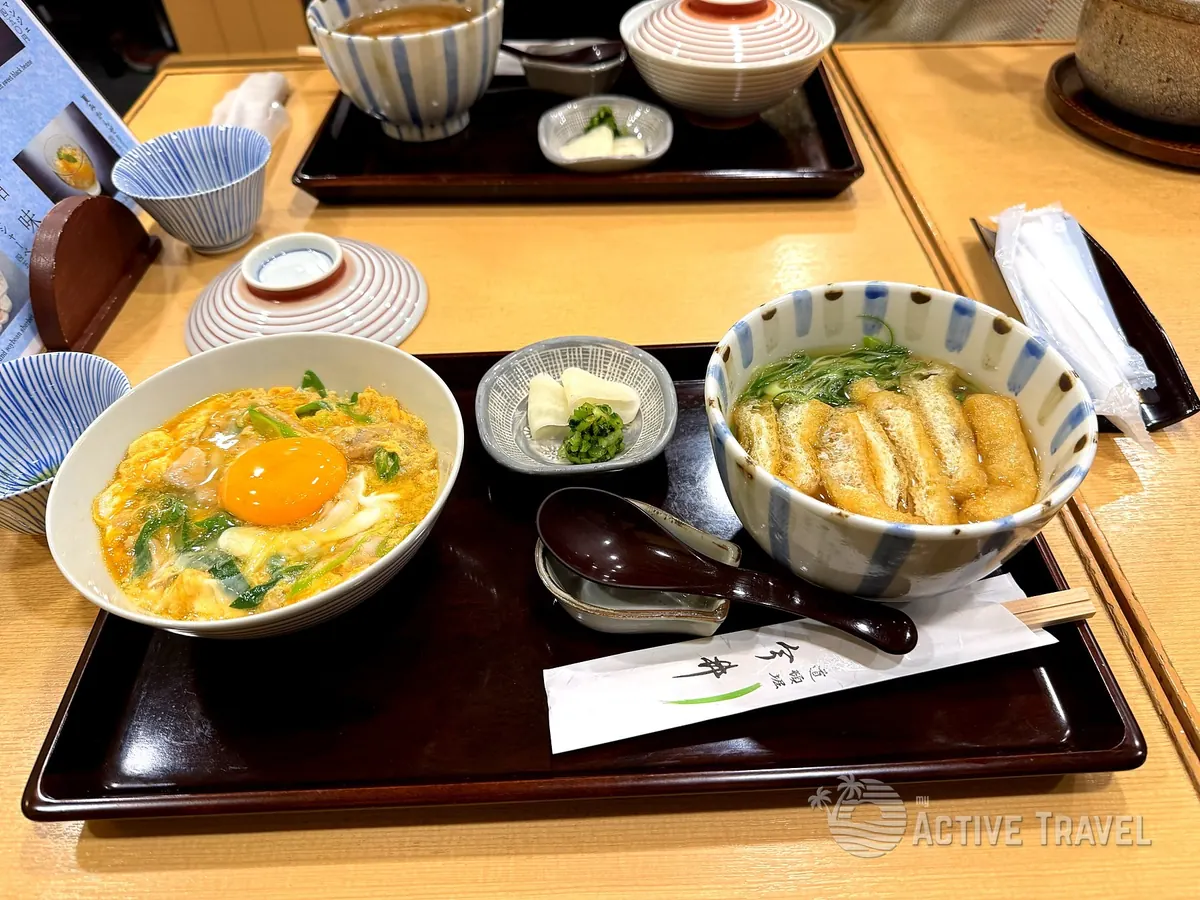
Osaka’s nickname is the kitchen of Japan, and the Dotonbori area is the place to start. Walk the canal-side streets in the evening, when signs light up, and choose a small restaurant for a set meal. A simple lunch of a rice bowl topped with egg, plus a bowl of noodles with fried tofu, is filling, affordable and typical of the city.
🌸 Blossoms on Quiet Streets
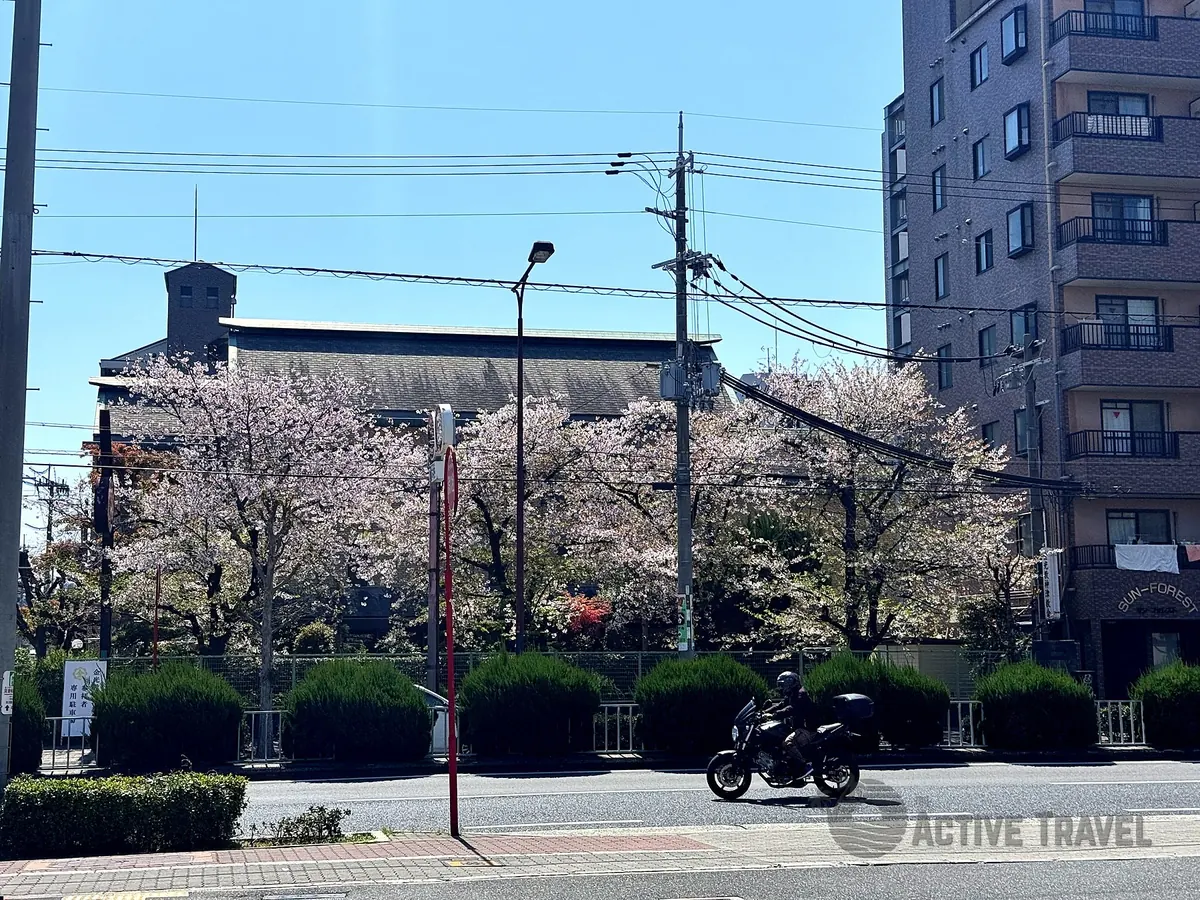
You do not need a famous park to enjoy the blossoms. Walk away from the centre and you will find cherry trees along ordinary residential streets, framed by apartment blocks and power lines, a very Japanese kind of beauty. Go in the morning, when the streets are quiet.
🌇 Skyline at Sunset
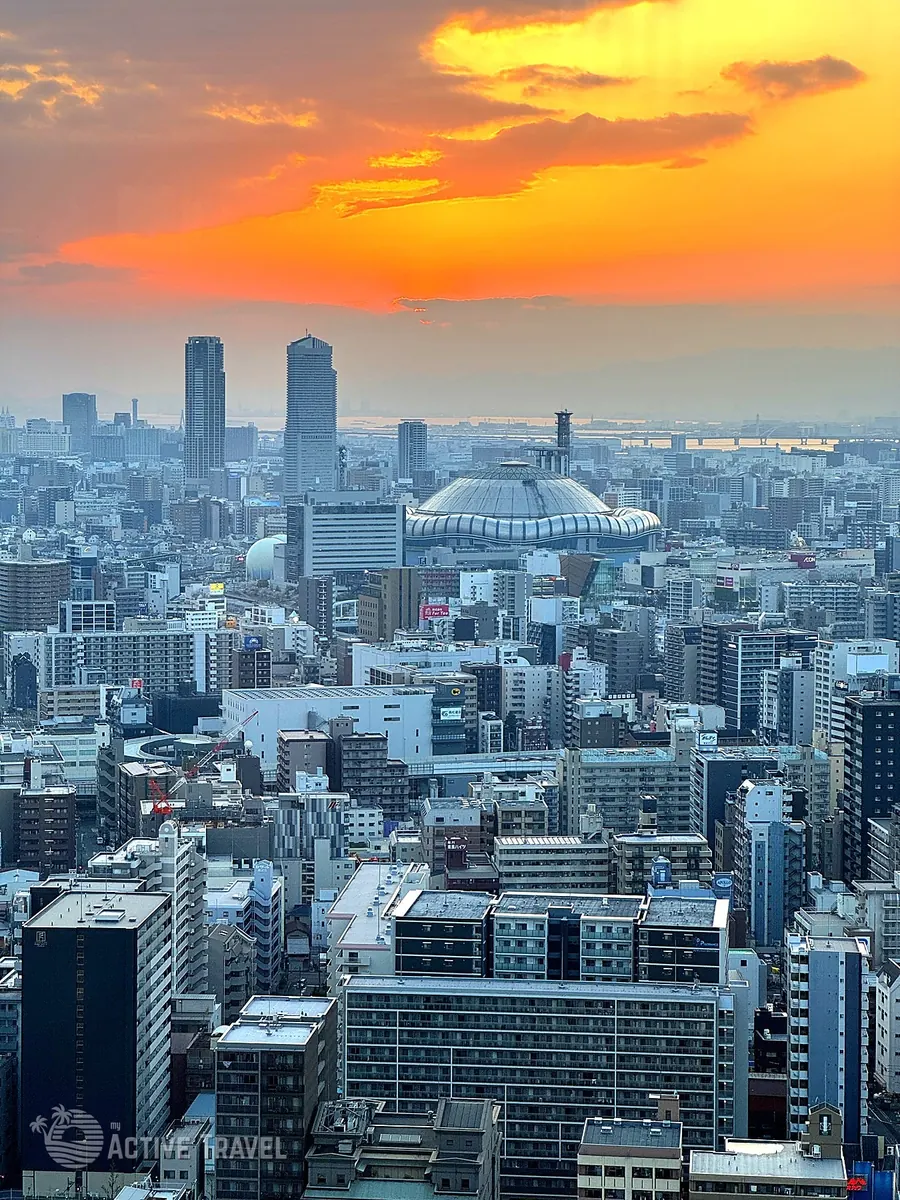
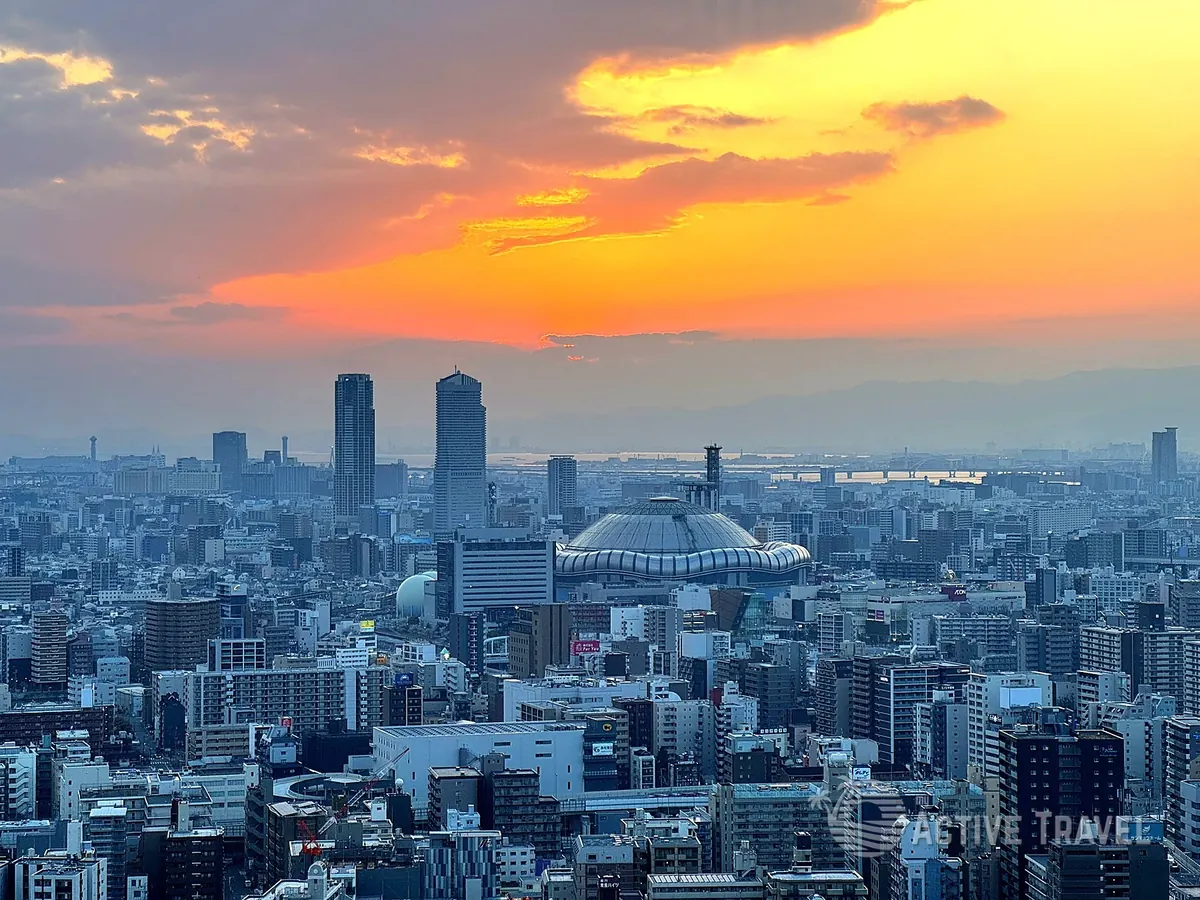
Osaka is flat and densely built, so a high viewpoint shows the city at its best. Many tall buildings have observation decks, and a window in a high-rise hotel works too. Arrive about an hour before sunset and watch the sky turn orange behind the towers and the bay.
🏗️ The Expo Site on Yumeshima
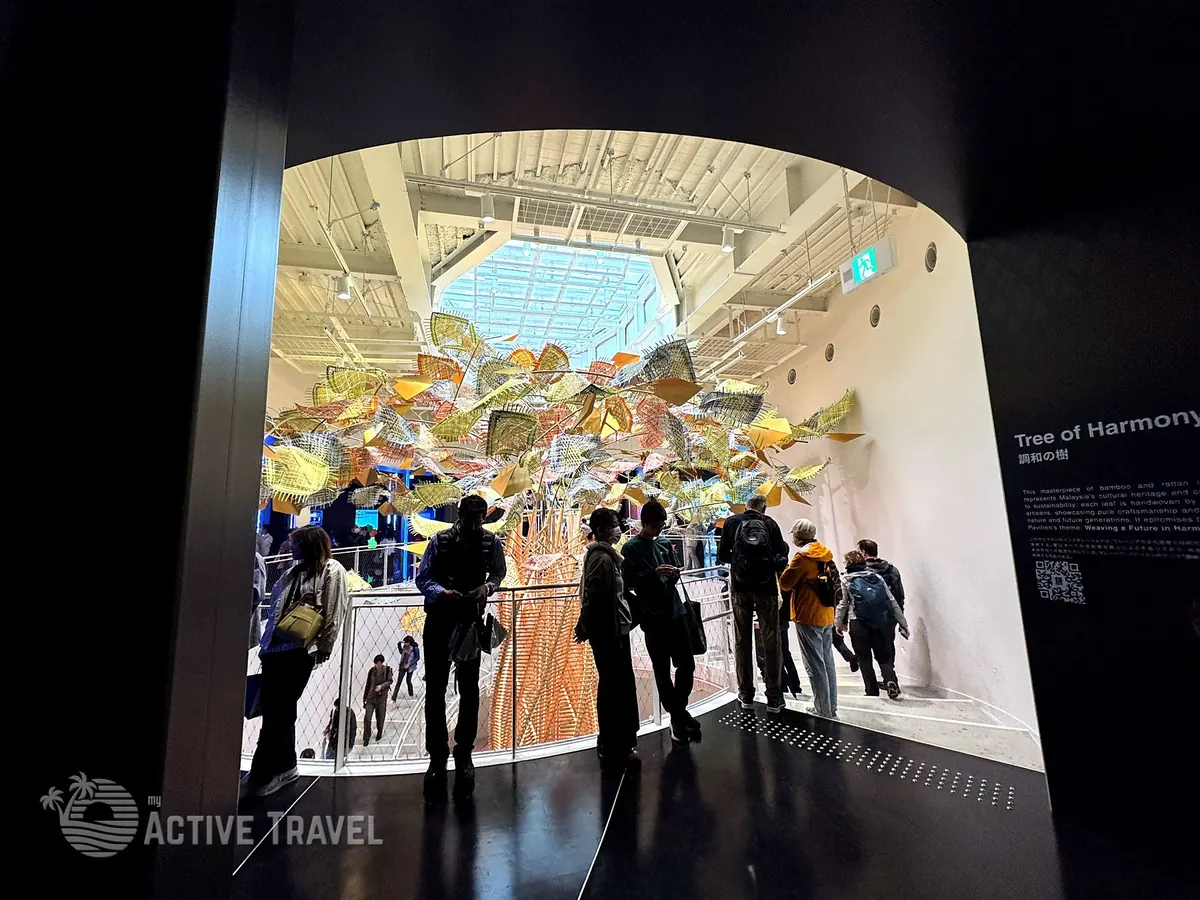
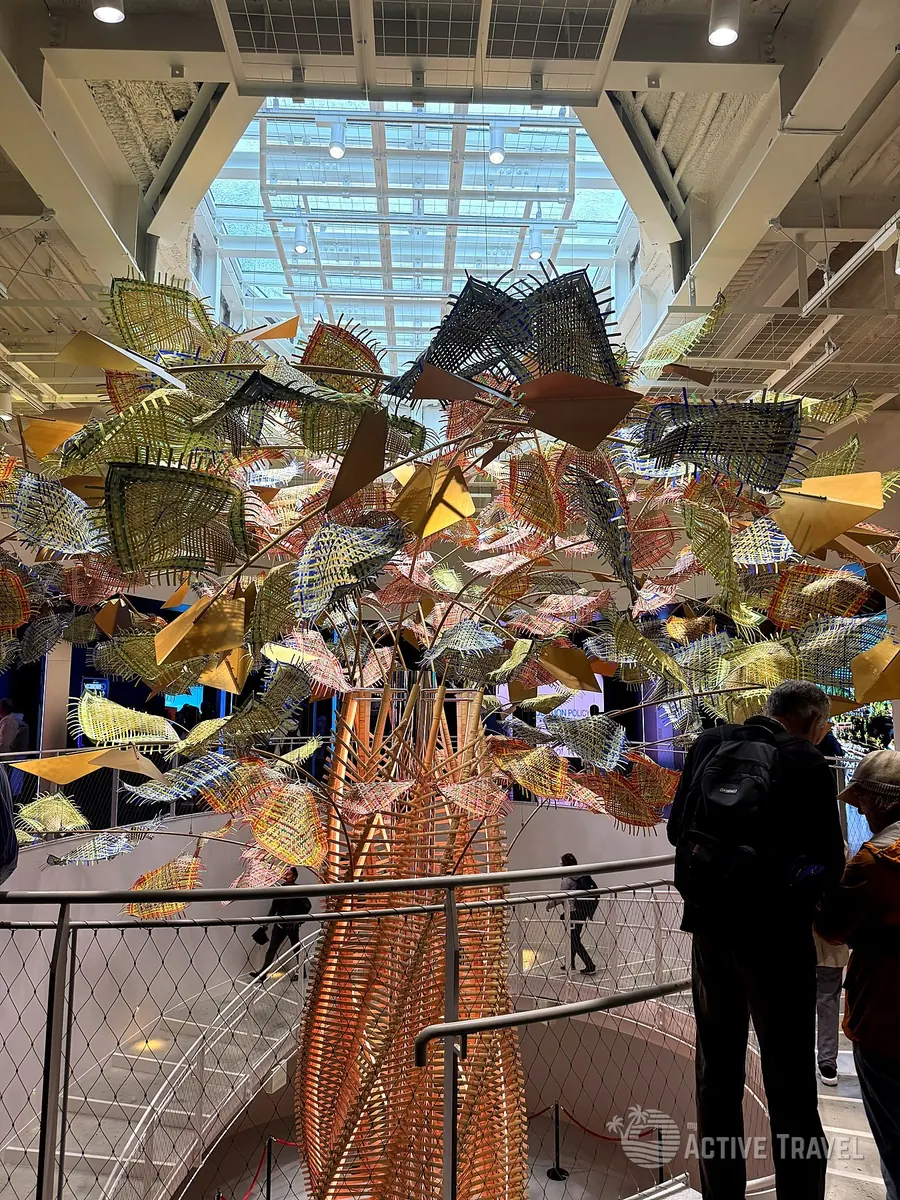
Out on Yumeshima, an island in Osaka Bay, the World Expo site is a short ride from the city by metro. The pavilions are full of art and technology, such as the Tree of Harmony, a large hanging installation of golden panels and copper tubes. The Expo is a temporary event, so check the official website for opening dates, tickets and what is open before you go.
🧾 Tips & What to Pack
- Comfortable shoes: you will walk a lot, and some stations are big.
- A light jacket and an umbrella, since spring weather changes.
- An IC card (ICOCA, Suica or similar) for metro, trains and many shops.
- Cash in yen: some small restaurants and stalls are cash only.
- A reusable bag and hand wipes for street food.
- A phone with offline maps and a translation app.
🍴 Local Highlights & Cuisine
Try takoyaki (octopus balls), okonomiyaki (savoury pancakes), kushikatsu (deep-fried skewers) and udon with fried tofu. Look for lunch sets, which are the best value. Eat standing at a stall if you like, but do not walk while eating in crowded streets.
📌 Quick Facts About Osaka
- Country: Japan, in the Kansai region
- Language: Japanese; English signs are common at stations and major sights
- Currency: Japanese yen
- Getting around: Osaka Metro, JR lines and private railways
- Day trips: Kyoto, Nara, Kobe and Himeji
- Emergency numbers: 110 police, 119 fire and ambulance
What I learned on Osaka
- Plan meals first and sights second: the food is the main event.
- Lunch sets are cheaper than dinner and just as good.
- Look for blossoms on side streets, not just in parks.
- Book Expo tickets and any time slots ahead.
- Pack a light layer for evenings on high viewpoints.
✈️ Getting There — Flights & Trains
Airports
- Kansai International (KIX) is the main international airport, with rail links to the city. Itami (ITM) serves domestic flights. Flights and schedules change, so check the current timetable.
Trains and Metro
Shin-Osaka station connects to the Shinkansen from Tokyo, Kyoto and Hiroshima. Inside the city, the Osaka Metro and JR lines cover almost everything. Check the official Osaka Metro website for the current route and fares to the Expo site.
Getting Around
Osaka is easy on foot in each district and well served by the metro between them. You do not need a car in the city.
🧭 Safety — Crowds, Weather & Earthquakes
- Crowds. Dotonbori and the Expo site can be very busy. Keep your belongings close and agree a meeting point.
- Weather. Spring is mild but can bring rain. Summer is hot and humid, so drink water.
- Earthquakes. Japan has frequent small earthquakes. Learn your hotel’s exit and follow local announcements.
- Traffic. Cyclists share many pavements, so look both ways.
- Emergencies. Dial 110 for police and 119 for fire or ambulance. Travel insurance is recommended.
✨ In Summary
Osaka rewards a short visit: great food, blossoms on quiet streets, a glowing skyline and a look at the future on Yumeshima. Eat well, use the metro and keep your plans flexible. If you would like help planning a similar trip, get in touch and we will help you plan it.