
São Miguel, the largest island of the Azores, packs crater lakes, wild lava coastlines, hot springs and a valley where the ground steams into just a few days. This guide covers what to see, how to get there, what to watch out for and what to pack.
🌍 Why Visit São Miguel Now?
São Miguel is green all year, with dramatic scenery that photographs even better in person. The island is compact: almost everything in the west is within an hour’s drive of Ponta Delgada, and direct flights make it a simple long weekend or a longer stay. The Azores are a UNESCO Global Geopark, and the island combines hiking, hot springs, seafood and a relaxed pace. Autumn brings fewer crowds and mild temperatures, while early summer is the time for hydrangeas in full bloom.
🗓️ São Miguel in Four Days — What to See
🏙️ Ponta Delgada: Where Most Trips Begin
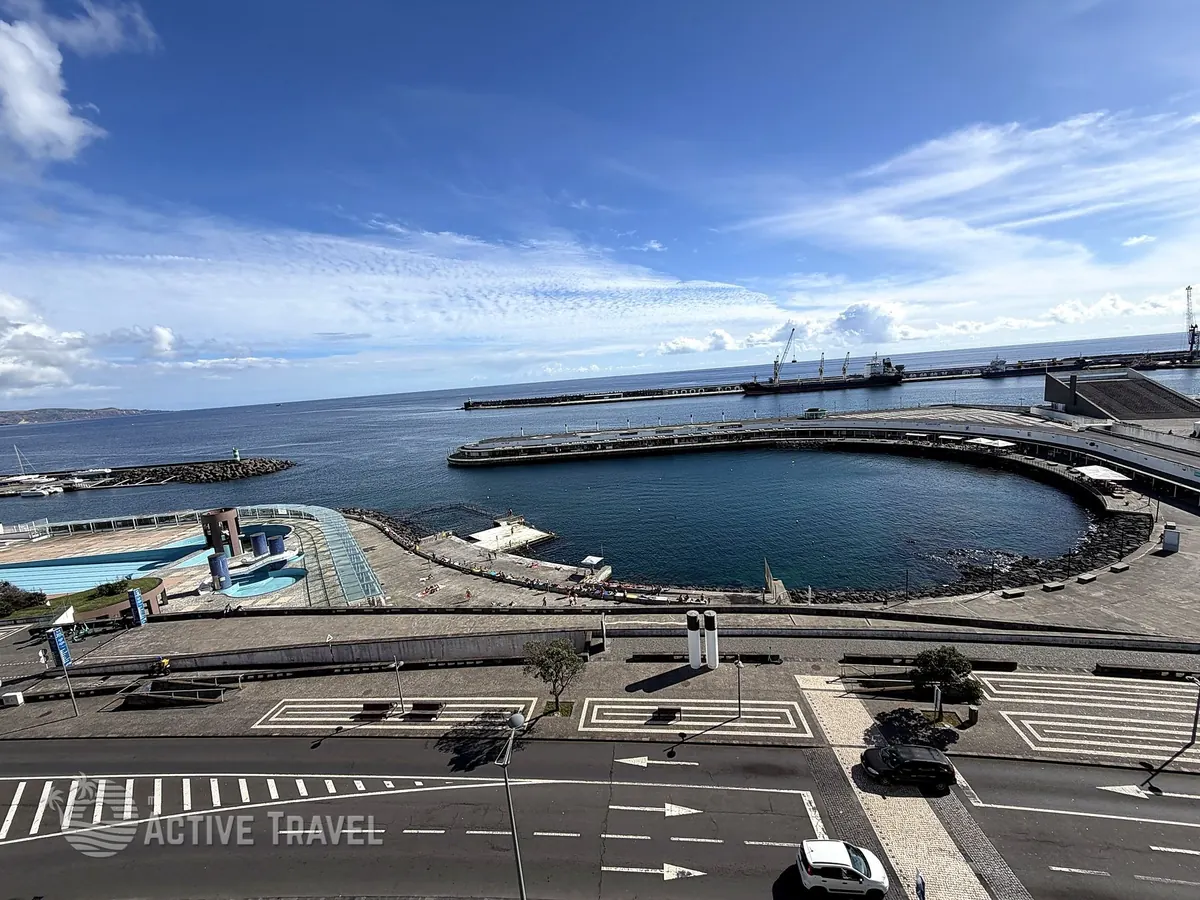
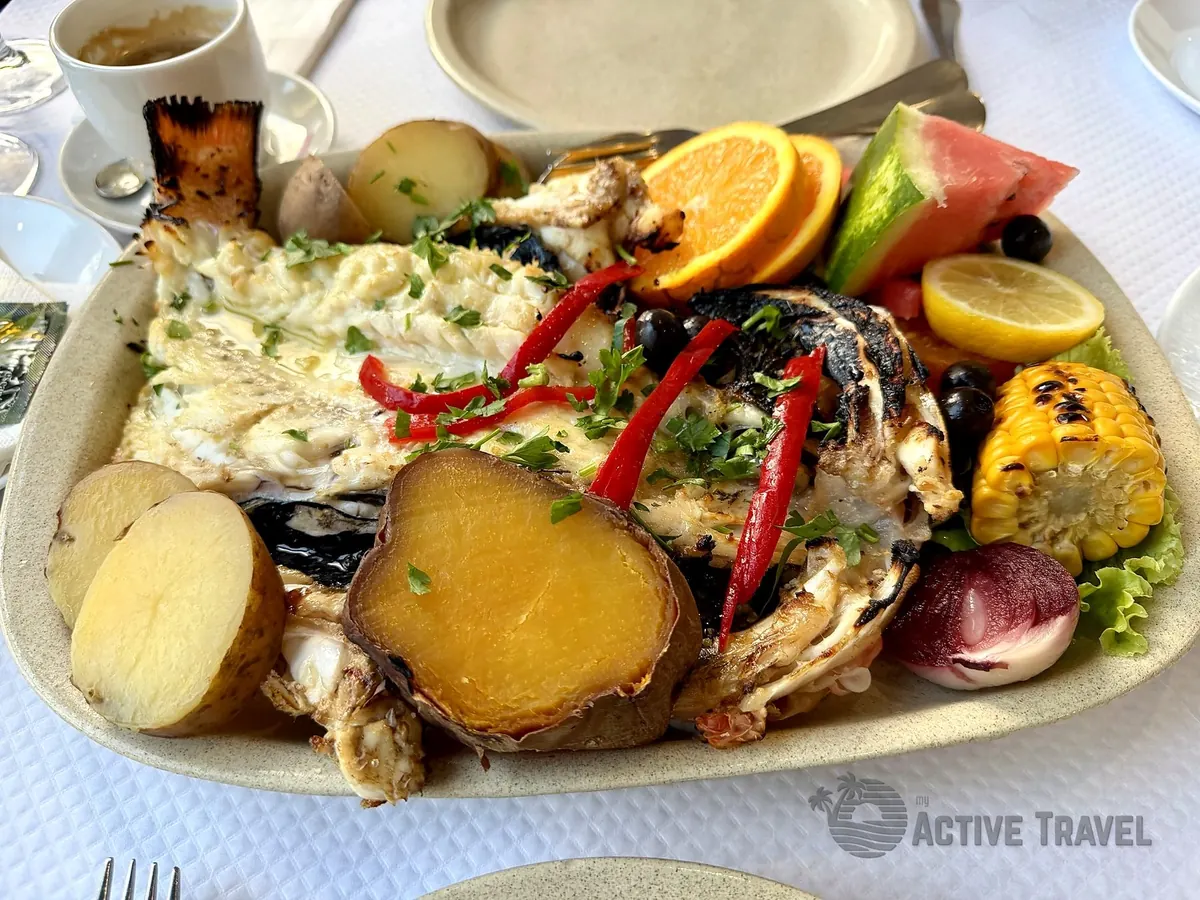
The capital is small and easy-going, with a long seafront and a harbour that is lovely in the afternoon light. It makes a good base for the west of the island. A first meal here often means a seafood platter with grilled fish, limpets, local sweet potato and corn.
🌋 Sete Cidades: The Famous View
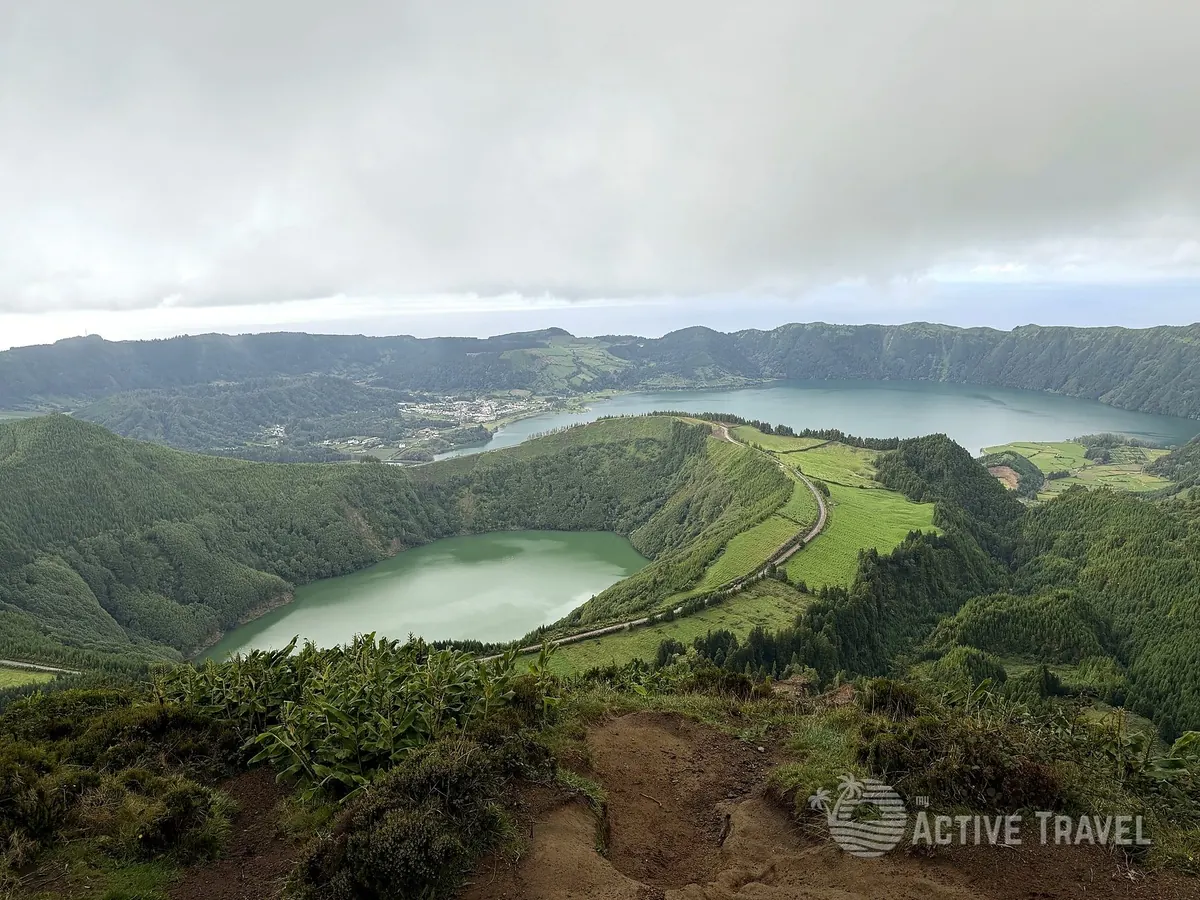
From the viewpoint above Lagoa de Santiago, a small green crater lake sits right below, and behind it the huge Sete Cidades caldera opens up with its twin lakes and the little village on the shore.
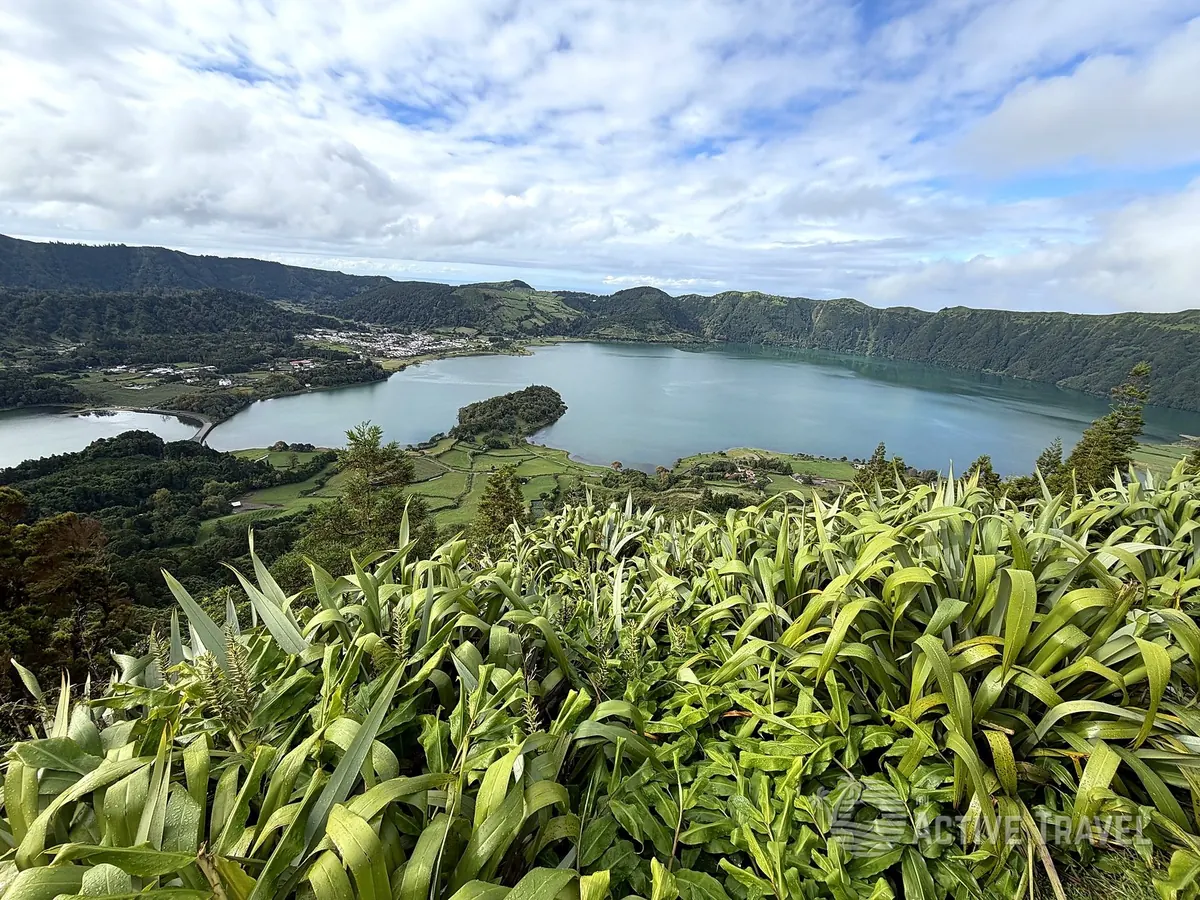
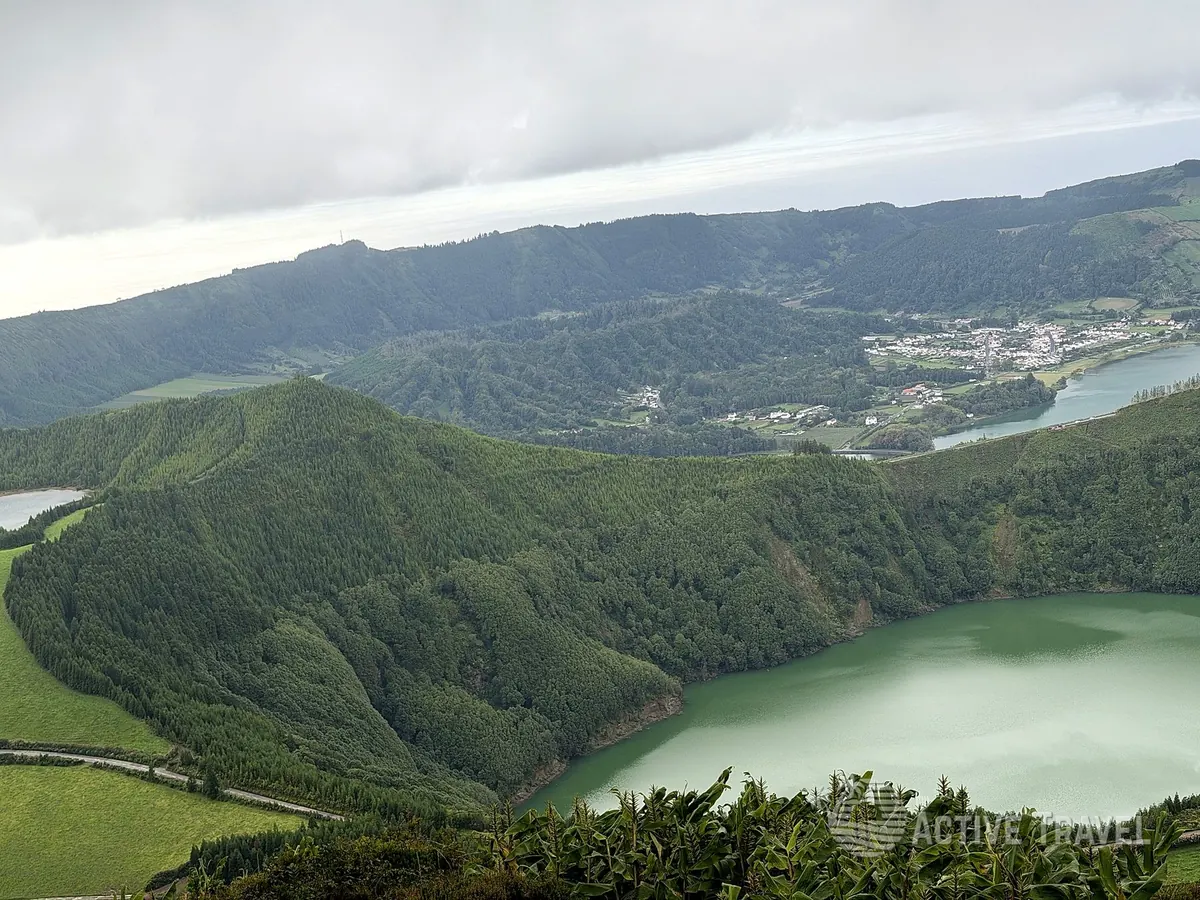
The clouds move fast here. One minute the whole caldera is clear, ten minutes later a white wall rolls over the rim and the view is gone. Check the webcams, go early, and if it is clouded in, have a coffee and try again. It usually clears.
🌊 Ferraria: The Wild West Coast
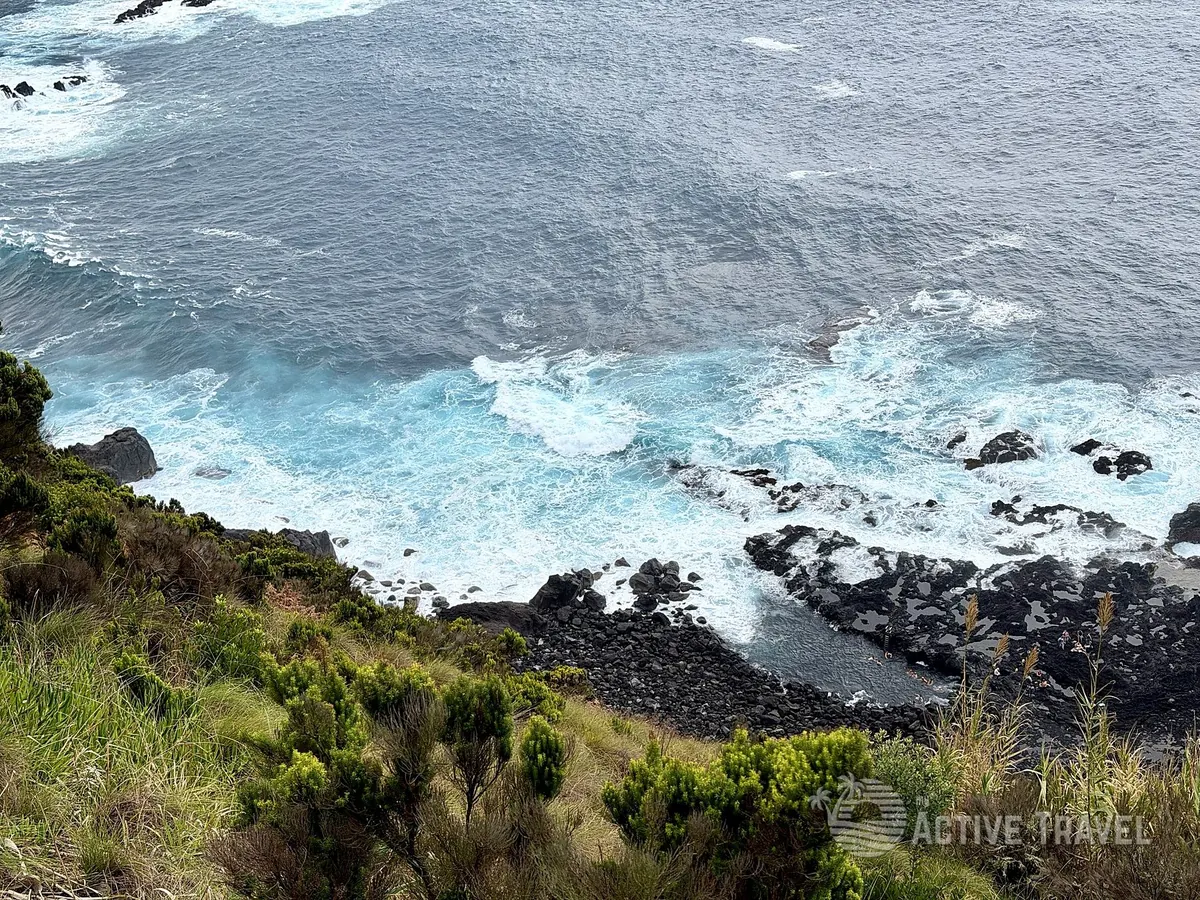
A short drive from Sete Cidades, the coast at Ferraria feels like the edge of the world. Green cliffs drop to black lava rock and the Atlantic throws itself at it with real force. Below is Ferraria’s famous hot spring, where warm volcanic water flows into a rocky ocean pool. It is warmest at low tide, so check the tide times first.
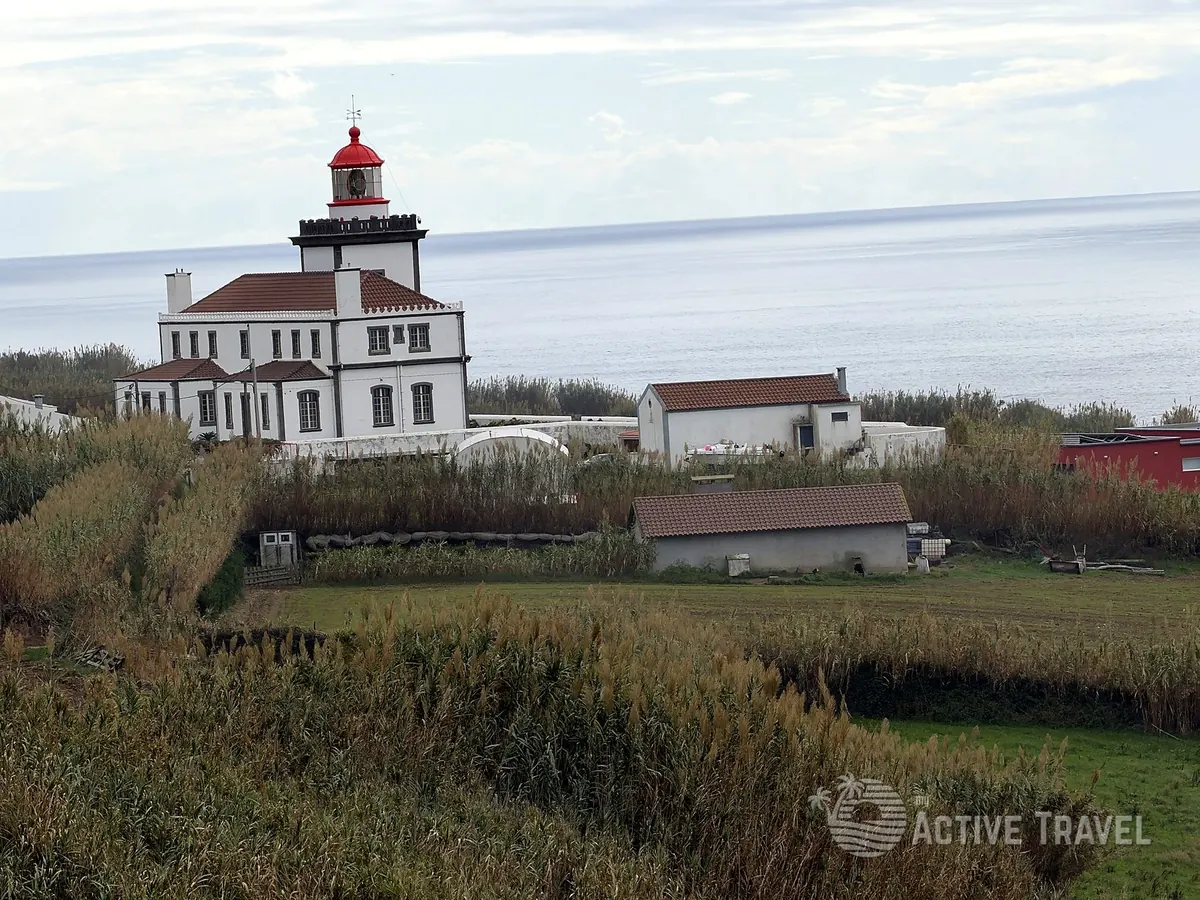
On the headland, the little Ponta da Ferraria lighthouse with its red lantern is a perfect place for the late light.
♨️ Furnas: Where the Ground Breathes
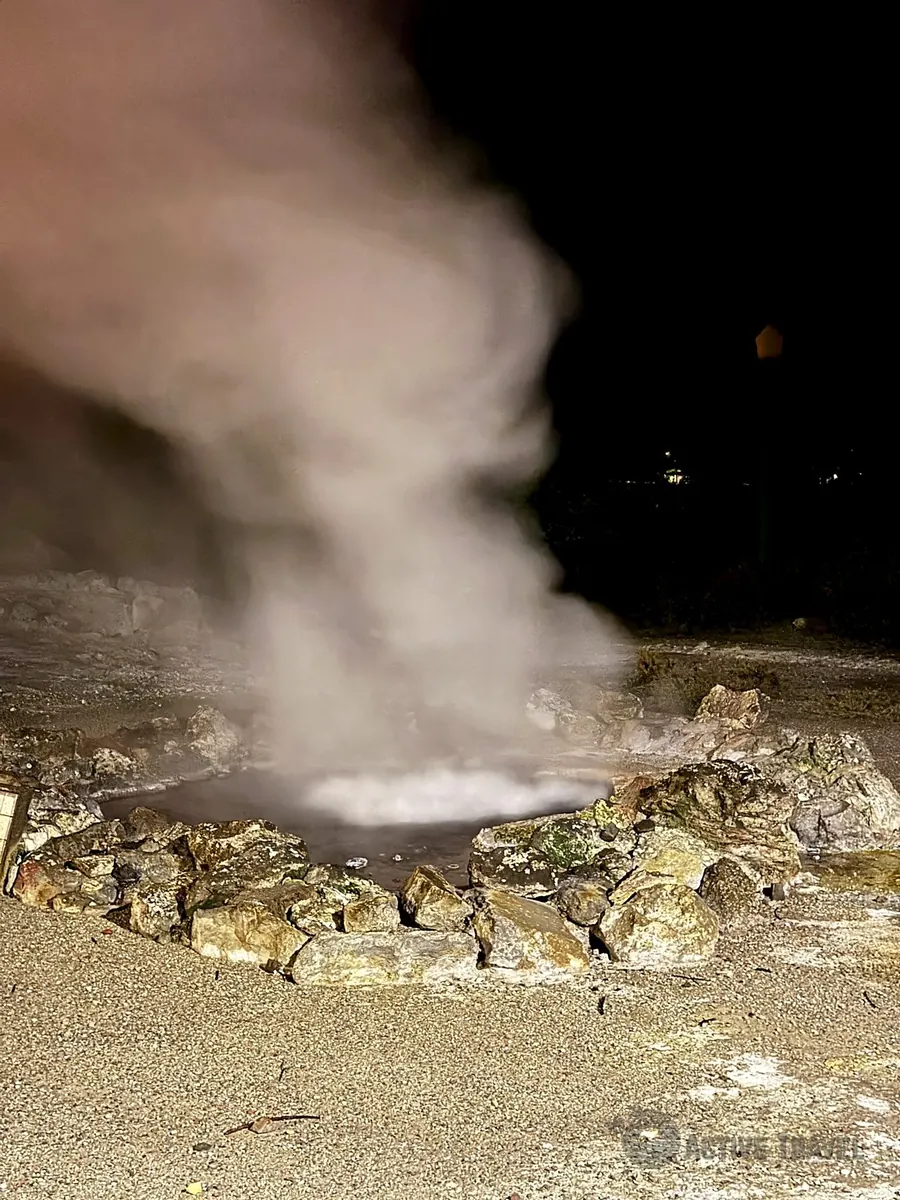
Furnas sits in an active volcanic valley, and you notice immediately: steam rising from the ground, bubbling hot springs next to the road and a faint smell of sulphur. Walking past the springs after dark, with clouds of steam glowing in the streetlights, is a memorable and slightly surreal moment. Locals cook cozido das Furnas, a hearty meat and vegetable stew, by burying the pot in hot volcanic ground for hours. It is a must-try at lunchtime.
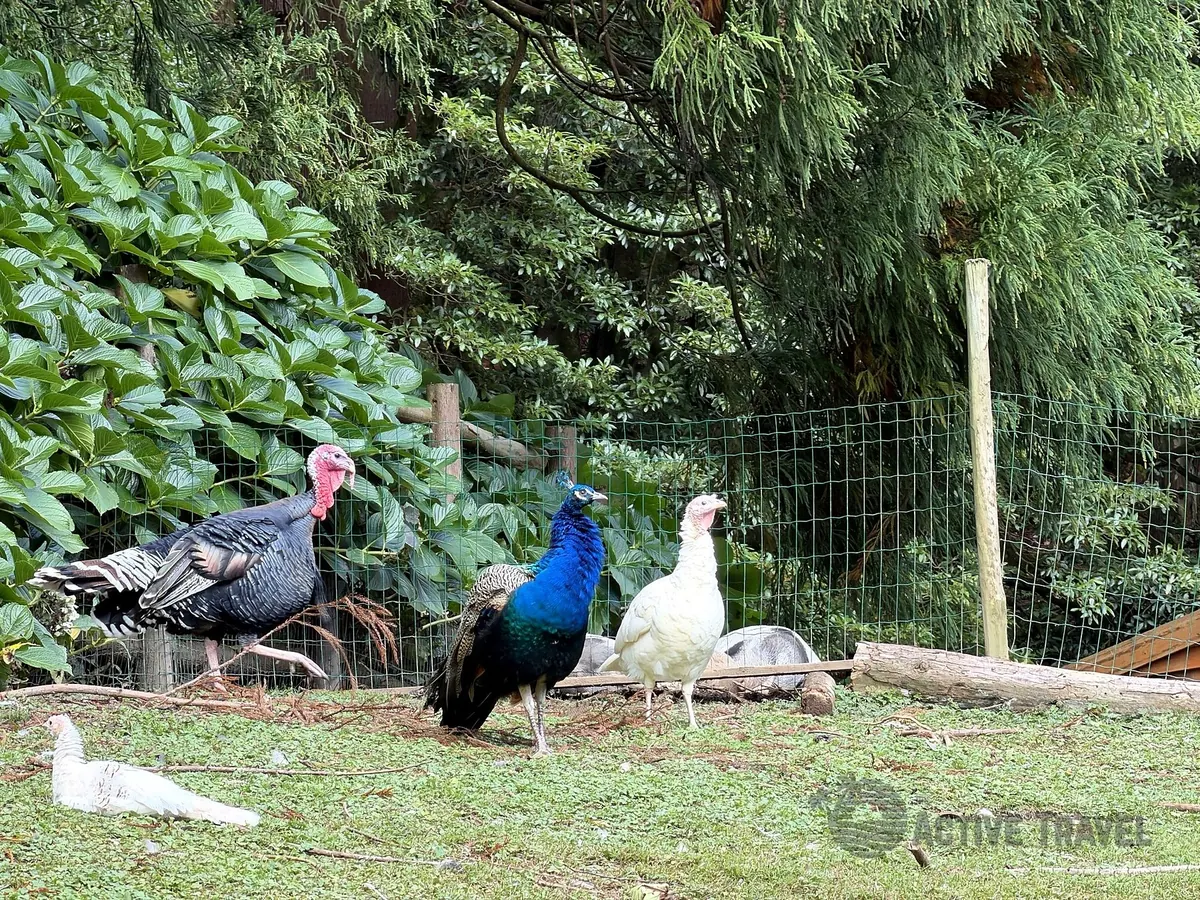
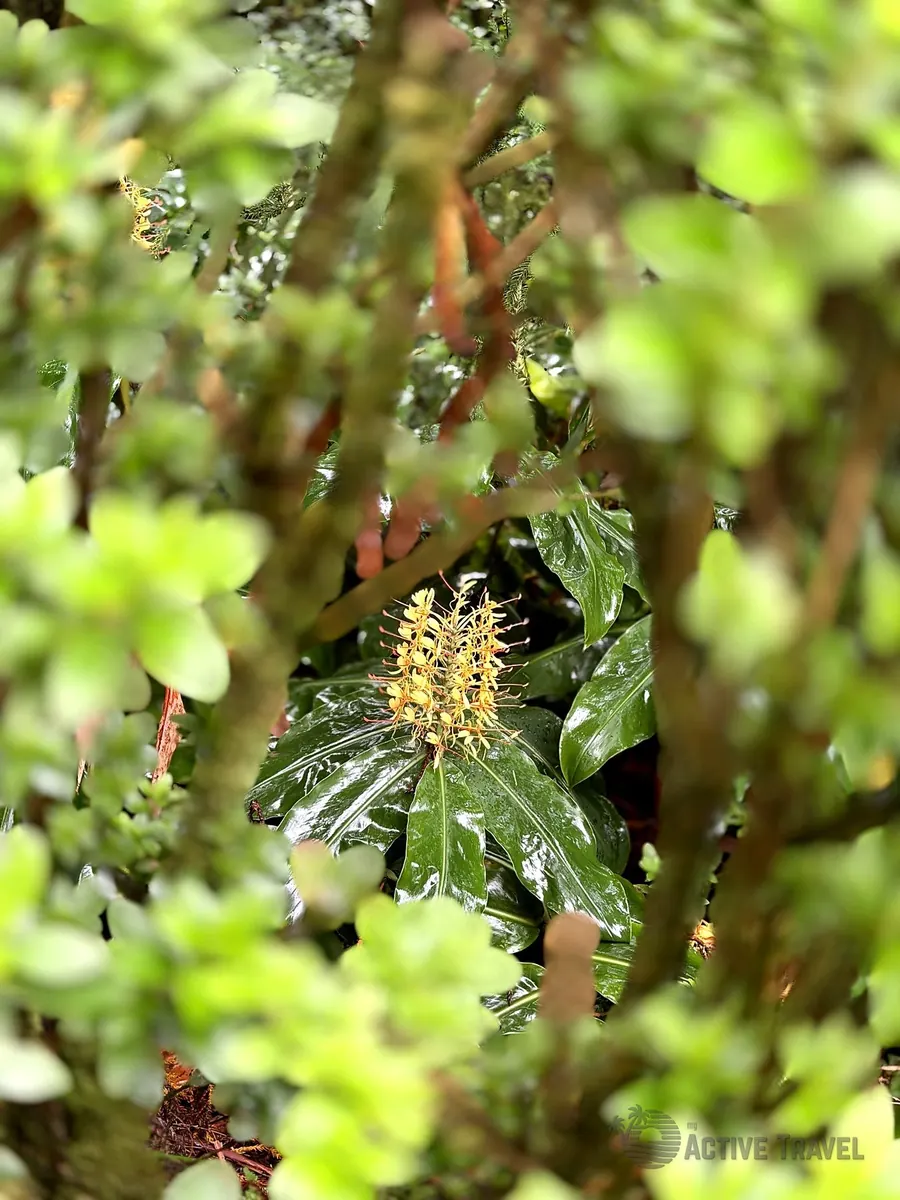
The forest around Furnas feels like a different world: wooden steps lead down to a waterfall, fallen trees are covered in thick moss, mushrooms grow along the path, and peacocks stroll past the hydrangeas.
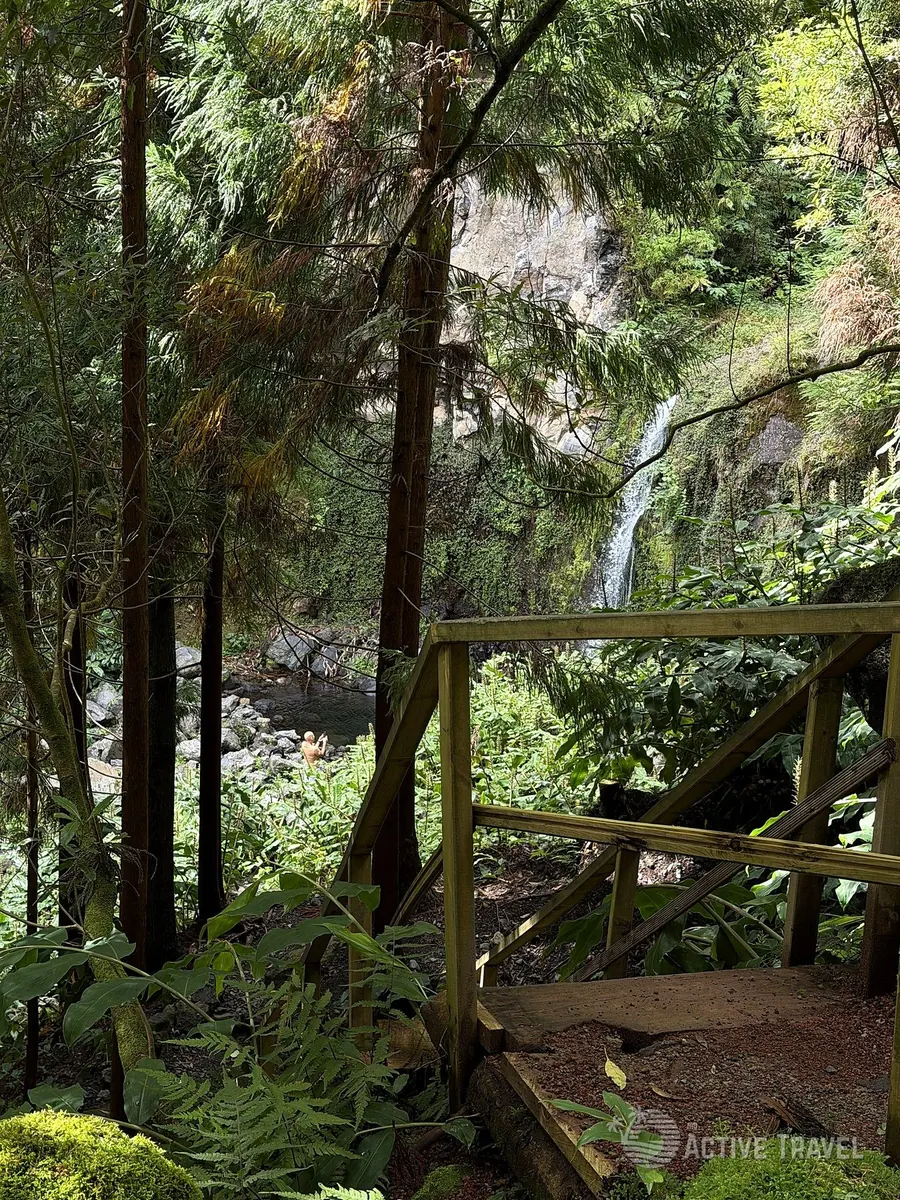
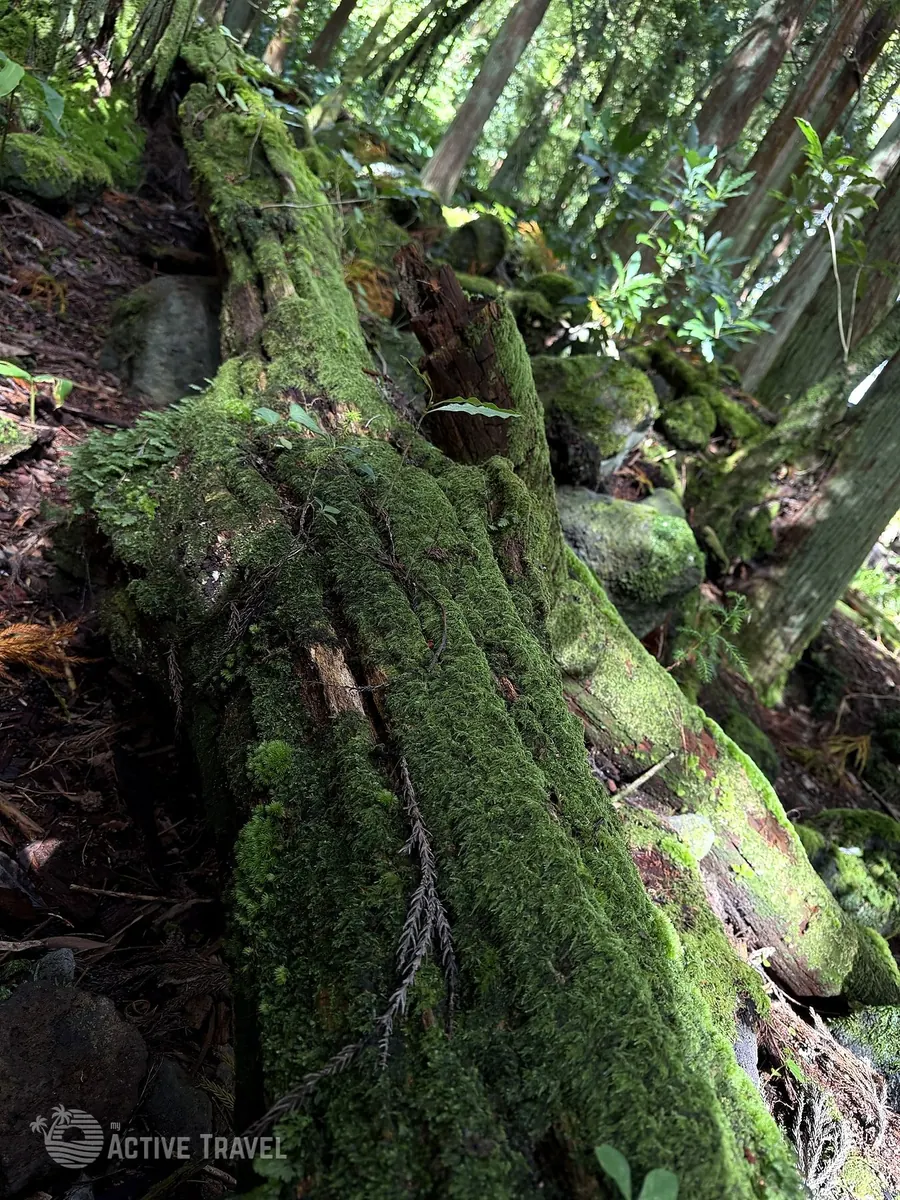
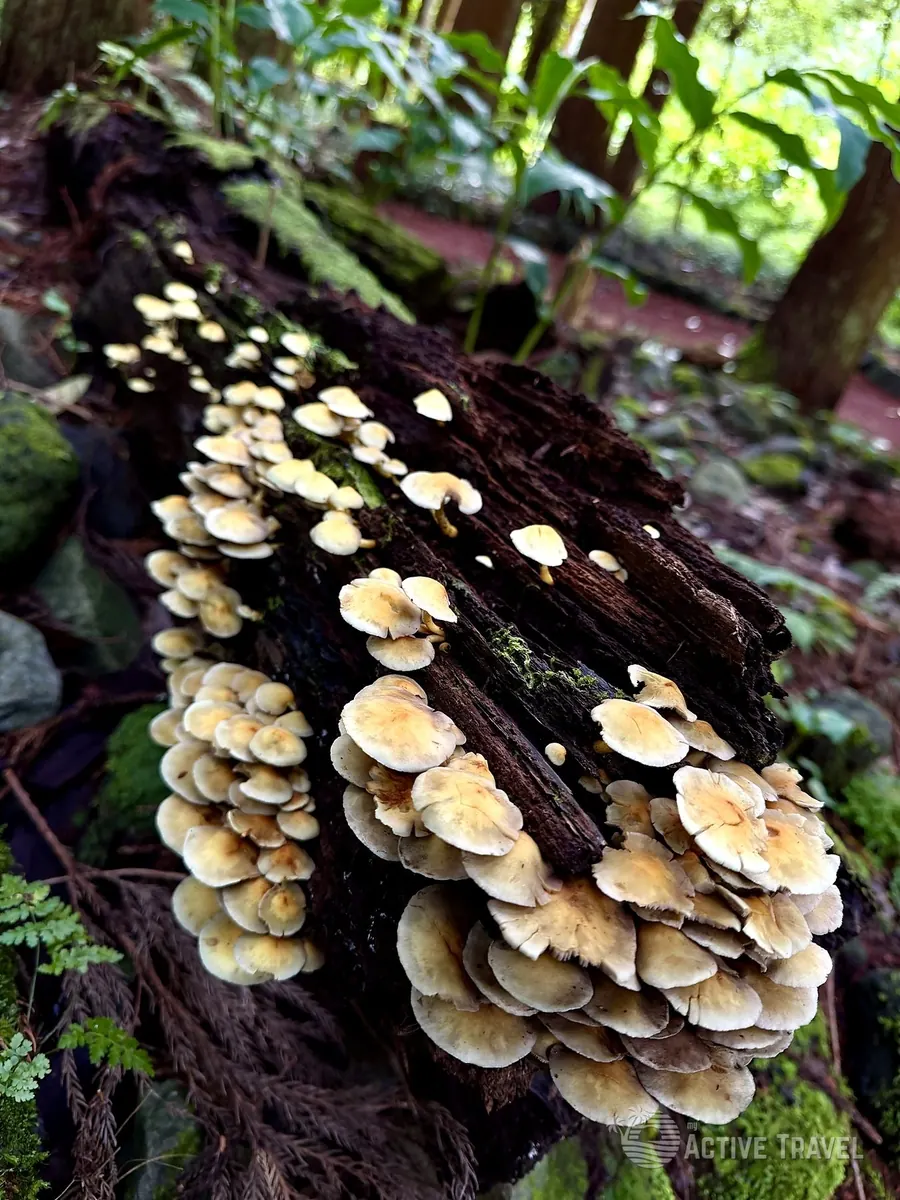
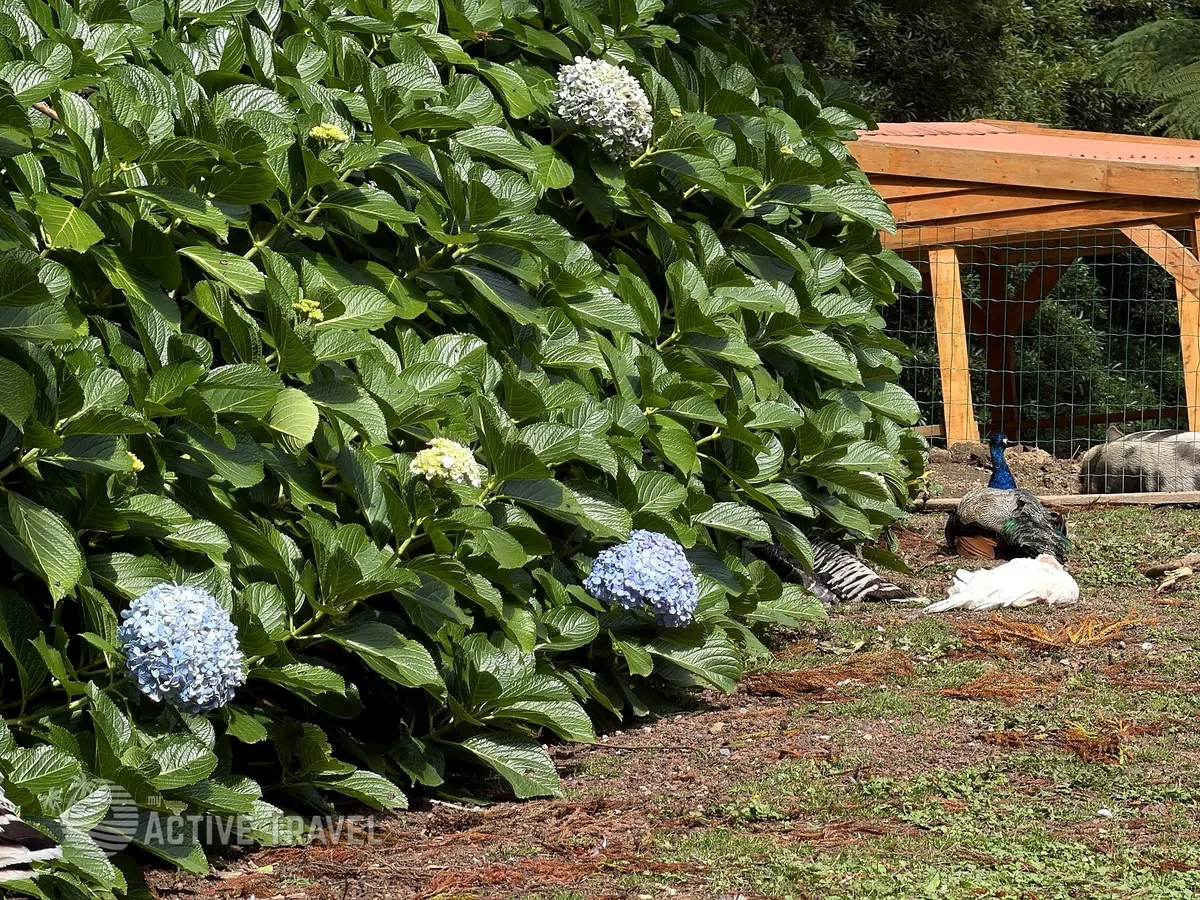
Pack a swimsuit. Furnas has several thermal pools with naturally warm, iron-rich water that turns a deep orange, so leave light-coloured swimwear at home.
🧾 Tips & What to Pack
- A rain jacket and layers: sun, cloud and rain can arrive in a single afternoon, especially at the crater rims.
- Waterproof walking shoes you do not mind getting muddy for forest trails and waterfalls.
- Swimwear and a towel for the thermal pools (and old swimwear for the iron-rich water).
- A rental car, booked ahead in busy periods.
- Plan four to five days, so there is spare time for the weather.
- Sun protection and a refillable water bottle, even on cloudy days.
- Travel insurance.
🍴 Local Highlights & Cuisine
- Cozido das Furnas: meat and vegetable stew slow-cooked underground in volcanic heat.
- Fresh seafood and limpets (lapas): grilled fish, limpets and local sweet potato are island staples.
- Bolo lêvedo: a soft, sweet griddle bread from Furnas.
- Azorean pineapple: grown on the island and sold in Ponta Delgada.
📌 Quick Facts About São Miguel
- São Miguel is the largest island of the Azores, an autonomous region of Portugal in the middle of the Atlantic, roughly 1,500 km west of Lisbon.
- The capital of the archipelago’s biggest island is Ponta Delgada. The currency is the euro and the language is Portuguese.
- The Azores are a UNESCO Global Geopark, shaped by volcanoes: three active central volcanoes sit on São Miguel, including Furnas.
- The Azores keep their own time zone, one hour behind mainland Portugal and the UK.
- Hydrangeas bloom in early summer, and the island is green all year.
What I would tell a friend before going
- Rent a car. Buses exist, but having our own car meant we could chase the clear skies from one viewpoint to the next. That made all the difference.
- Pack layers and a rain jacket. We had sunshine, cloud and rain in a single afternoon more than once, especially up at the crater rims.
- Give it at least four or five days. We were glad to have spare time for the weather. Rushing São Miguel would be a shame.
- October was a great time to go. Fewer crowds, mild temperatures and everything still green. If you want hydrangeas in full bloom, aim for early summer.
- Bring shoes you do not mind getting muddy. The best waterfalls and viewpoints are on forest trails.
✈️ Getting There — Flights & Ferries
Airports
- João Paulo II Airport, Ponta Delgada (PDL): the island’s main gateway, about 3 km from the city centre, and the busiest airport in the archipelago.
- From mainland Portugal: frequent flights from Lisbon and Porto, operated by Azores Airlines, TAP and low-cost carriers.
- From the UK and North America: seasonal direct flights run from London, and direct services from North America such as Boston and Toronto. Routes and seasons change, so check the current schedule.
Between the Islands
Inter-island flights with SATA Air Açores connect São Miguel to the other islands, and schedules vary by season. In winter, getting to the smaller islands can mean changing in Ponta Delgada.
Getting Around
A rental car is the best way to see the island. Buses exist, but a car makes it easy to chase clear skies from one viewpoint to the next. Taxis and ride-hailing apps cover Ponta Delgada, while outside the city a car is the only practical option.
🧭 Safety — Weather & Volcanic Landscapes
- Weather changes fast. Clouds move quickly: a crater can be clear one minute and hidden the next. Check the live webcams before driving to a viewpoint, go early, and come back later if it is clouded in.
- Volcanic ground. Furnas sits inside an active volcanic valley with steaming fumaroles and bubbling springs next to the road. The area is monitored, and it is safe to visit if you follow the signs and stay on marked paths and fences.
- Hot springs. Water in thermal pools and springs can be very hot. Use the designated pools, and check tide times for coastal springs such as Ferraria.
- Roads and trails. Mountain roads are narrow, and forest trails are muddy and slippery after rain.
- Emergencies. 112 is the emergency number across Portugal. Travel insurance is recommended.
✨ In Summary
São Miguel rewards a flexible plan: volcanic craters, wild coasts, hot springs and forests that change with the weather. Rent a car, pack layers, keep a few days spare and check the webcams before heading up to the viewpoints. Next stop on the trip: Madeira: Ancient Laurel Forests, Lava Pools and the Charm of Funchal.
Planning your own trip to the Azores? Get in touch and we will help you put together an itinerary that suits you.