
Madeira is the kind of island that keeps surprising you. Ancient laurel forests, black volcanic swimming pools, misty levada trails and a capital that climbs the hillside like an amphitheatre: all of it fits into five well-spent days. This guide covers what to see, how to get there, what to watch out for and what to pack.
🌍 Why Visit Madeira Now?
Madeira is a spring-like island in the Atlantic that works all year round, with mild temperatures in Funchal and green mountains a short drive away. The island is easy to reach from many European cities, small enough to see the highlights in a few days, and big on variety: forest walks, ocean swimming, gardens, food and a lively capital. Spring and autumn are good times to go for walkers, because the trails are less crowded than in peak summer.
🗓️ Madeira in Five Days — What to See
Splitting the stay makes everything easier. A night in Porto Moniz, for example, puts Fanal, the north coast and Rabaçal within easy reach without long drives back to Funchal.
🌳 Fanal: Walking Among Ancient Trees
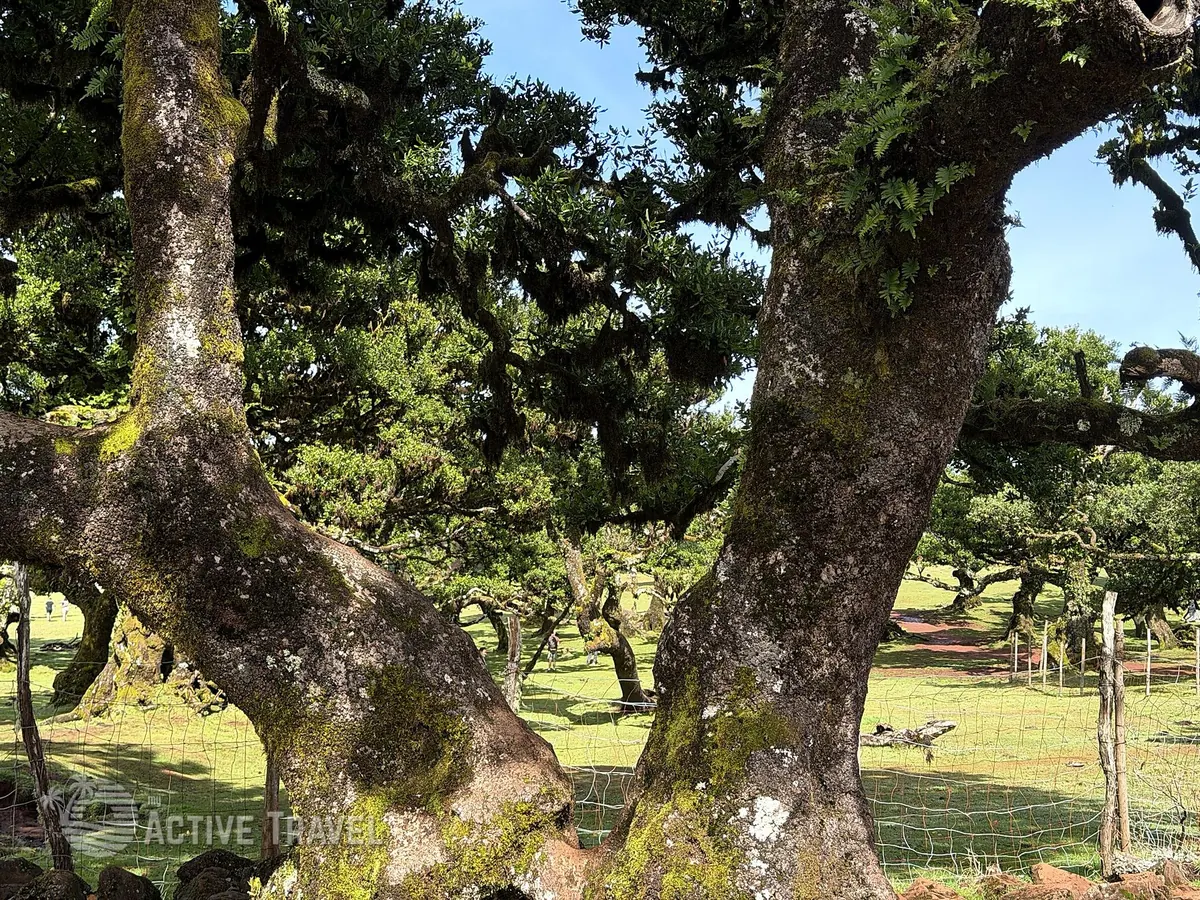
Fanal sits high on the plateau in the north-west and is one of the island’s most atmospheric places. The ancient til trees here are hundreds of years old, with twisted, moss-covered trunks that look like they belong in a fairy tale. They are part of Madeira’s laurel forest, the Laurisilva, which is a UNESCO World Heritage Site. Sun breaking through the branches is lovely, and on misty days the forest feels even more magical.
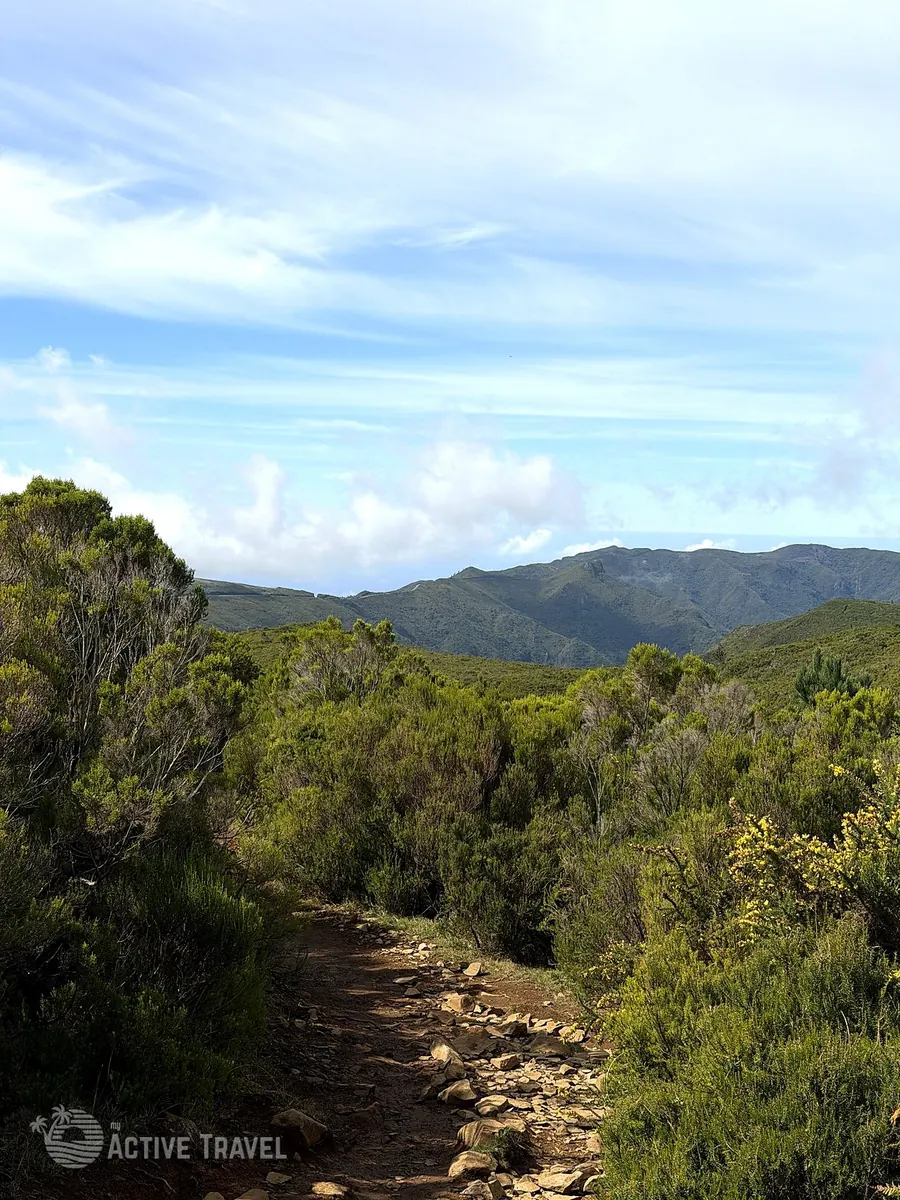
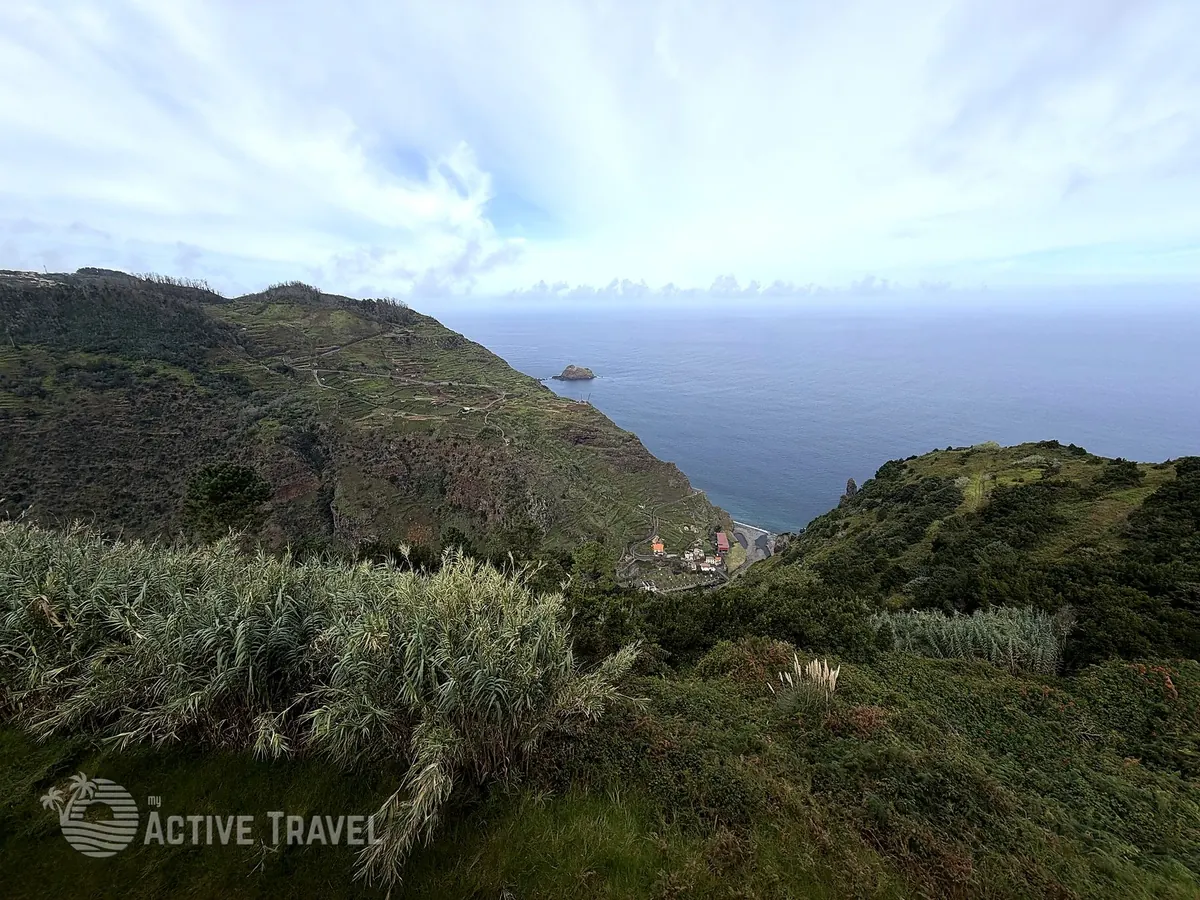
Driving down towards the north coast, the road keeps opening up to huge views over deep, green valleys such as Ribeira da Janela, with terraced slopes falling all the way to the sea. Allow time for more photo stops than planned.
🏊 Porto Moniz: Swimming in Lava Pools
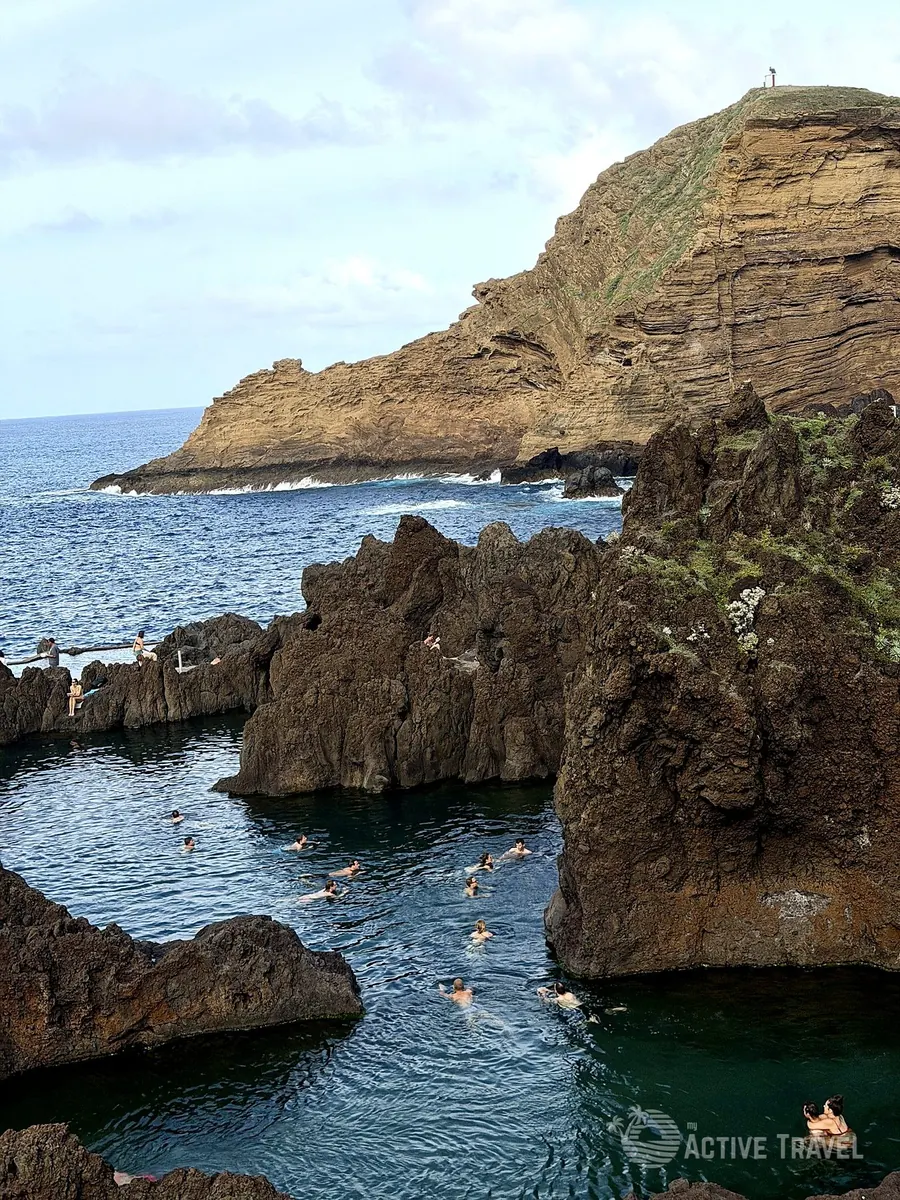
Porto Moniz sits on the north-west tip of the island and is known for its natural swimming pools, carved out of black volcanic rock and filled with seawater by the waves. Floating in calm water while the Atlantic crashes against the rocks a few metres away is a strange and wonderful feeling.
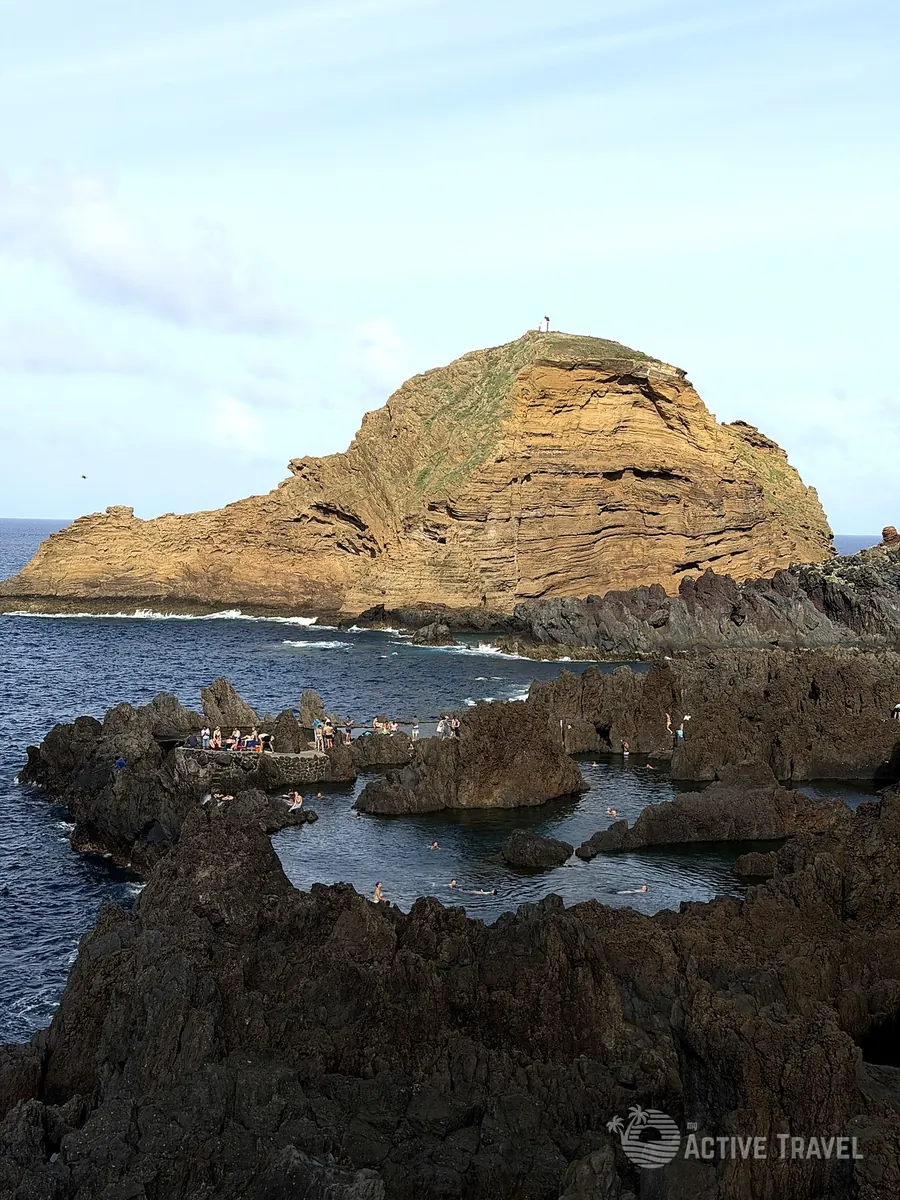
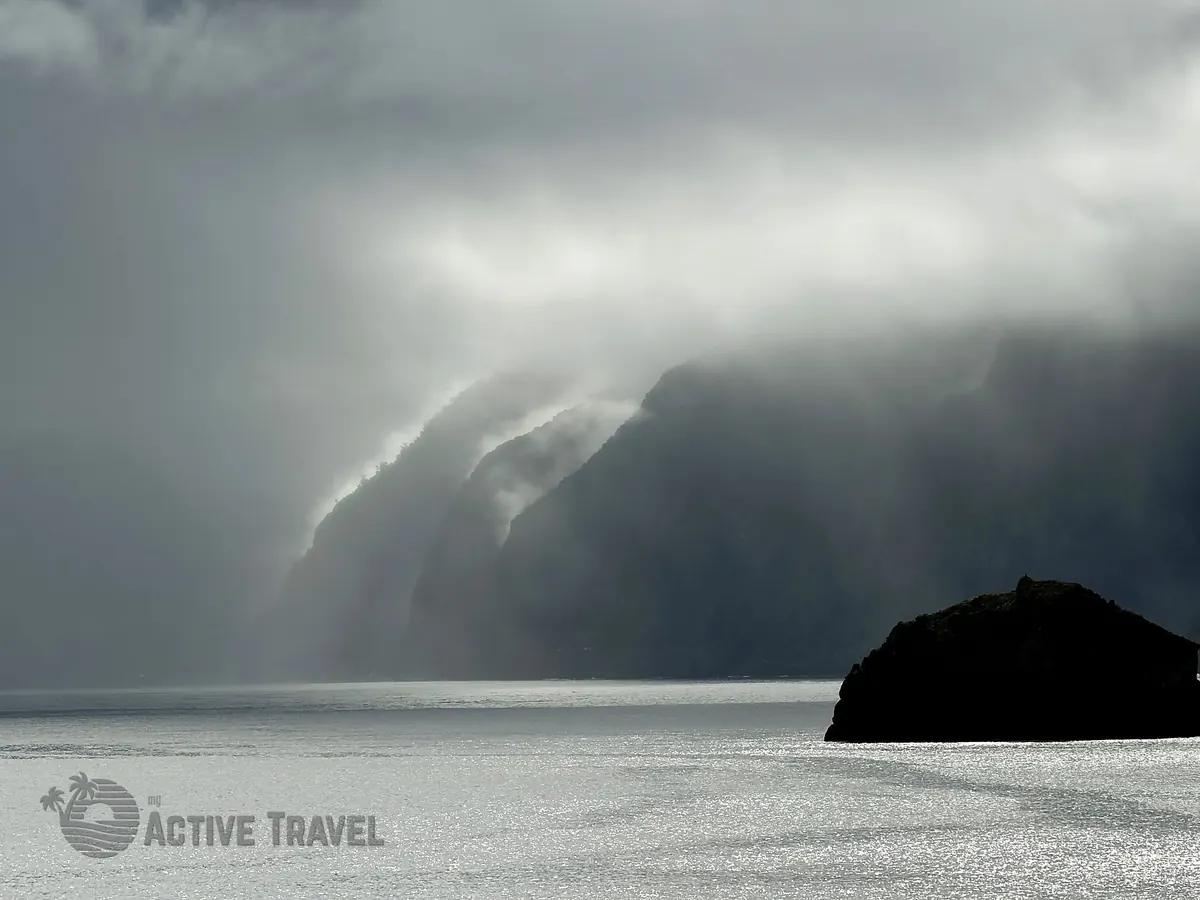
The north coast is wilder and wetter than the south, and that is a big part of its charm. When storm clouds roll in over the cliffs, the light becomes incredibly dramatic.
🥾 Rabaçal: Into the Mist
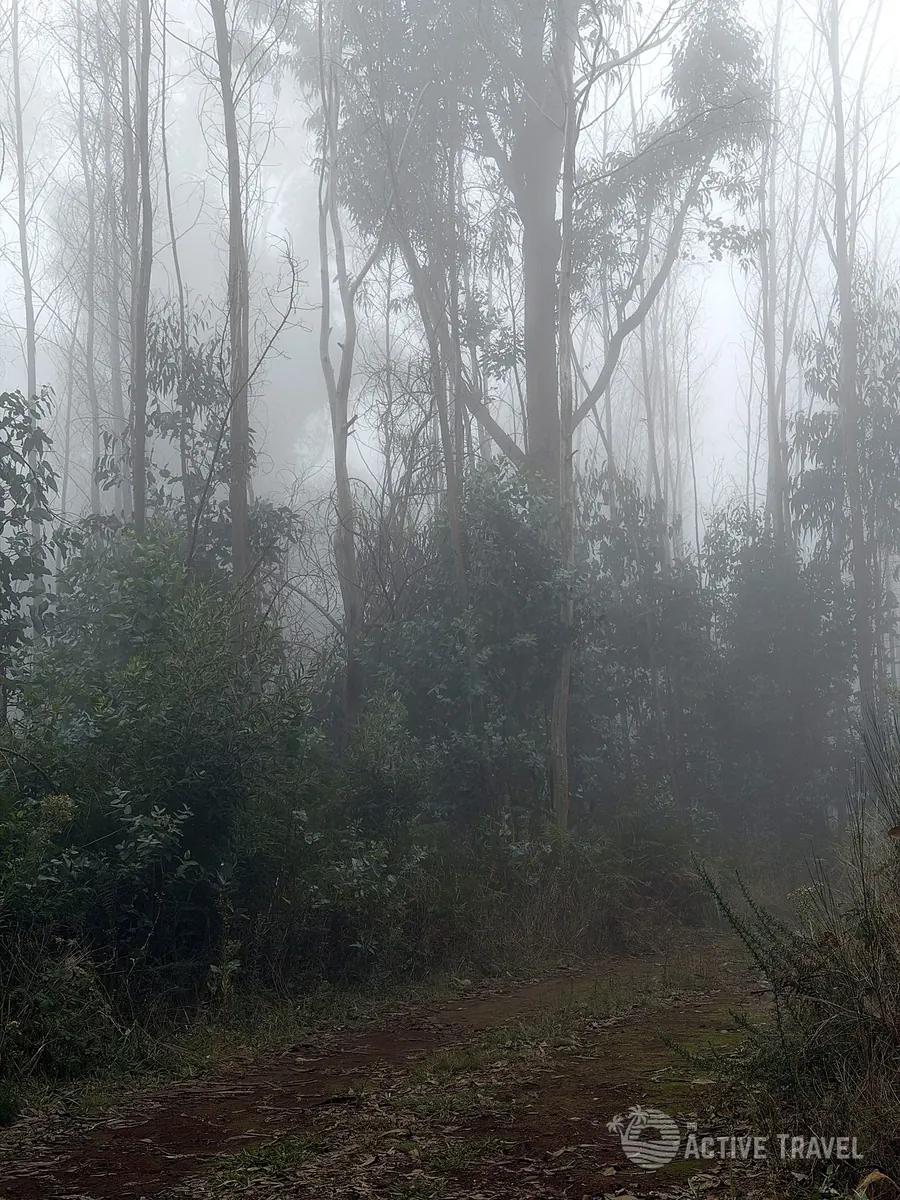
Madeira is famous for its levadas, old irrigation channels with walking paths running alongside them all over the island. Rabaçal is the starting point for some of the most popular levada walks, and in thick mist the forest turns quiet and a little eerie. Go early, before the car parks fill up, and bring a rain jacket and a torch if the route goes through tunnels.
🌆 Funchal: The Island’s Capital
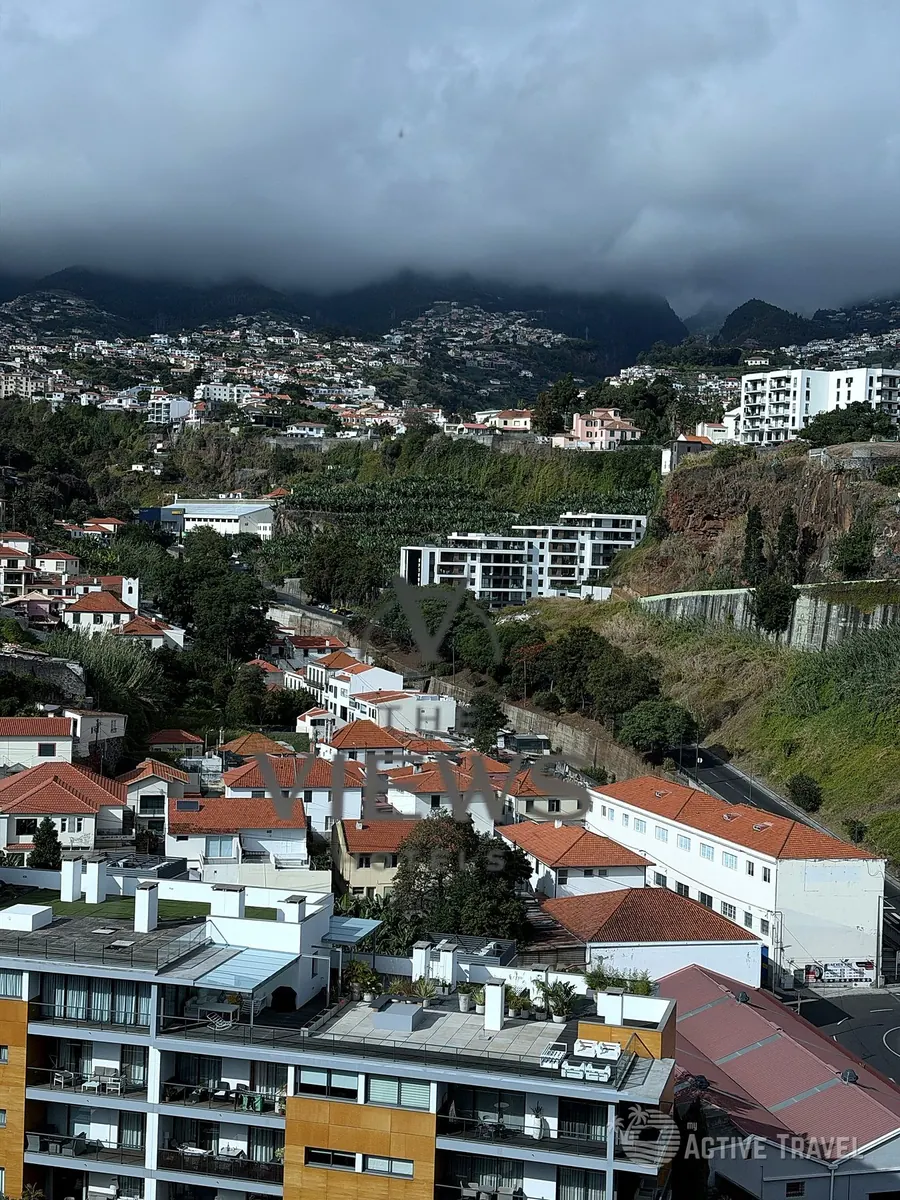
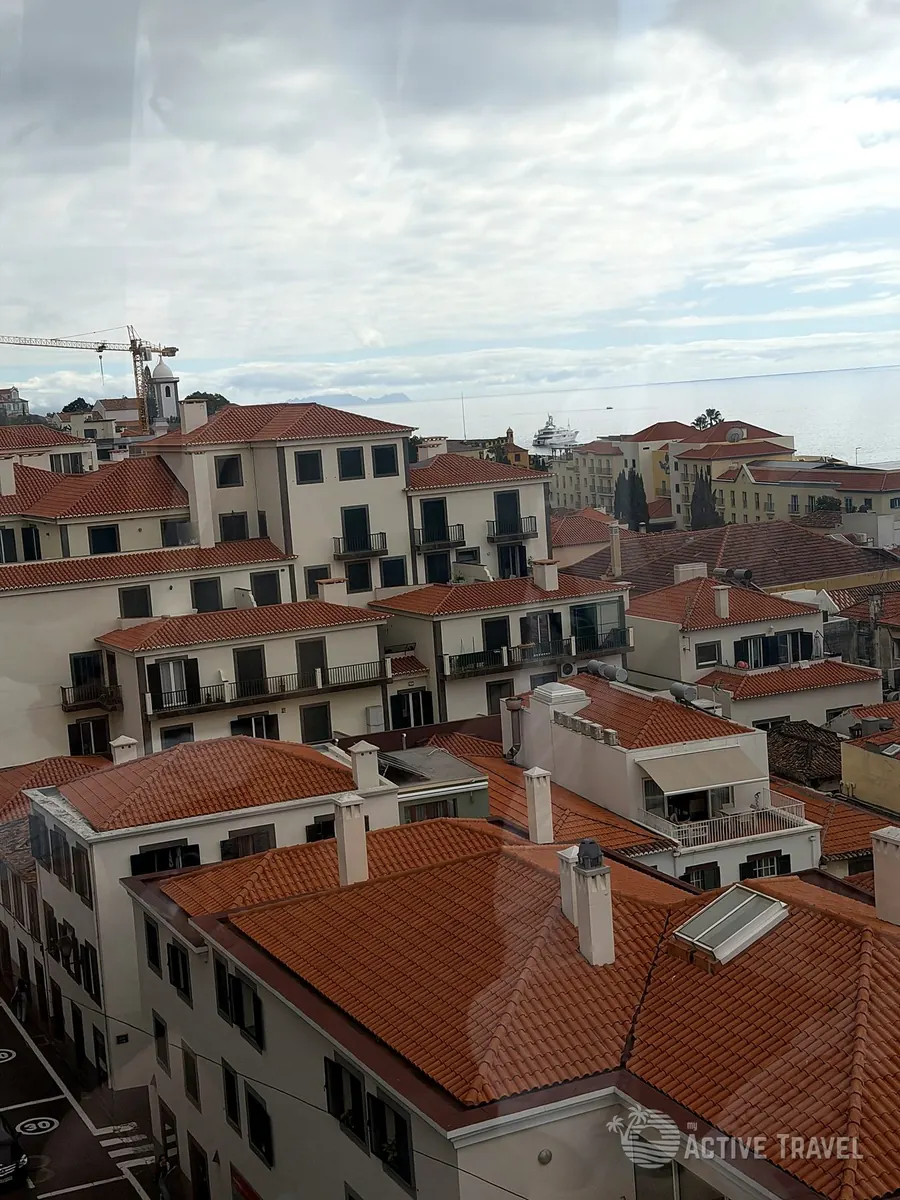
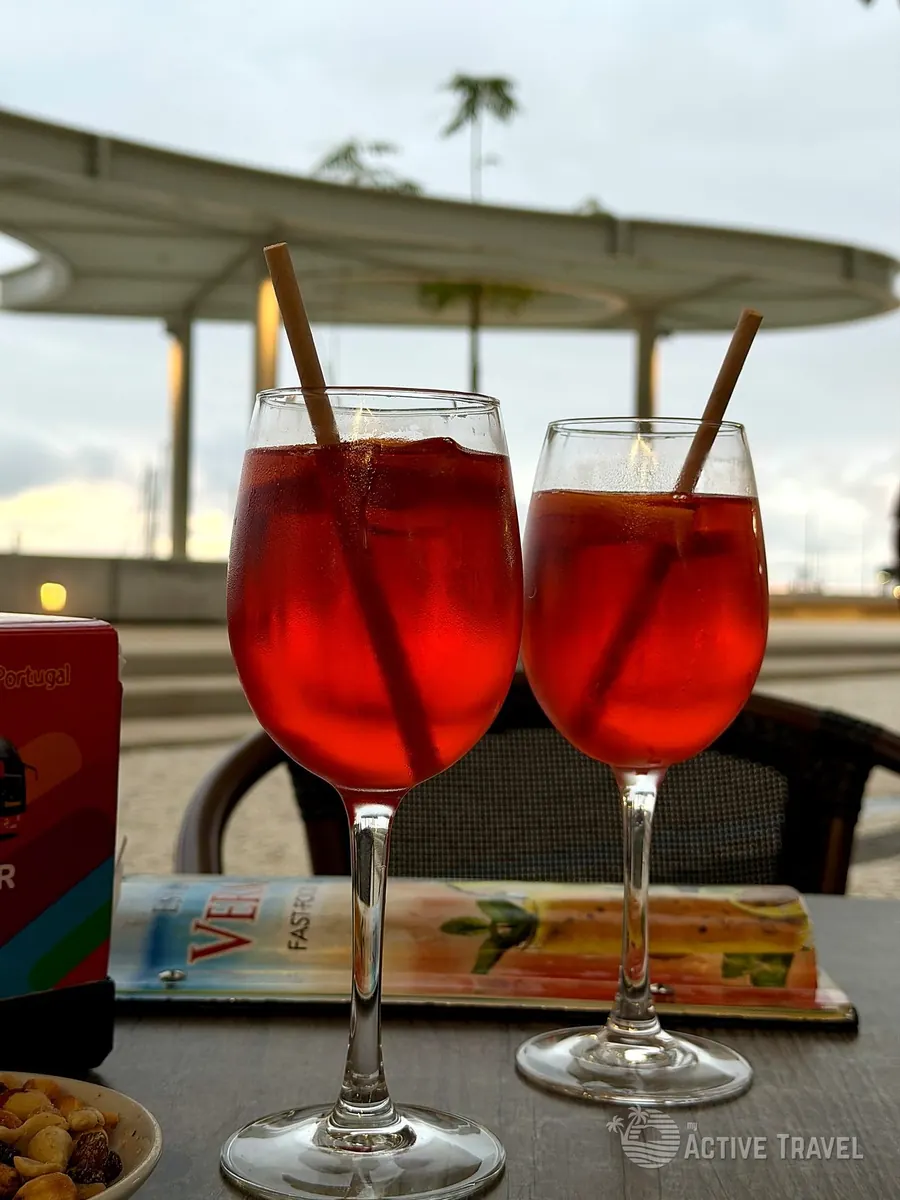
Funchal climbs the hillside like an amphitheatre, so wherever you are there is a view of red roofs, green mountains and the ocean. The old town is made for wandering without much of a plan, and a drink on the seafront at the end of the day is hard to beat.
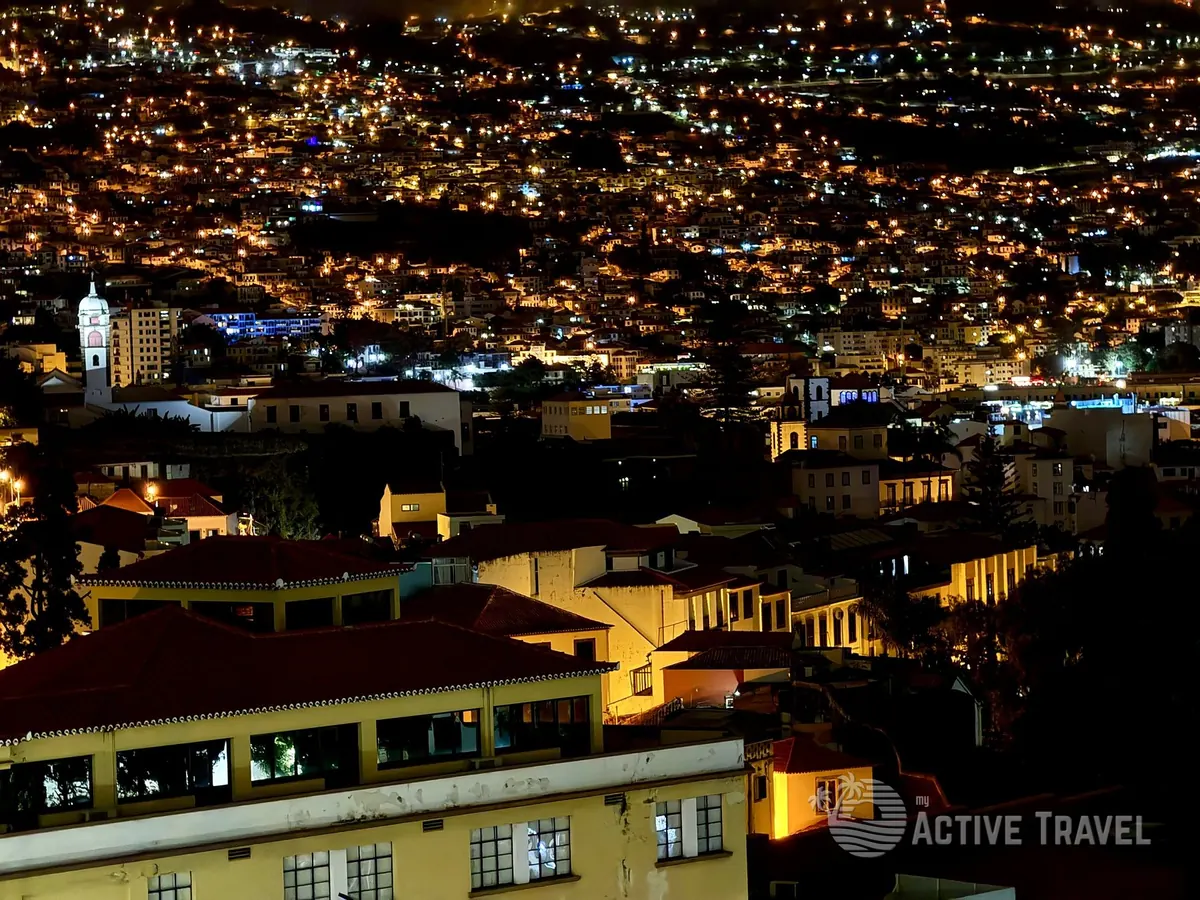
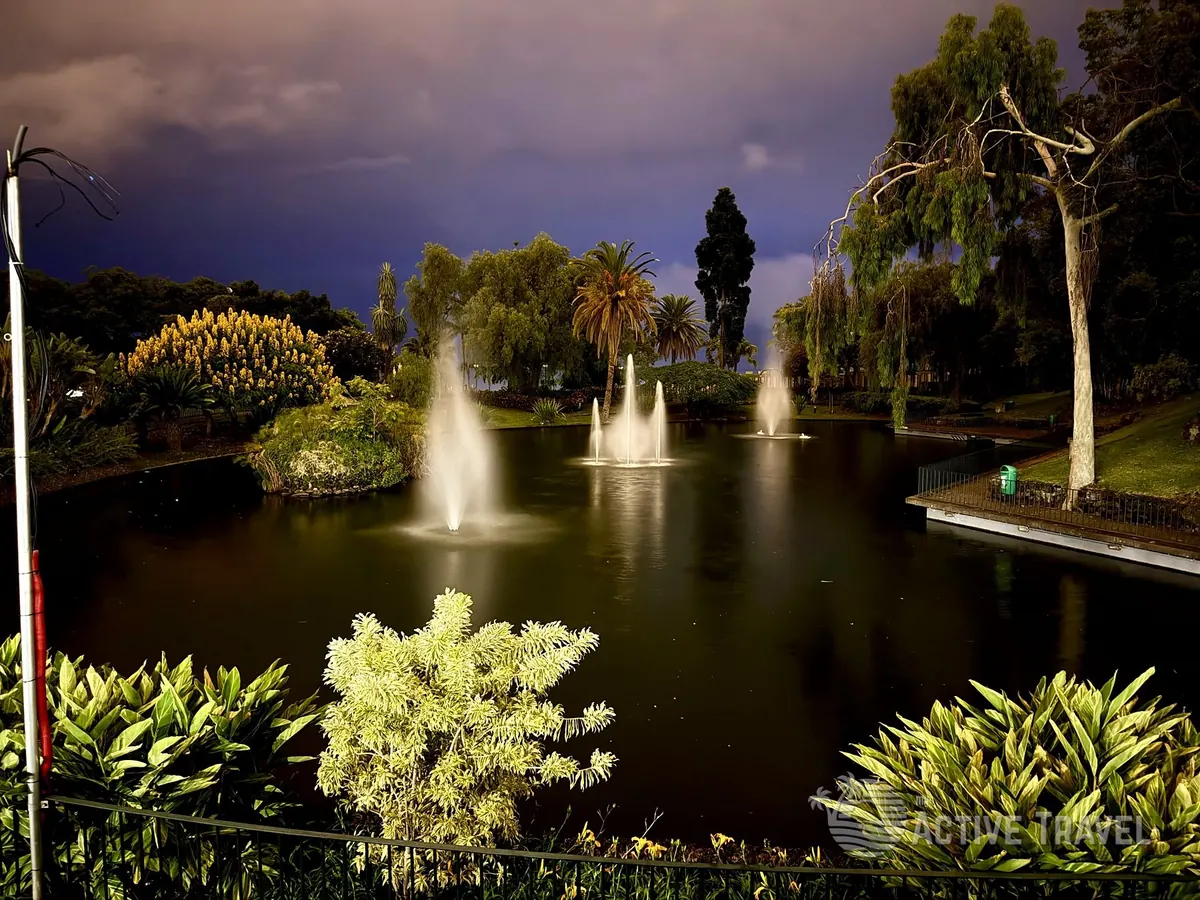
Funchal at night is something else. The lights spread across the whole bay up into the hills, and the parks are beautifully lit. Santa Catarina Park, with its glowing fountains, makes a lovely evening stroll.
🎣 Câmara de Lobos and the Coast West of Funchal
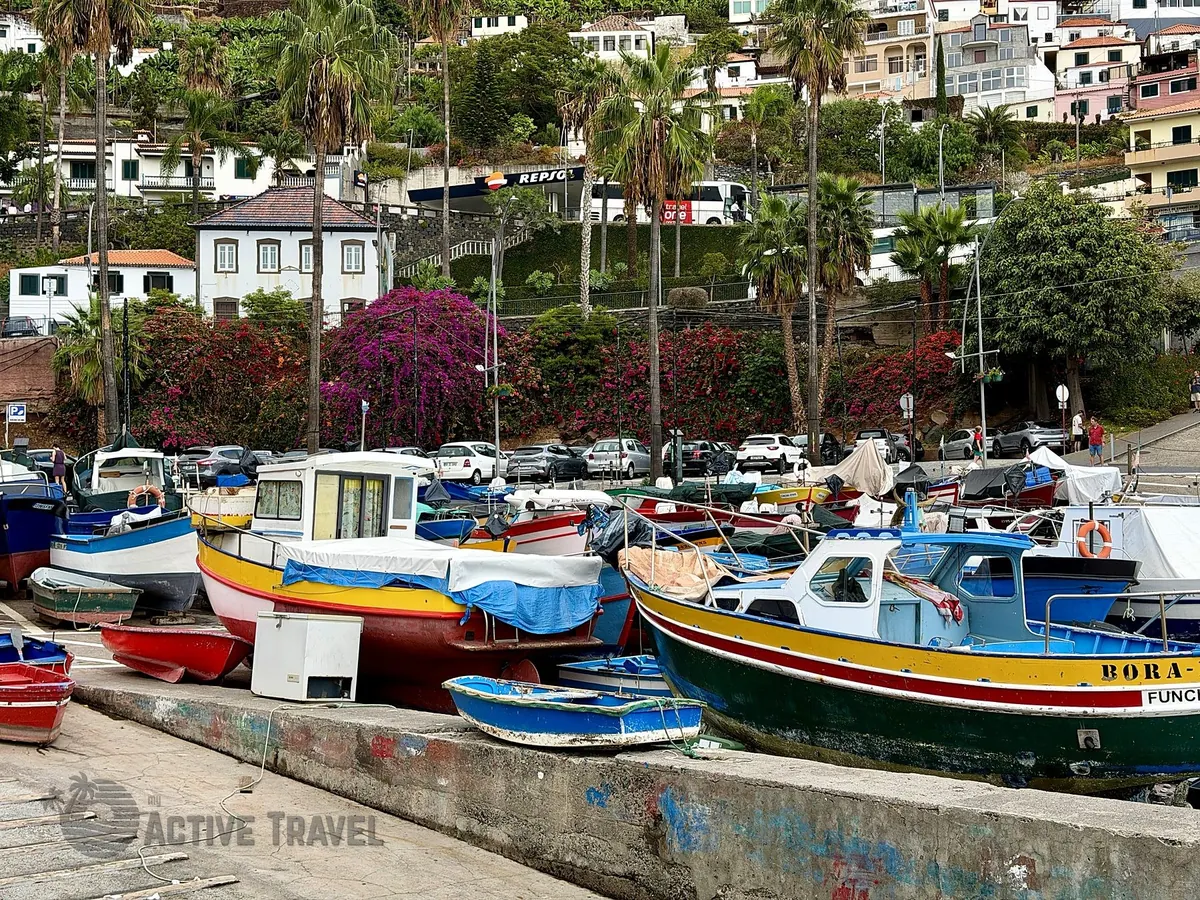
Câmara de Lobos, a few kilometres west of Funchal, is a colourful fishing village. Brightly painted boats line the harbour, and it is easy to see why Winston Churchill came here to paint the bay. It is also the place to try poncha, Madeira’s traditional drink of sugar-cane spirit, honey and fresh lemon, which is stronger than it tastes.
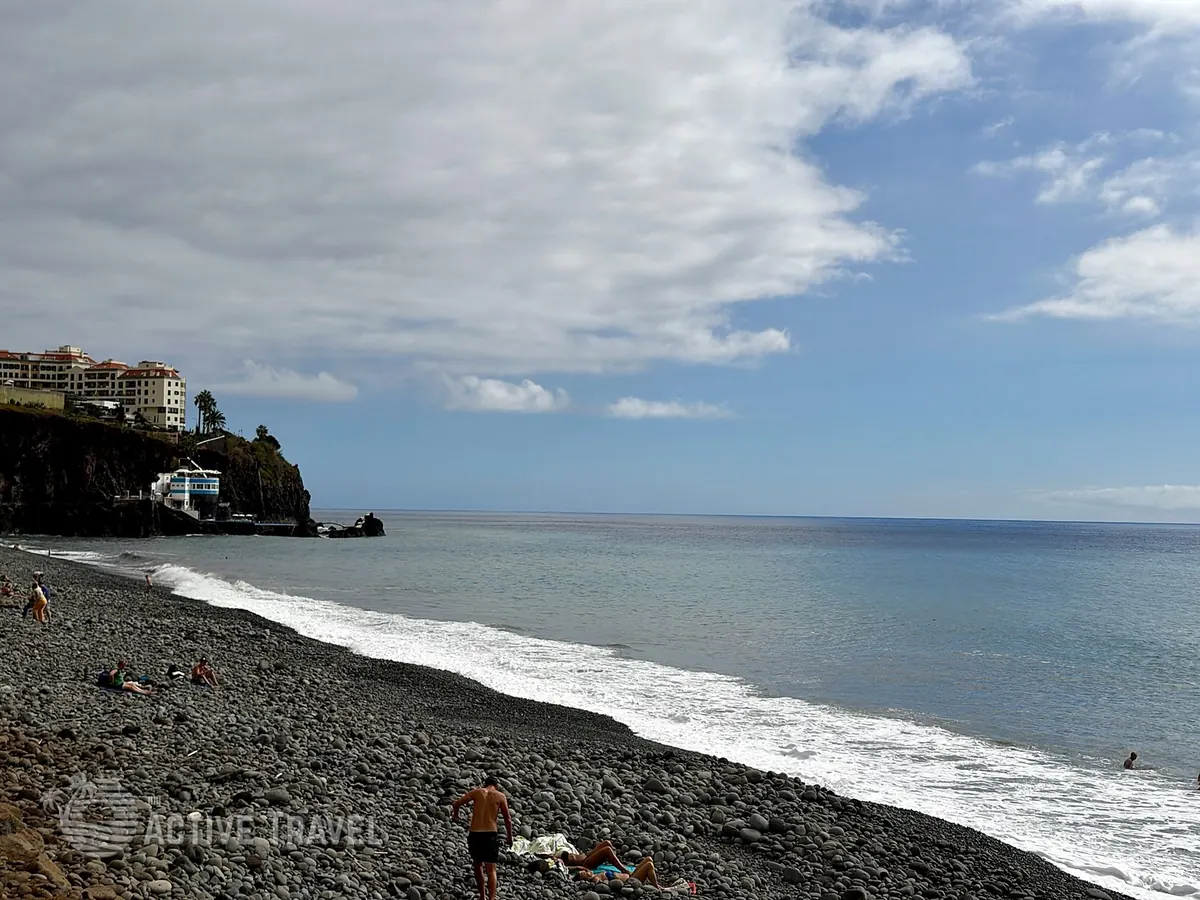
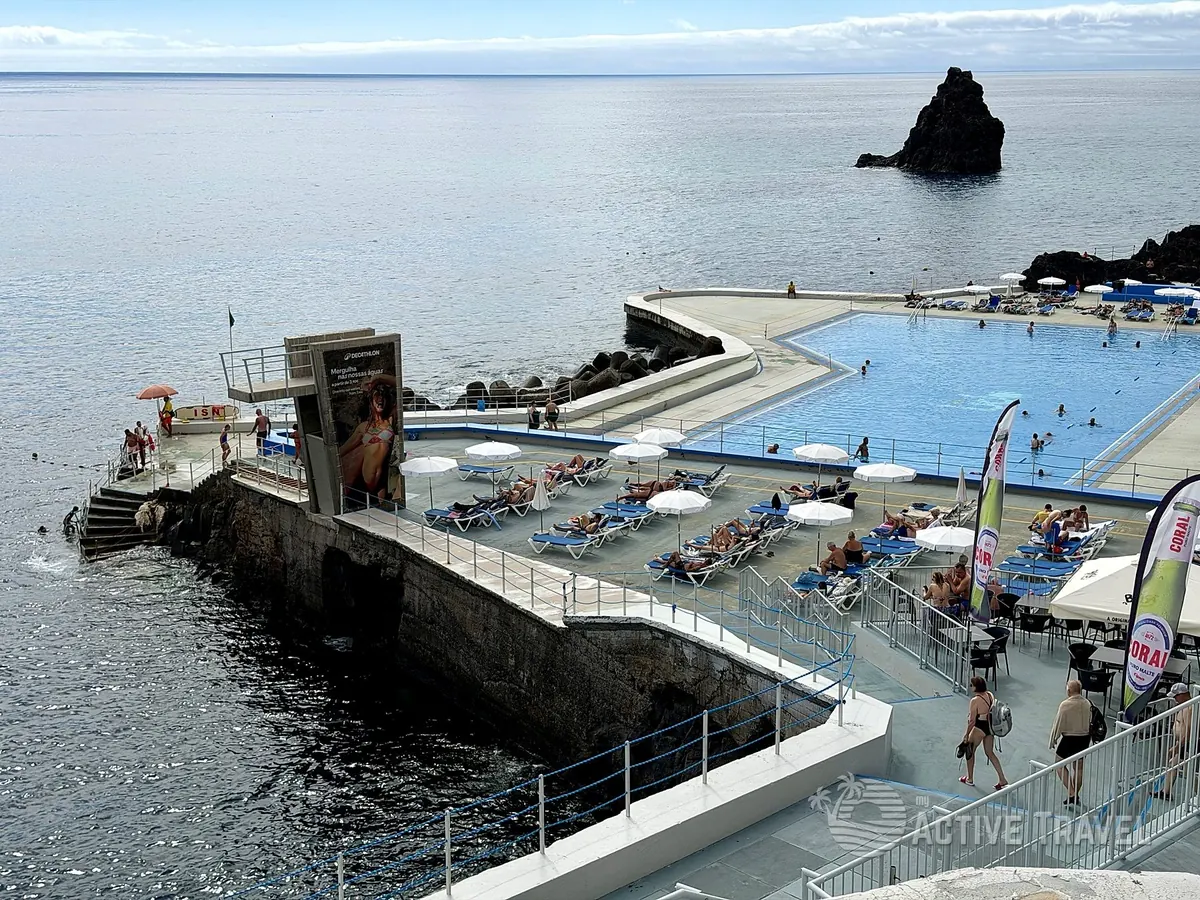
On the way there, the dark pebble beach at Praia Formosa and the sea-water lido pools along the coast are a great way to swim in the ocean when the beach is all stones.
🌺 Monte: Gardens, Flamingos and a Wild Ride Down
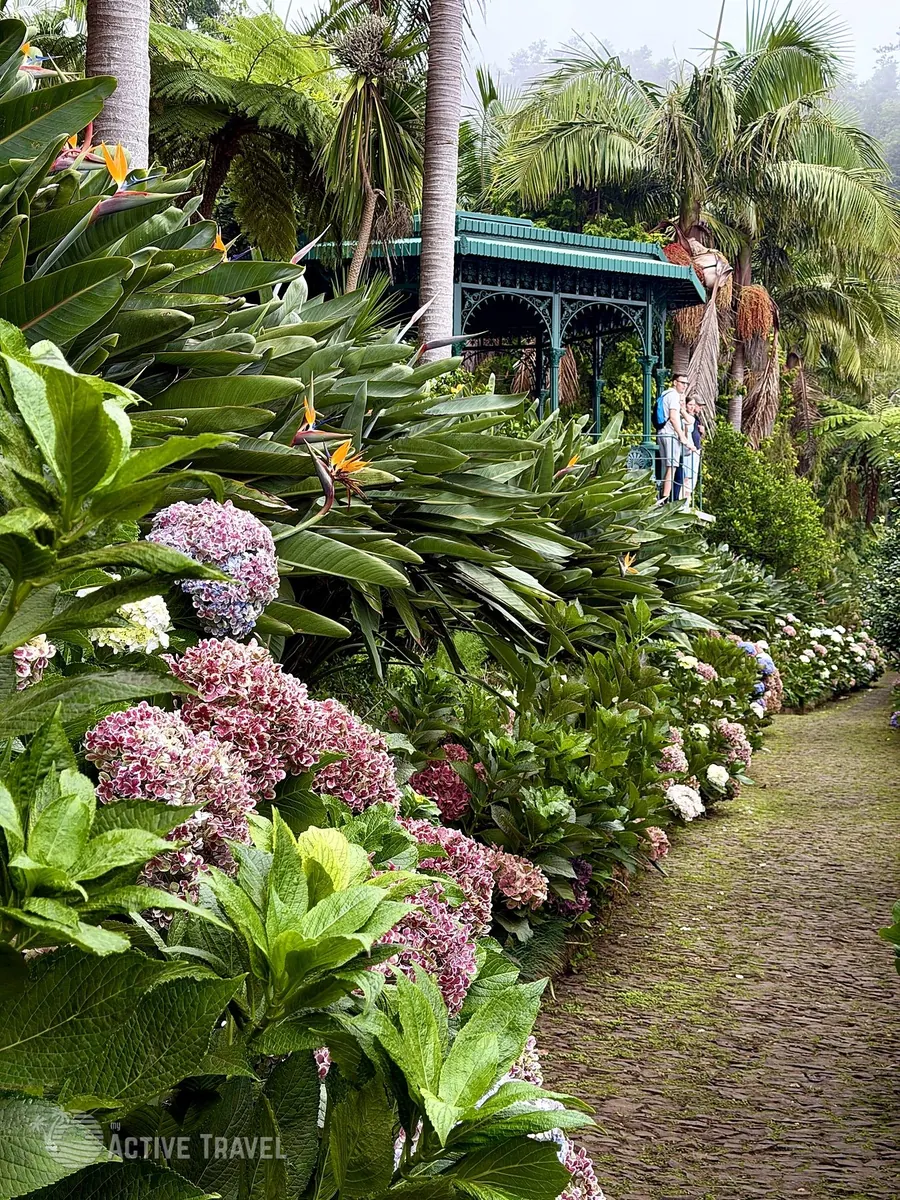
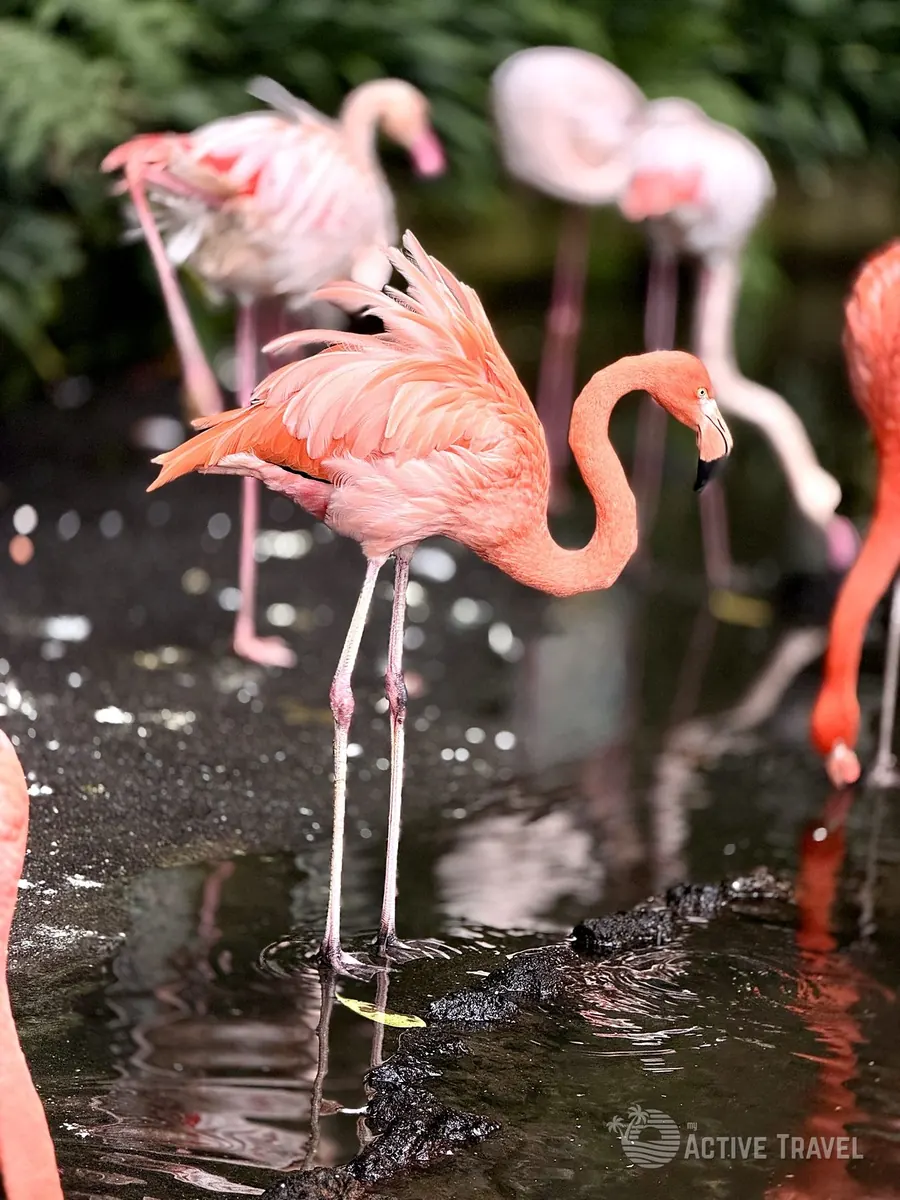
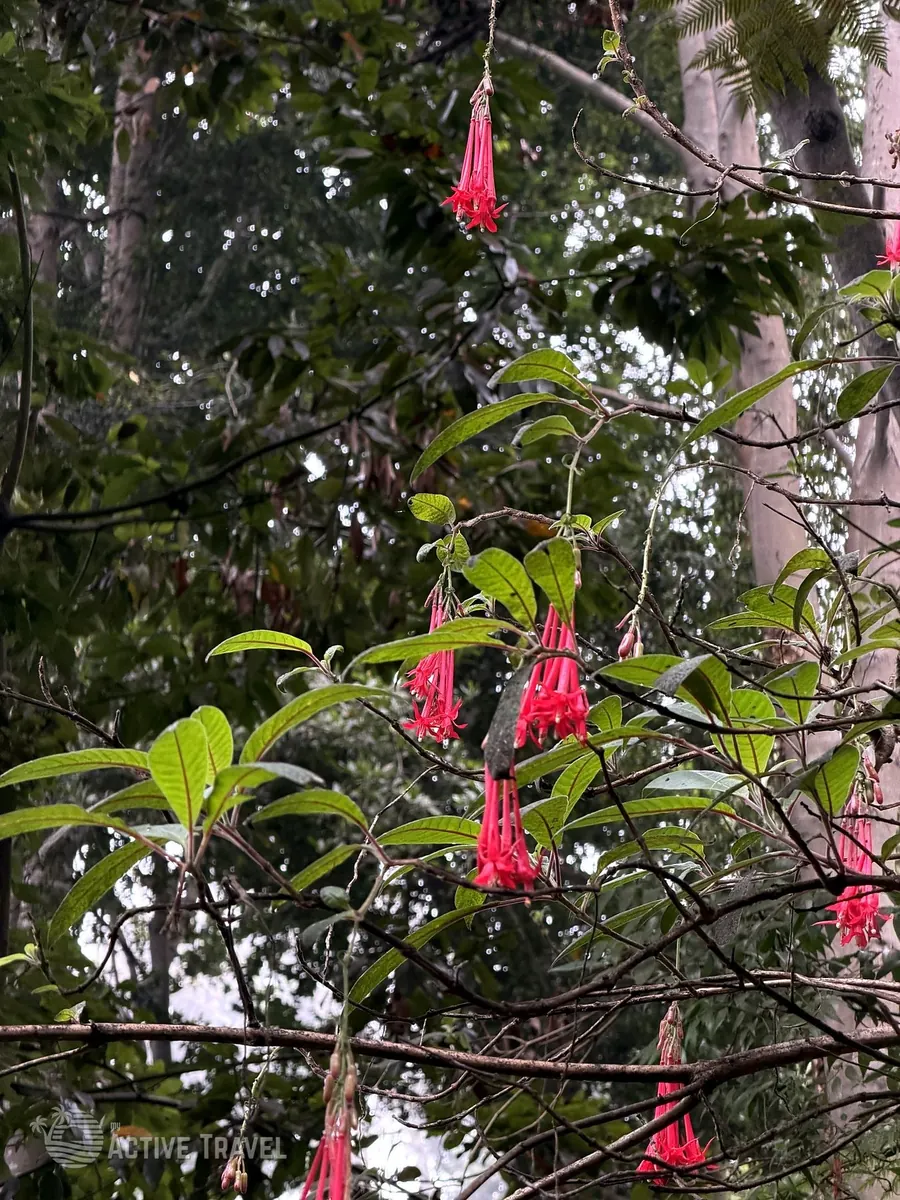
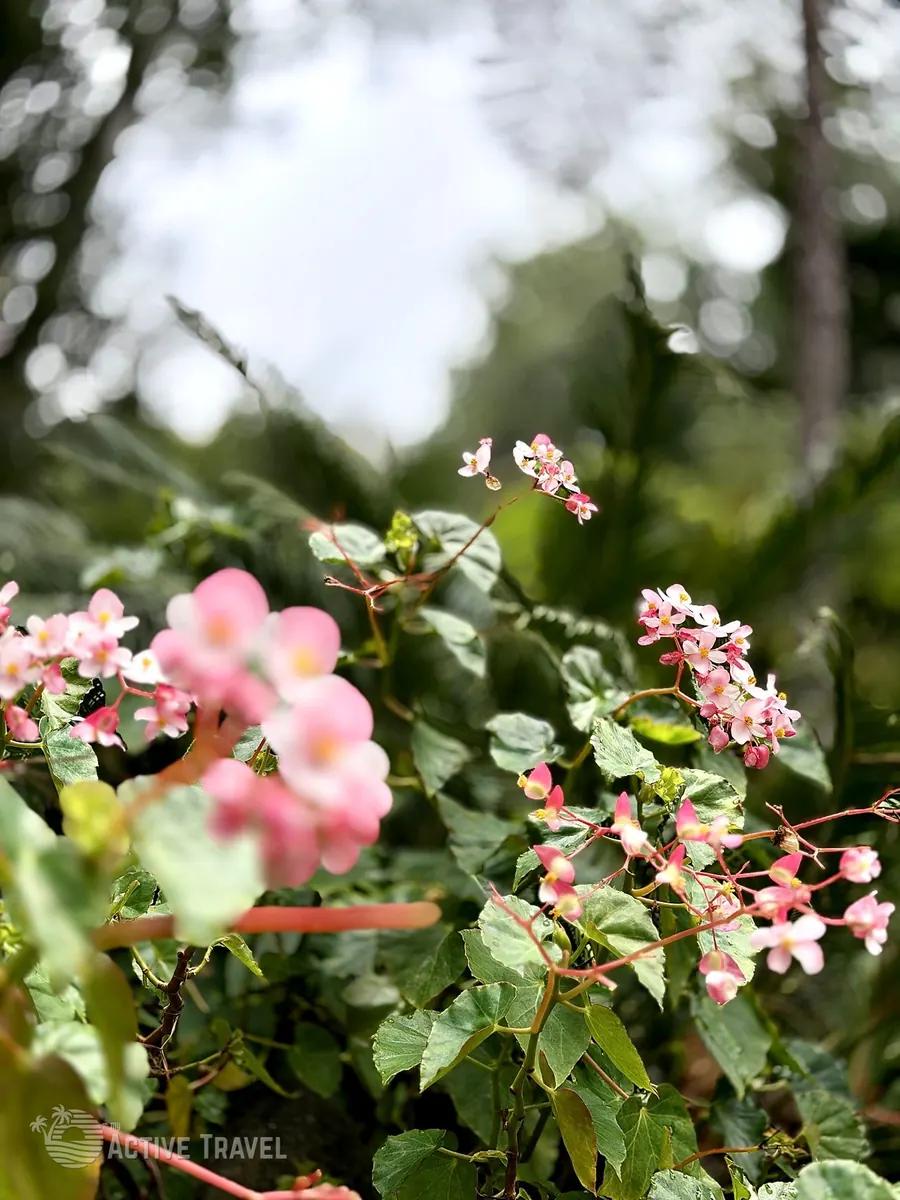
The cable car climbs from Funchal’s seafront to Monte, in the hills above the city. The Monte Palace Tropical Garden is one of the highlights of the island: winding paths, hydrangeas everywhere, exotic plants, ponds and a group of flamingos.
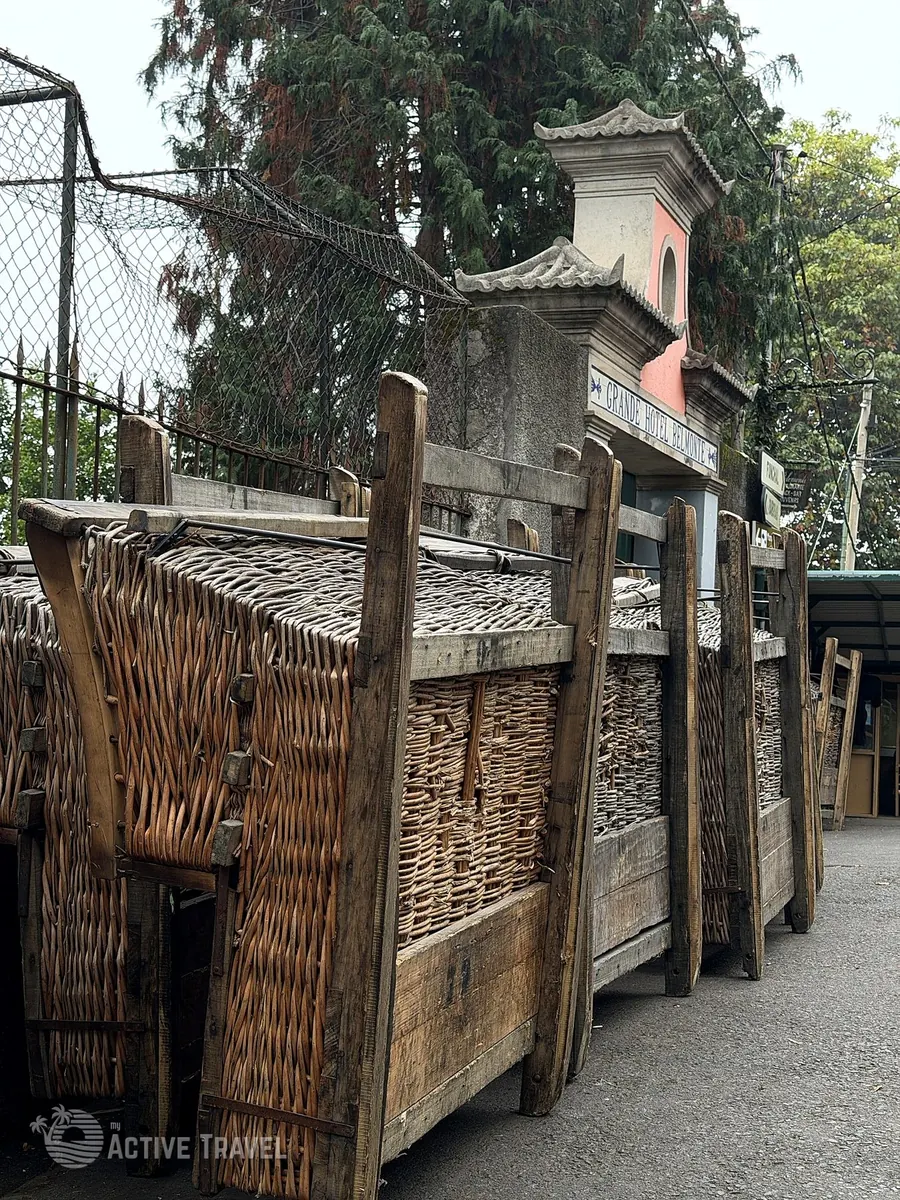
Then there are the famous Monte toboggans: wicker sleds steered by two drivers in white uniforms and straw hats, sliding down the steep streets towards Funchal. It is a short, slightly crazy ride, and that is exactly what makes it so much fun.
🧾 Tips & What to Pack
- Good walking shoes with grip, for levadas, forest trails and Funchal’s steep old streets.
- A rain jacket and layers: it can be sunny, misty and windy within a single day.
- A torch (headlamp) for levada tunnels.
- Swimwear and a towel for the lava pools and lidos.
- Sun protection, even on cloudy days, and a refillable water bottle.
- Travel insurance, and the Prociv Madeira app for alerts.
- Rent a car, but allow extra time on mountain roads.
🍴 Local Highlights & Cuisine
- Poncha: sugar-cane spirit, honey and lemon, the island’s traditional drink.
- Espetada: beef skewers grilled over wood, traditionally on a bay-laurel stick.
- Bolo do caco: round, soft bread served warm with garlic butter.
- Espada: black scabbardfish, often served with banana.
- Madeira wine and honey cake (bolo de mel) are classic souvenirs.
📌 Quick Facts About Madeira
- Madeira is an autonomous region of Portugal in the Atlantic Ocean, roughly 1,000 km south-west of the mainland.
- The capital and largest city is Funchal. The currency is the euro and the language is Portuguese.
- The main island is about 57 km long and 22 km wide. Its highest peak, Pico Ruivo, reaches 1,862 m.
- The Laurisilva laurel forest is a UNESCO World Heritage Site.
- Madeira keeps the same time as the UK (Western European Time).
What I learned on Madeira
- Rent a car, but take the mountain roads slowly. The expressway tunnels make getting around fast, while the mountain roads are narrow, steep and full of hairpin bends.
- Do not trust a single forecast for the whole island. It was misty in the mountains and sunny in Funchal on the same afternoon more than once. If one side is clouded in, head to the other.
- Pack for hiking. Good shoes, a rain jacket and layers. I needed all three on the levadas.
- Split your stay. Our night in Porto Moniz made Fanal, the north coast and Rabaçal much easier to see without long drives back to Funchal.
- Combine it with the Azores if you can. The two islands could not feel more different: the Azores are wilder and greener, Madeira adds a lively capital and a sunnier south coast. Together they made one of my favourite trips.
✈️ Getting There — Flights & Ferries
Airports
- Madeira Airport (Funchal, FNC): the island’s international airport, about 20 km from Funchal. Airport buses and taxis connect it with the city, and the drive takes roughly 20 minutes.
- From mainland Portugal: frequent flights from Lisbon and Porto take under two hours.
- From the UK and Germany: direct flights run from several UK airports and from German cities such as Berlin and Frankfurt. Routes and seasons change, so check the current schedule.
Ferry Connections
- From mainland Portugal: there is no regular passenger ferry, so Madeira is reached by air.
- To Porto Santo: the neighbouring island is reached by a short flight or by the Lobo Marinho ferry, which takes around two and a half hours. Check the current timetable before you plan a day trip.
Getting Around
A rental car is the easiest way to reach the north-west and the mountain trailheads. The expressways and their tunnels make long distances fast, while the mountain roads are narrow, steep and full of hairpin bends, so take them slowly. Funchal itself is easy to explore on foot, and the cable car runs up to Monte.
🧭 Safety — Weather, Wildfires & Trails
Madeira is a safe and welcoming destination, but the mountains and the weather deserve respect.
- Check trail closures before every walk. The forest authority closes levadas and other classified routes after wildfires and during storms, because of the risk of rockfalls, landslides and sudden flooding. Never walk a closed trail.
- Use official sources. The Visit Madeira website lists the status of the classified trails, and the Prociv Madeira app carries civil protection alerts.
- Weather changes quickly. It can be misty in the mountains and sunny in Funchal on the same afternoon. If one side of the island is clouded in, head to the other.
- Ocean swimming. The Atlantic can be powerful. Use the sea-water lidos and the lava pools in Porto Moniz when the waves are high, and follow the warning flags.
- Emergencies. The European emergency number 112 works across Portugal. Travel insurance is recommended.
✨ In Summary
Madeira packs forests, ocean pools, mountain trails, gardens and a lively capital into one compact island. Plan around the weather, check trail alerts, split your stay between the north-west and Funchal, and pack for hiking. It also pairs well with the Azores: São Miguel, Azores: Crater Lakes, Wild Coasts and the Steaming Valley of Furnas.
Dreaming of Madeira, or a combined Azores and Madeira trip? Get in touch and we will help you plan it.